Beaver Facts for Kids: How They Build Dams and Survive Winter
Category: Mammals | Habitat: Wetland
Beavers are busy, hardworking mammals best known for building dams. With their strong teeth and powerful tails, they shape ponds and streams to create safe habitats. Even in winter, when many animals slow down, beavers stay active beneath the ice. Let’s take a closer look at these fascinating animals with more
beaver facts for kids.
5 Short Facts About Beavers
- Baby beavers are called kits
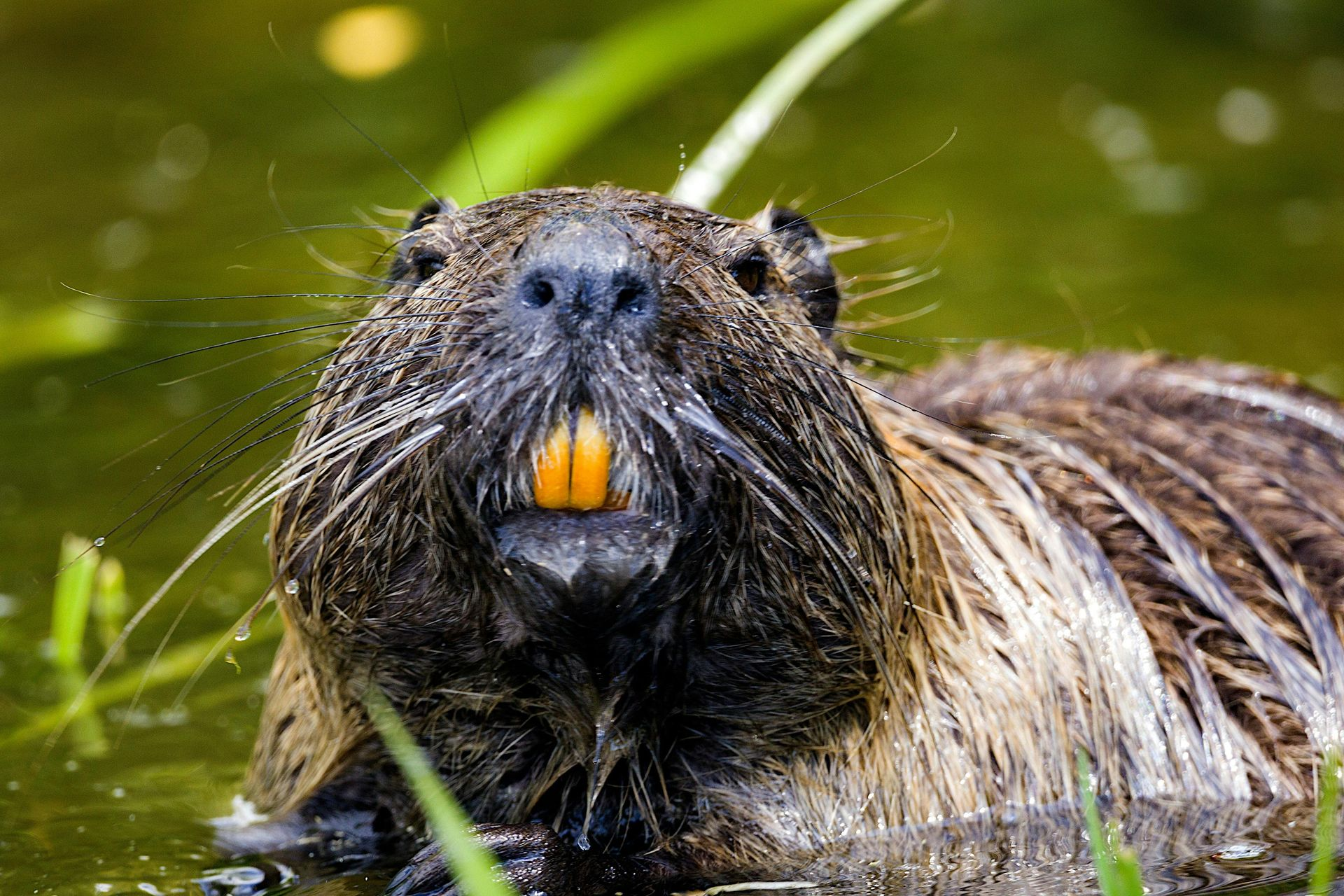
- Beavers have orange teeth that never stop growing
- Beavers use their flat tails to swim, balance, and warn others of danger
- Beavers can hold their breath for up to 15 minutes underwater
- Beavers do not hibernate and stay active all winter
What is a Beaver?

Beavers are large rodents with wide and flat tails, strong orange teeth, and an impressive talent for building and staying very busy. They do not hibernate and stay active even in the very cold winter months.
Where do Beavers Live?
In the fall, beavers use their strong teeth to cut branches from trees to build their homes and collect food. They use these branches mixed with mud to build large, dome-shaped habitations called lodges. Their homes are warm and dry, even when the air outside is freezing.
They push a large number of sticks into the water near their lodge, creating an underwater food pile. When winter comes, and the pond freezes over, the beavers don’t need to go onto land at all. They swim from their lodge to the food pile beneath the ice and pull out branches to eat.
What Do Beavers Eat?
Beavers eat tree leaves, bark, and the cambium, the soft layer just under the bark of the tree. Their favorite types of trees include willow, aspen, birch, cottonwood, and poplar. They also like water plants, such as lilies and pondweed, as well as grasses and reeds.
How Do Beavers Survive Winter?
Even though the pond looks quiet on top, there’s a lot happening below the ice. Over time, beavers create and memorize familiar underwater paths as they swim between their lodge and stored food. Beavers are mammals, so they can’t breathe underwater—instead, they hold their breath while swimming and breathe air inside their lodge, which has a dry, air-filled space above the water. The frozen ice above helps keep the water calm and safe, protecting beavers from predators and cold winter winds.
Life as a Baby Beaver

Baby beavers are called kits, and they’re born in the spring inside the safety of the beaver lodge. Kits are surprisingly well prepared for life in the water—they’re born with fur, open eyes, and even tiny teeth! At just a few days old, baby beavers can swim, but they stay close to their parents for safety. Both the mother and father help care for the kits, and older siblings often help too.
Kits drink their mother’s milk at first, but soon begin nibbling on soft plants and bark, just like the adults. Baby beavers usually stay with their family for about two years, learning how to build dams, gather food, and survive on their own. A beaver family is called a colony, and everyone works together—even the babies learn by watching!
Beavers in Your Backyard

You might be thinking: Beavers don’t live in my backyard. And that’s often true—but sometimes, they’re closer than you think. If you live near woods, creeks or streams, ponds or wetlands, or even drainage areas or retention ponds, beavers might live nearby, quietly shaping the land while we go about our day.
Backyard nature isn’t always about what we see. Sometimes it’s about noticing what’s been changed, what’s been chewed, or what’s moving when no one’s watching.
Winter is a great time to look closer and ask:
- Who passed through here?
- Who built something I didn’t notice before?
Even if beavers never visit your neighborhood, learning about them helps us see that winter isn’t empty—it’s just quieter. And sometimes, the most interesting animals are the ones working just out of sight.
How to Find a Beaver Habitat in Winter
You’re more likely to notice signs of beavers than the animals themselves.
Look for clues that tell a story:
- Tree stumps chewed into the shape of a pencil
- Chewed branches near water
- Small stick dams holding back streams
- Open patches of water near a frozen pond
Who are their Neighbors?
Beavers share their habitats with other water-loving animals, such as
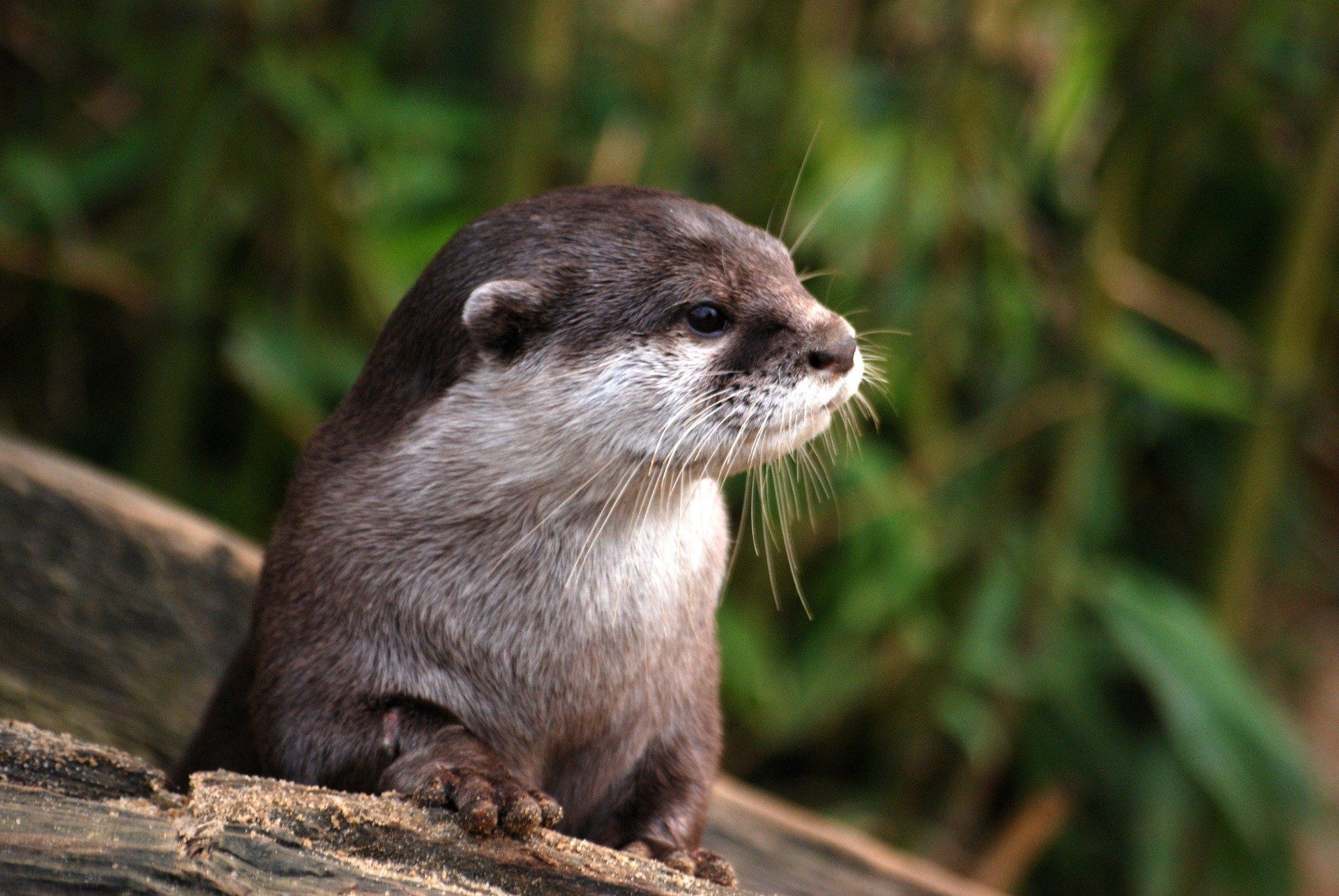
river otters, which are excellent swimmers, and
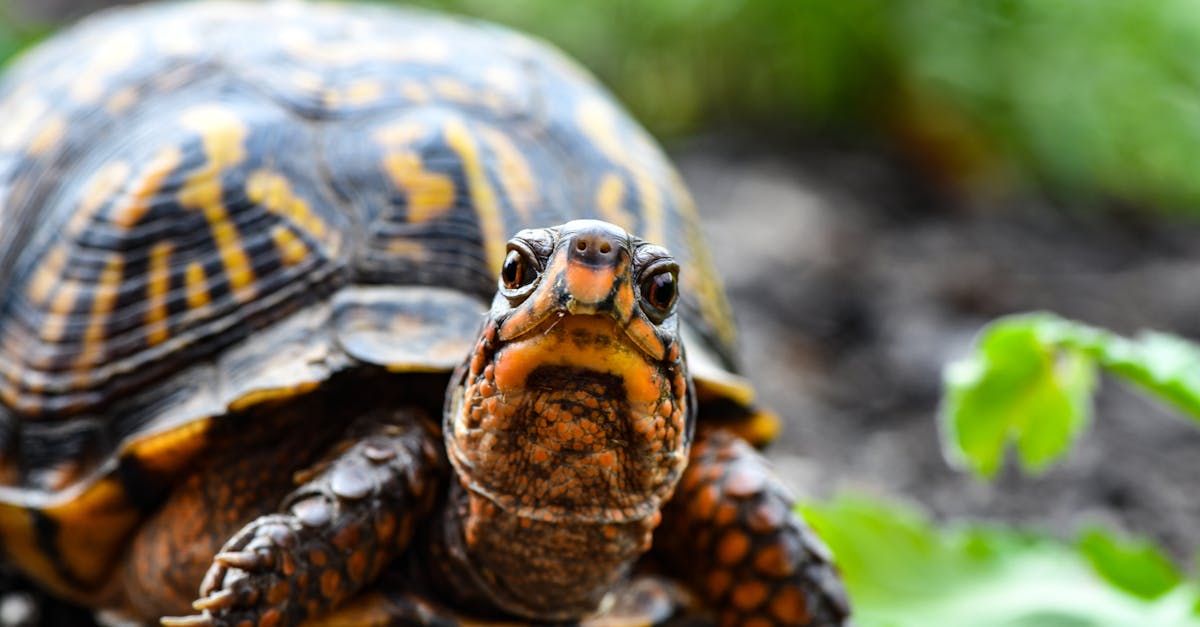
turtles, which spend much of their time near ponds and streams. You may also spot
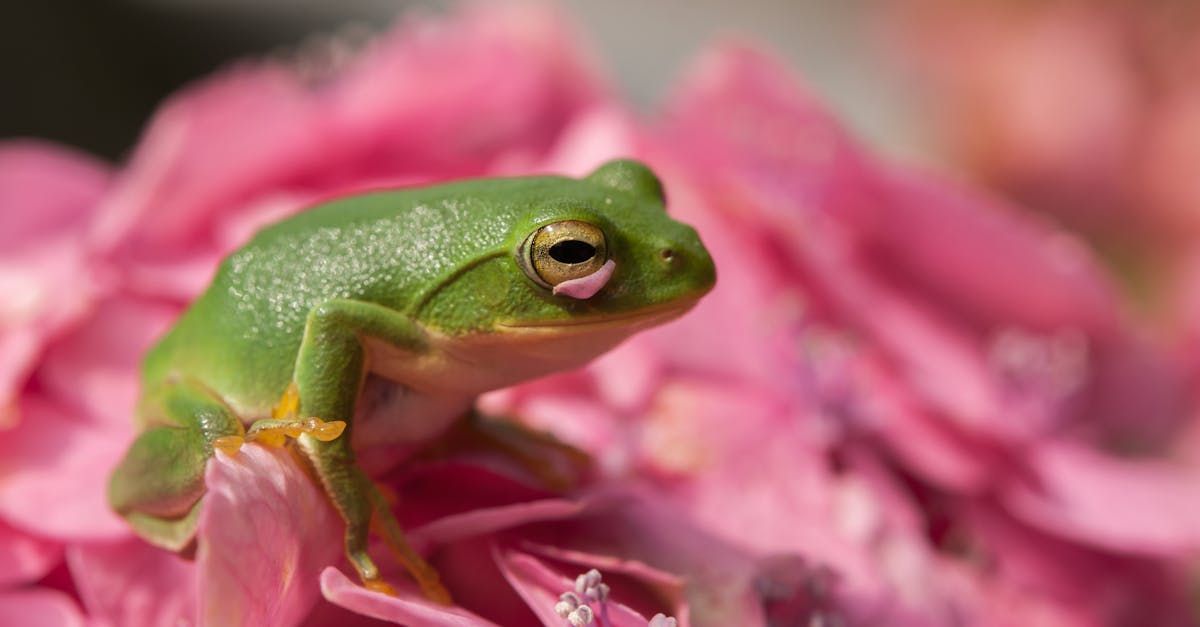
frogs and toads nearby, along with
salamandershiding in damp places.
Beaver Themed Family Activities (Ages 3+)


Please share!
Explore more animals in our Backyard Animals Facts for Kids collection