Carolina Wren: Carolina Wrens keep the same partner for life. They are found in the southeastern United States, extending into Mexico and Central America. They are commonly found in woodlands, suburban areas, and parks. Their loud, clear song is a distinct feature of this type of wren.
Wren Facts for Kids (Tiny but Mighty Birds)
Renée DeVincent • June 15, 2024
Birds
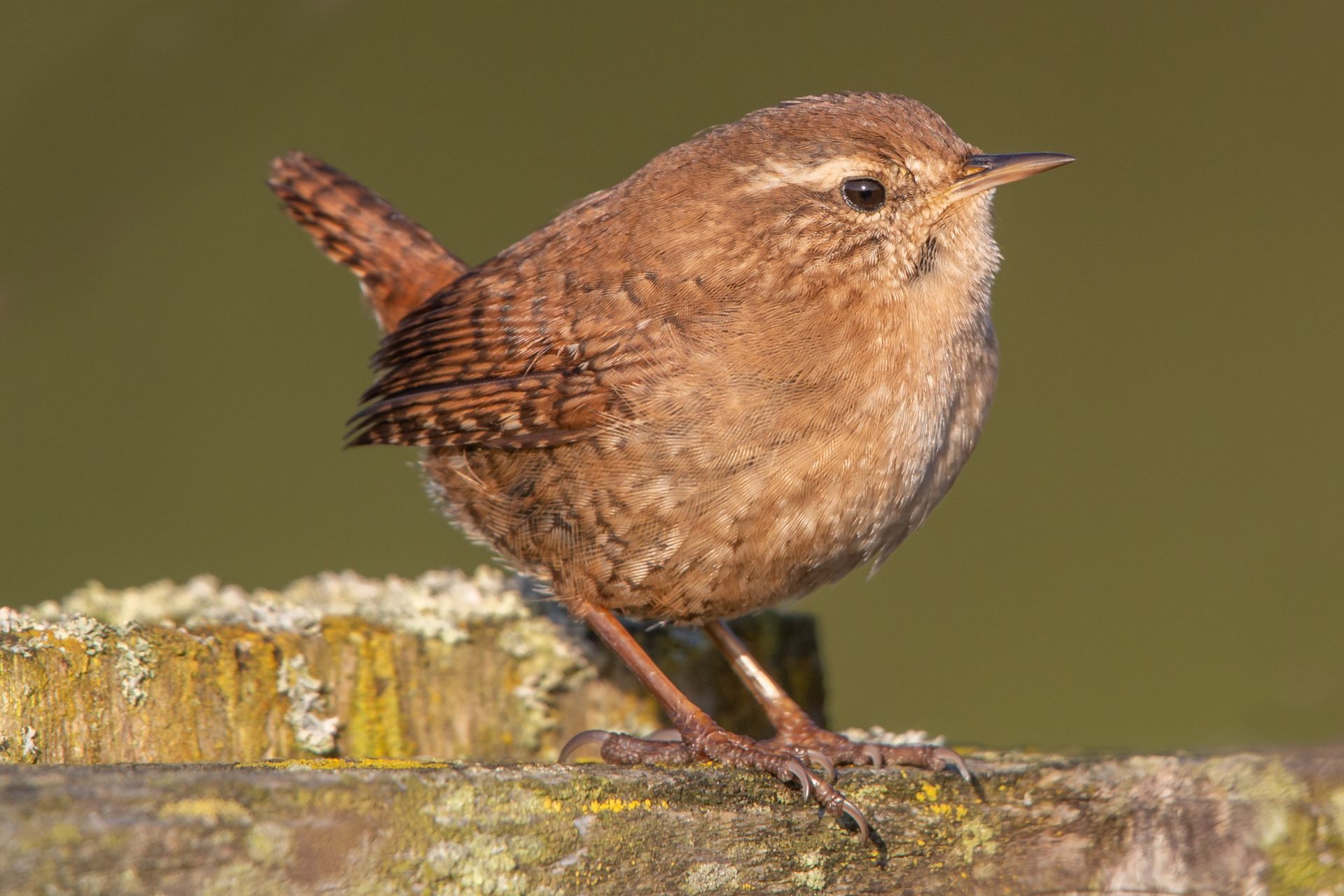
Let me introduce my absolute favorite bird, the Wren. These tiny bundles of energy have often visited my backyard, but last year, I had the pleasure of witnessing a pair and their babies. It was a summer highlight I will not forget. I hope you enjoy learning about these unique little birds. To start, here are some fun wren facts for kids!
Short Facts About the Wren
- A Carolina Wren can sing up to 3,000 times a day.
- Male wrens build several nests, and the female picks her favorite for laying eggs.
- A pair of Carolina wrens will stay together for life. But other types may not.
- House wrens love sticks. A single nest can have around 500.
- Wrens are resourceful nesters and will use anything from old shoes to empty cans as their homes.
Meet the Wren
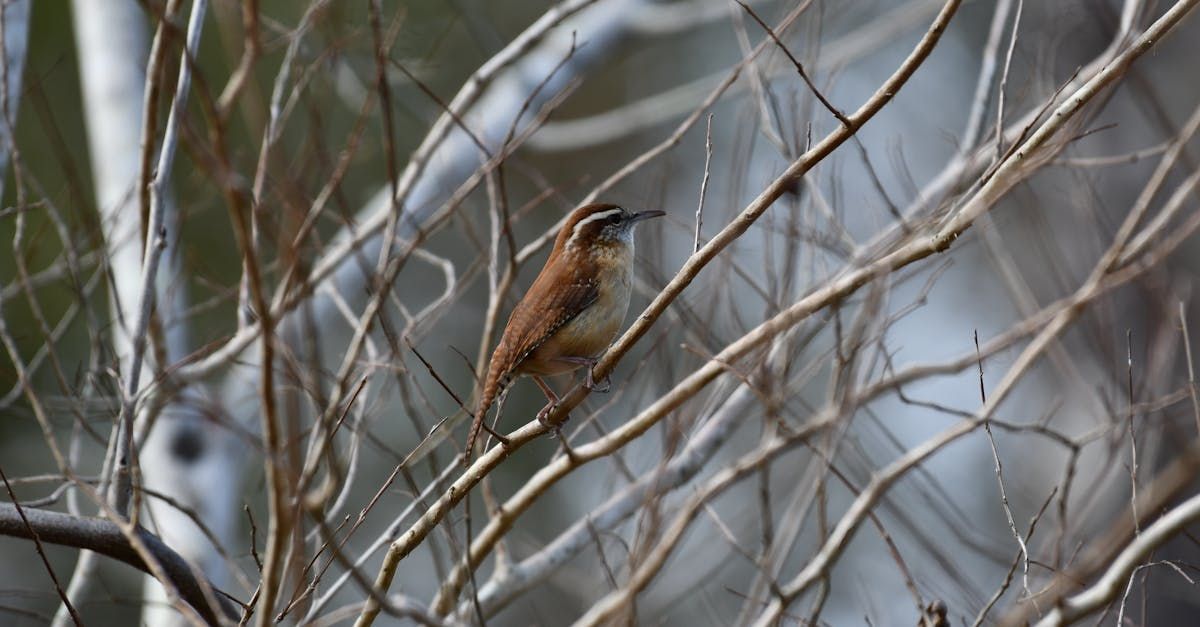
Wrens might be tiny and drab-looking, but they are big on personality. Their songs are loud, cheerful, easy to identify, and their nonstop activity is fun to watch. They seem fearless, coming into outdoor living spaces, flying and hopping around, looking for food and places to nest. Their choice of nesting sites can be entertaining and creative.
With over 80 species worldwide, there is a good chance you have a type of Wren visiting your outdoor living space. These little birds are typically brown with a short tail, often held toward the sky, and have a slightly curved beak perfect for hunting insects. In some parts of the world, the male birds are more colorful, sporting bright blue feathers.
Where do Wrens Live?
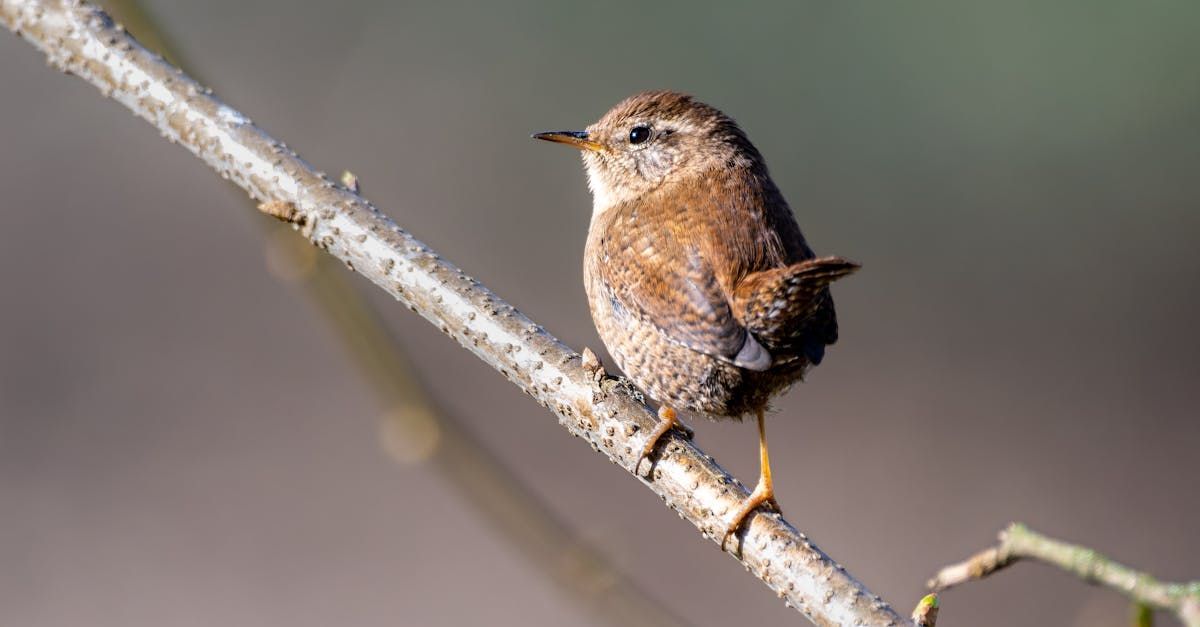
Wrens are incredibly adaptable birds, thriving in a variety of habitats across the world. They can be found in forests, grasslands, wetlands, and urban areas. These birds prefer environments with plenty of shrubs and trees, which provide ample nesting sites and food sources. Known for their resourcefulness, wrens often use human-made structures like birdhouses, sheds, and even old shoes for nesting. They build dome-shaped nests using a variety of materials, including twigs, leaves, feathers, and moss. The entrance is typically a small hole near the base, offering protection against predators.
Six Common Wrens
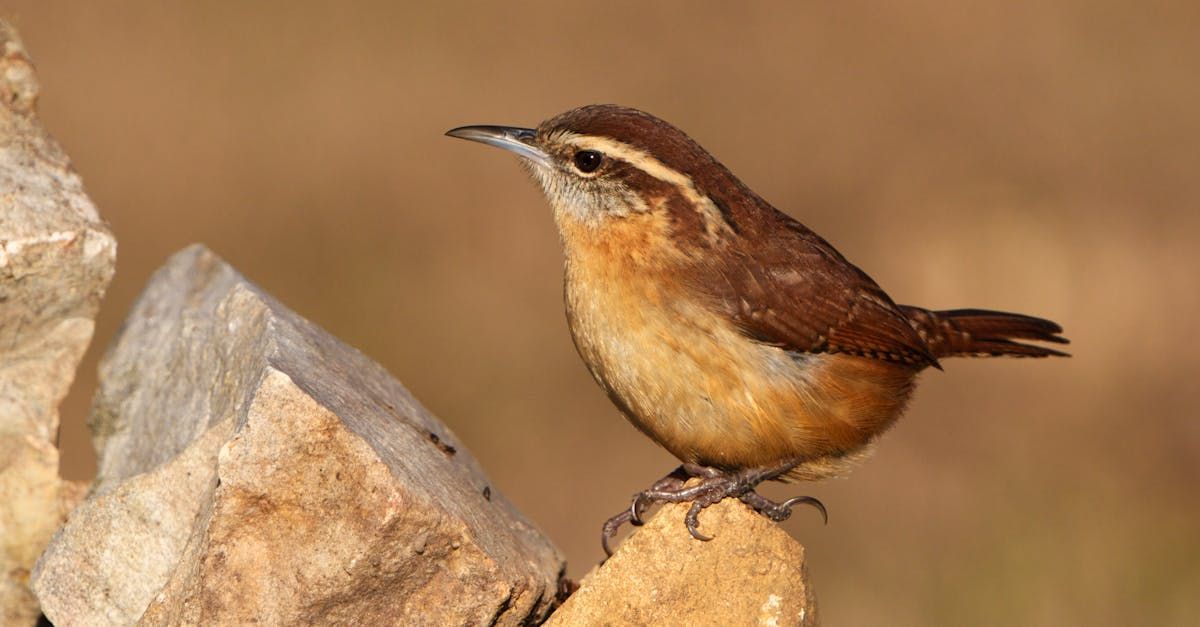
photo by pexels
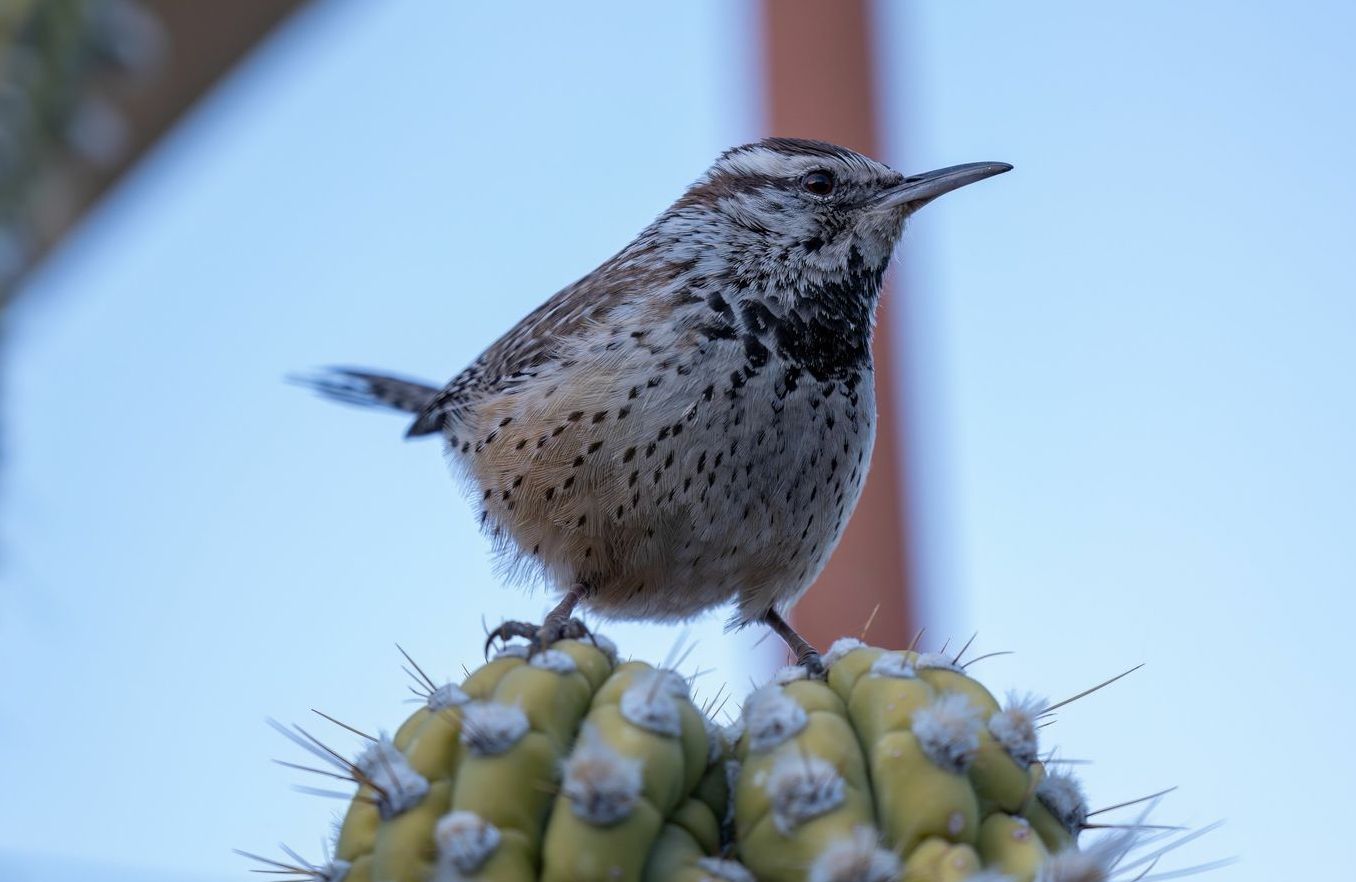
Cactus Wren: The Cactus Wren is found in the southwestern United States and northern Mexico. It has adapted to areas with little or no rain, such as deserts and scrublands, and often nests in cacti.
photo by Wirestock - stock.adobe.com
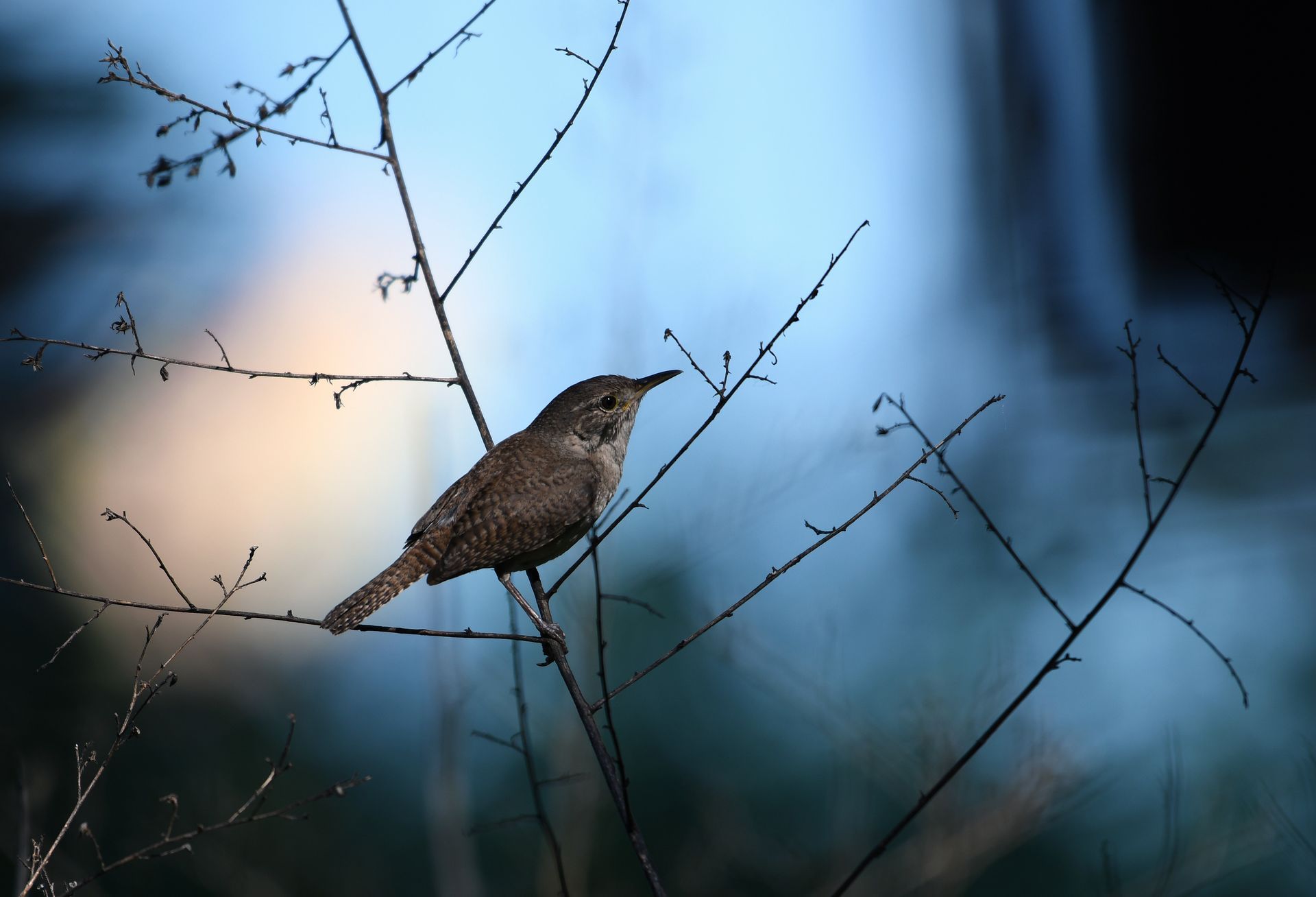
House Wren: This type of Wren is widespread throughout the Americas, from Canada to southern Argentina. It's commonly found in different habitats, including forests, woodlands, parks, and urban areas. The House Wren is known for its energetic behavior and unique
bubbling song.
photo by David - stock.adobe.com
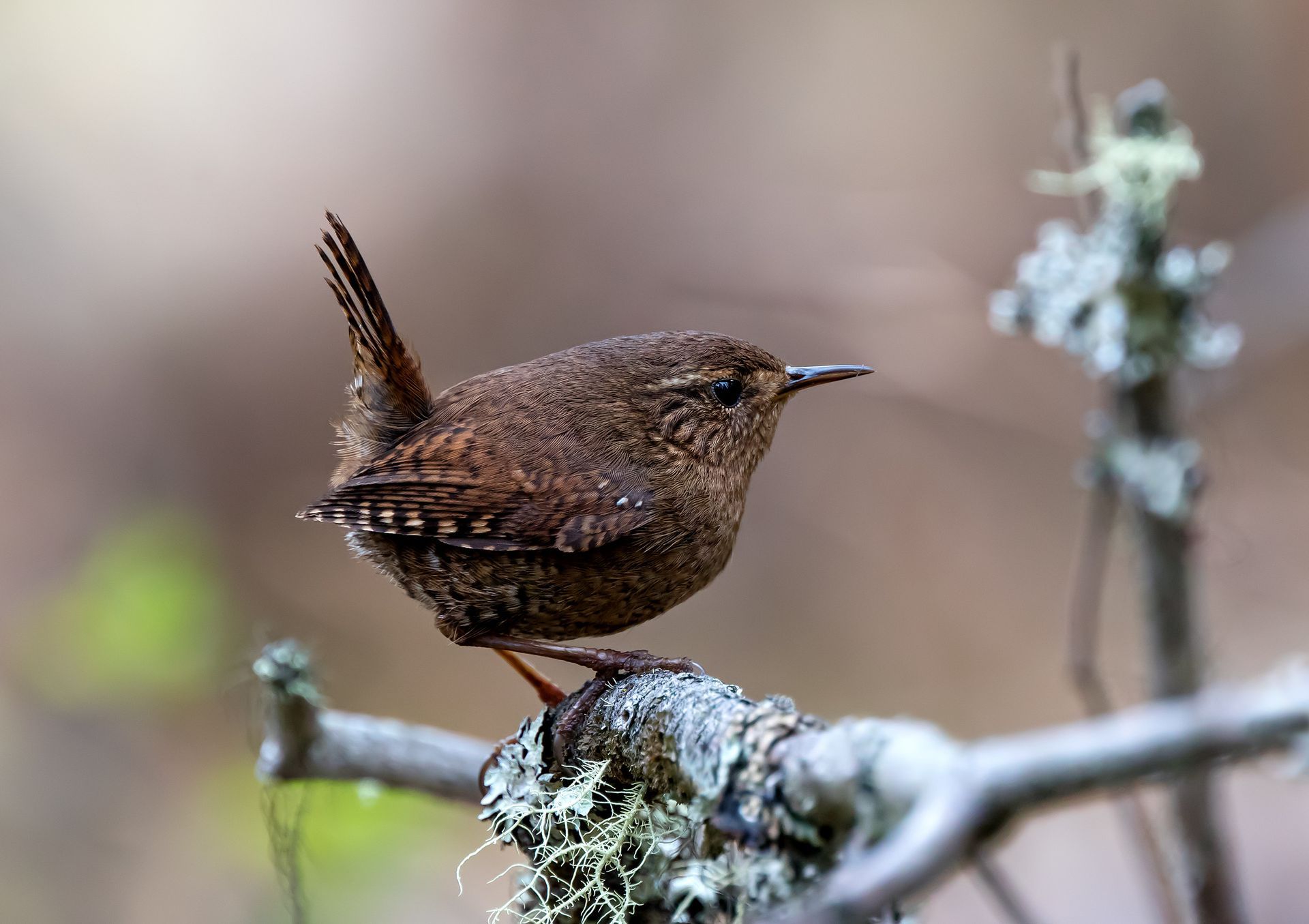
Pacific Wren: The Pacific Wren lives on the west coast of North America, ranging from Alaska to California. It is commonly found in dense, moist forests. Despite its small size, it has a loud and complex song, often heard in the undergrowth of its preferred habitats.
photo by imaton - stock.adobe.com
Eurasian Wren: This bird is found across Europe and Asia, including parts of Russia and Japan. It is one of the most widespread bird species in its range. It has various habitats, from woodlands and forests to gardens and parks.
photo by pexels.com
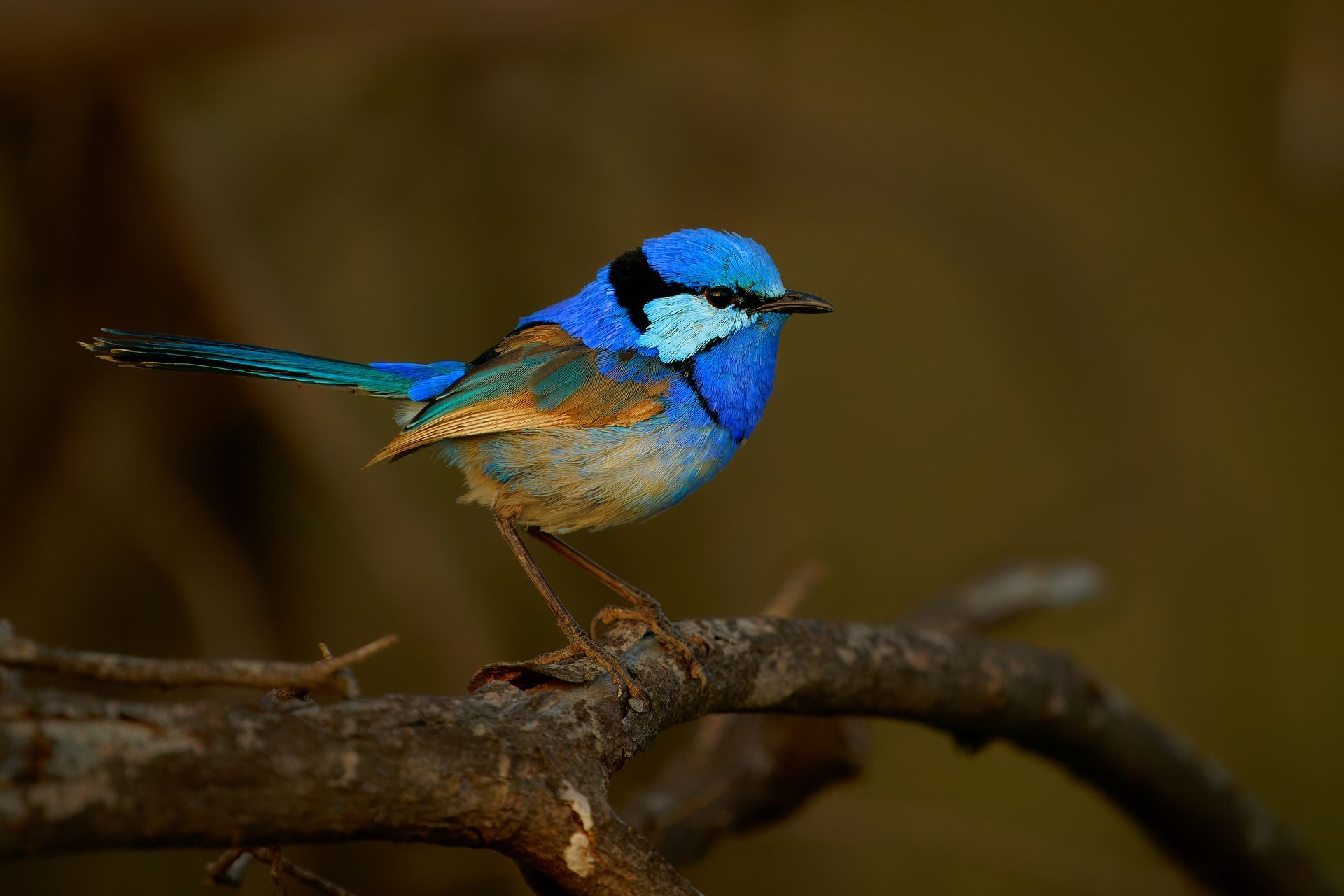
Fairy Wrens: Fairy Wrens are among the most beautiful birds in Australia and one of their most well-known birds. They are commonly found in backyards, botanical gardens, and along grassy roadsides throughout southeastern Australia. It is the male Fairy Wren that sports the bright blue colors.
photo by phototrip.cz - stock.adobe.com
Super Cute Wren Babies!
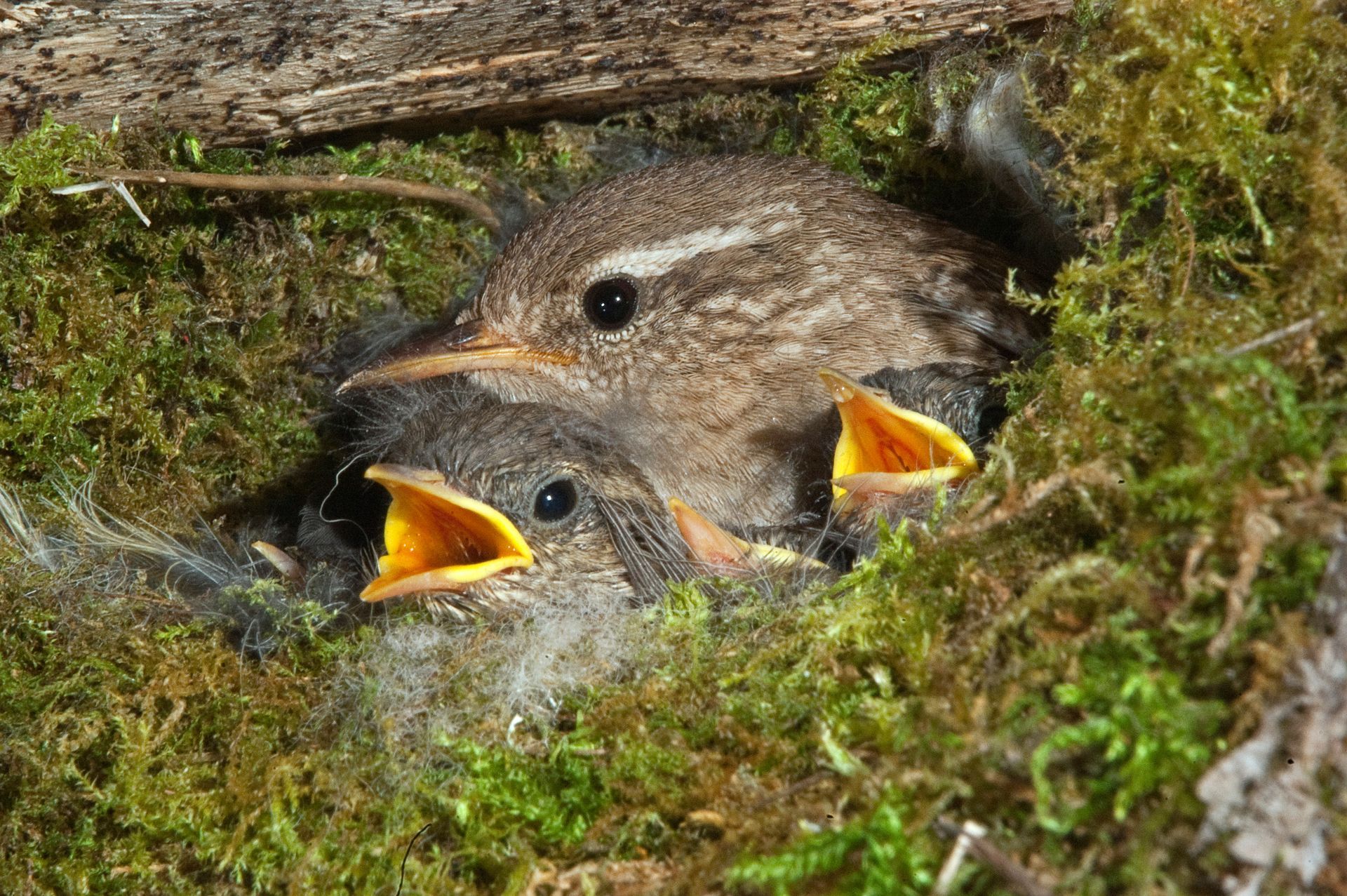
Wren parents are excellent caretakers, building intricate nests in holes or birdhouses to keep their young safe. A wren will lay between five and eight small speckled eggs, known as a brood, typically in late April, with second broods often raised later. The eggs hatch in 13-18 days.
Once hatched, the tiny, featherless nestlings require constant care and feeding. Both parents work tirelessly to provide a steady diet of insects and spiders to their hungry brood. In just about two weeks, the nestlings grow rapidly, developing feathers and preparing for their first flight. Watching baby wrens take their first adventurous leaps into the world is a heartwarming sight.
What do Wrens Eat?
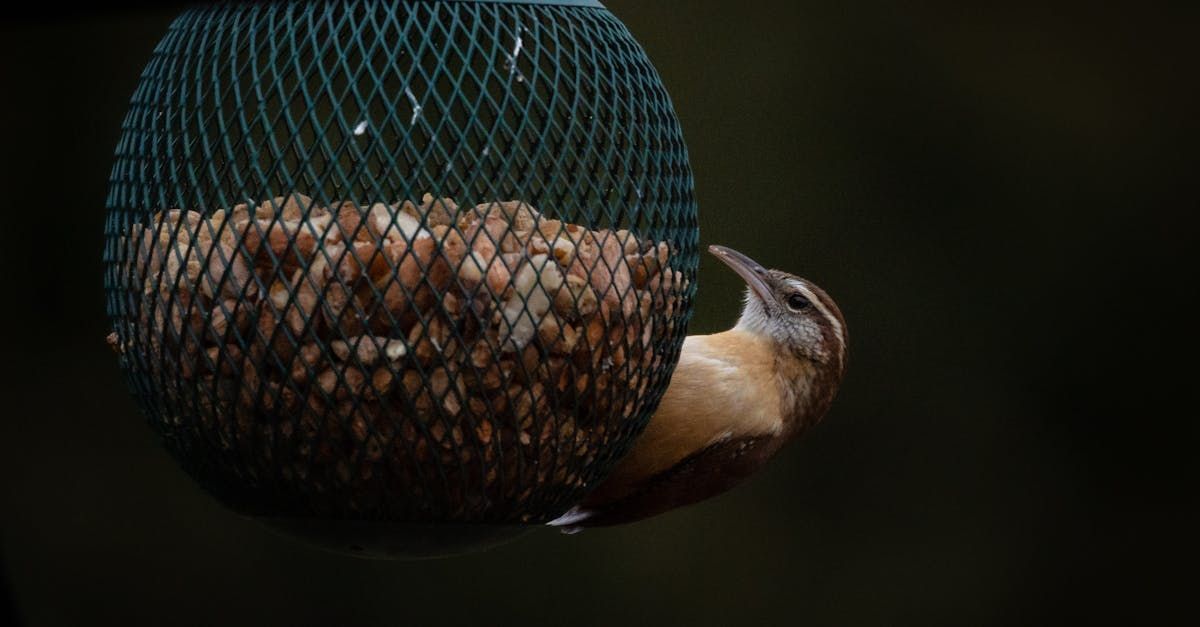
Wrens are primarily insectivores, meaning they mainly eat insects and spiders. They play a crucial role in controlling insect populations, eating a variety of pests such as beetles, caterpillars, and ants. Occasionally, wrens might also enjoy small fruits and seeds, especially during the colder months when insects are hard to find. Their foraging behavior is fun to watch as they hop energetically from branch to branch, poking into crevices and under leaves in search of their next meal.
Wrens in Your Backyard
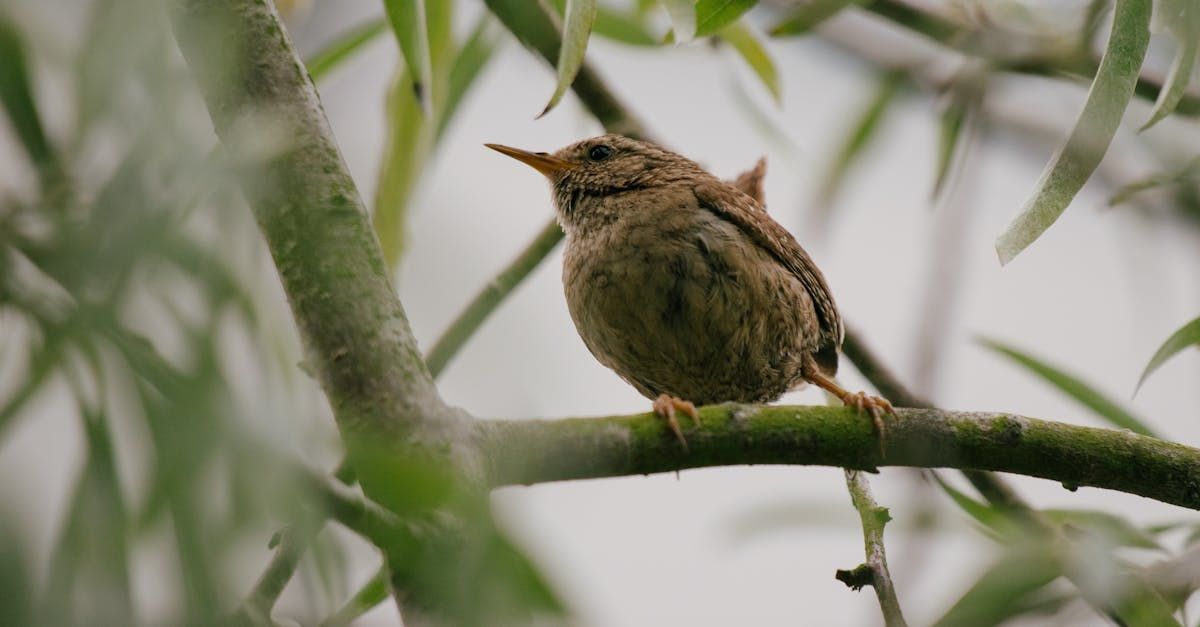
A Wren-Friendly Haven
Sharing your backyard with wrens is a fun experience, and they help keep the insect populations down. Here are some tips to make your yard a wren-friendly haven:
- Nesting Sites: To attract wrens, provide birdhouses with a small entrance hole (about 1 inch in diameter). Place them in quiet, sheltered spots to keep them safe from predators.
- Natural Vegetation: Plant native shrubs and trees to offer natural nesting sites and food sources. Wrens love dense foliage for protection and foraging.
- Water Sources: Ensure a fresh water supply, such as a birdbath or shallow pond, for drinking and bathing.
- Insect-Friendly Gardens: Avoid using pesticides in your garden. Plant a variety of flowers and maintain a compost pile to encourage a healthy insect population.
- Safety Measures: To protect wrens from being caught and eaten, keep cats indoors or supervise them while outside. Also, be mindful of using netting or other materials that could trap or harm birds.
By understanding and appreciating the life of wrens, we can create a healthy relationship with these wonderful birds, making our backyards a lively and joyous place for both humans and wildlife. So, let's welcome the wrens and enjoy the magic they bring to our everyday lives!
Who Are their Neighbors?
Wrens share their habitats with other backyard birds that fly, such as
blue jays, which are bold and noisy, and
hummingbirds, known for their fast wings and love of nectar. You may also spot
butterflies nearby, adding color and movement to the same lively environment.
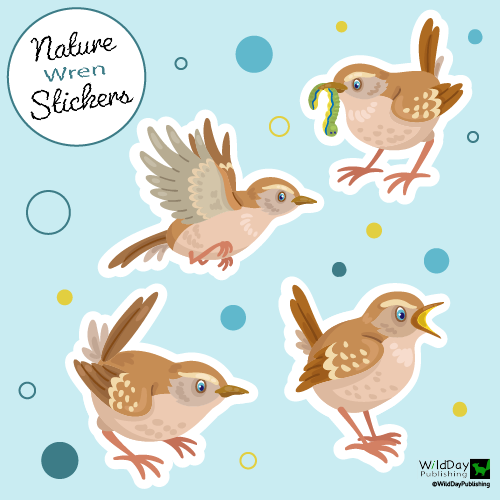
Wren-Themed Activities (Ages 3+)

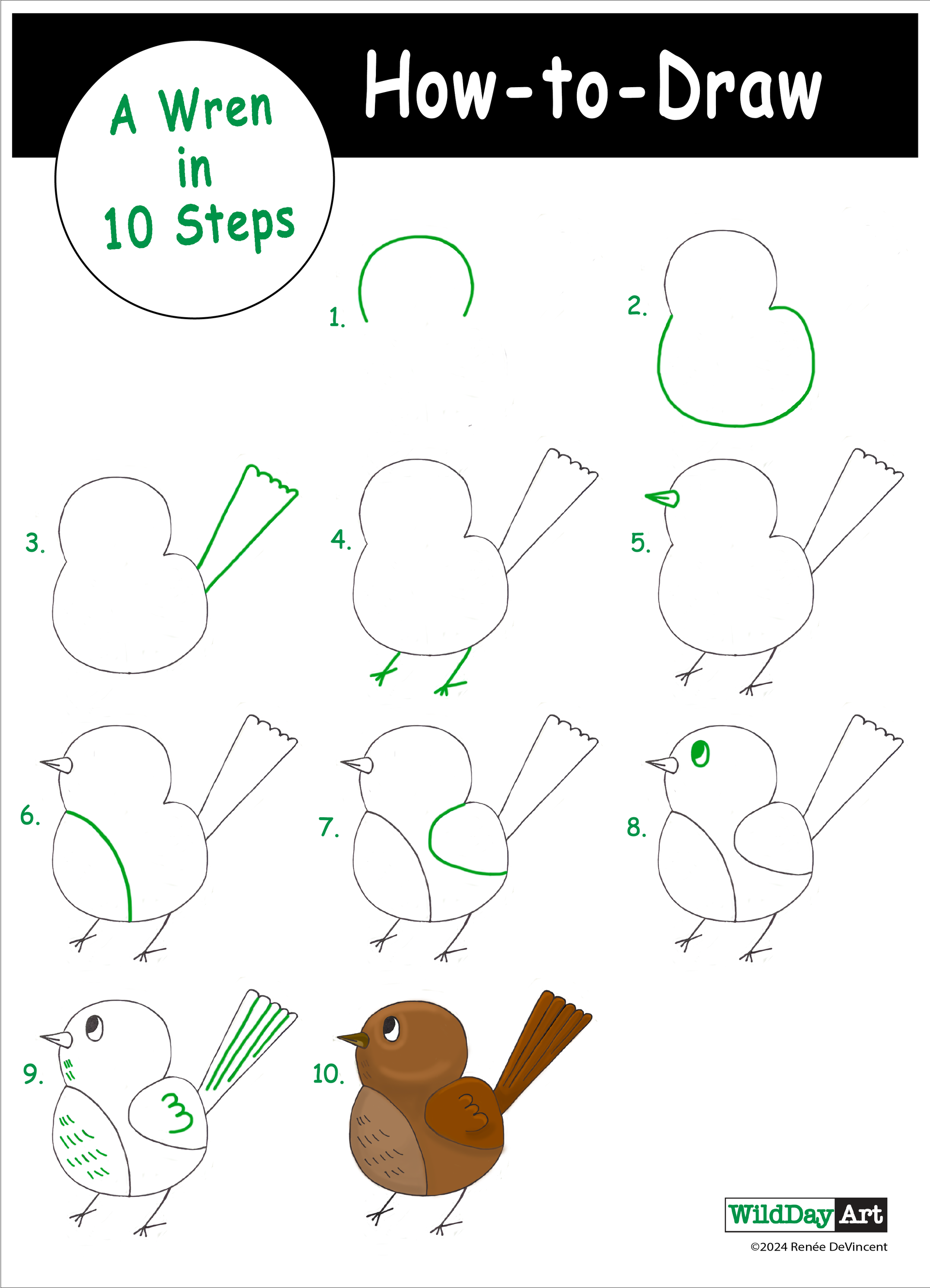
Article Sources:
American Bird Conservancy: https://abcbirds.org/bird/carolina-wren/
Arizona-Sonora Desert Museum: https://www.desertmuseum.org/books/nhsd_wrens.php
Songbird Survival: https://www.songbird-survival.org.uk/post/10-facts-about-wrens-you-didnt-know
The National Audubon Society: https://www.audubon.org/field-guide/bird/carolina-wren
Cornell Lay-All about birds: https://www.allaboutbirds.org/guide/Eurasian_Wren/photo-gallery/613695619
Fairwren Project: https://fairywrenproject.org/meet-the-fairywrens/#SUFW_highlink
Please share!
Explore more animals in our Backyard Animals Facts for Kids collection

Discover woolly bear caterpillars! Learn where they live, what they eat, how they survive winter, and the folklore behind their famous forecast.
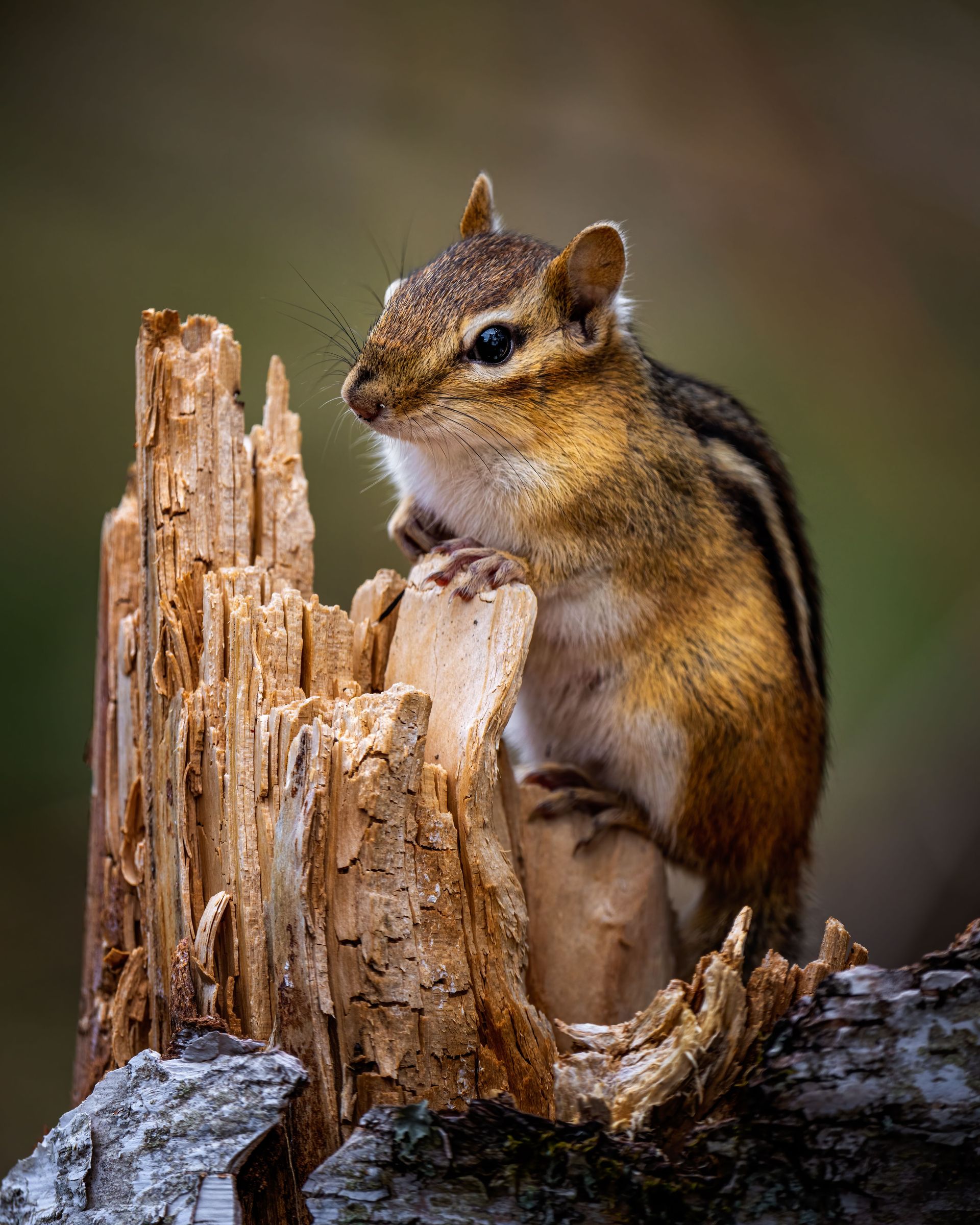
Discover fun chipmunk facts for kids, free printable activities, and simple ways to explore and learn about backyard chipmunks together.
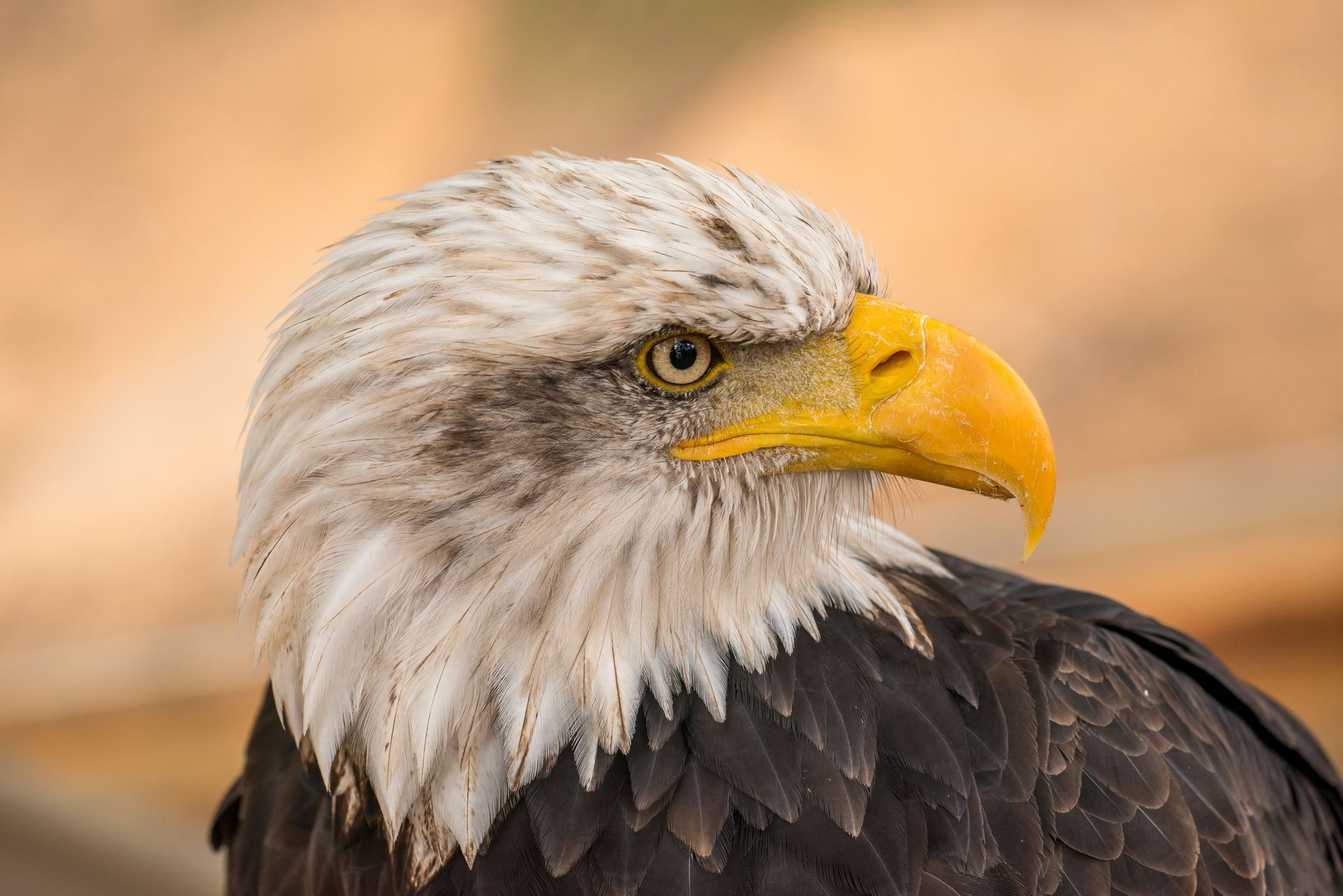
Discover amazing bald eagle facts for kids, plus free printable activities, coloring pages, a drawing tutorial, and outdoor learning ideas.
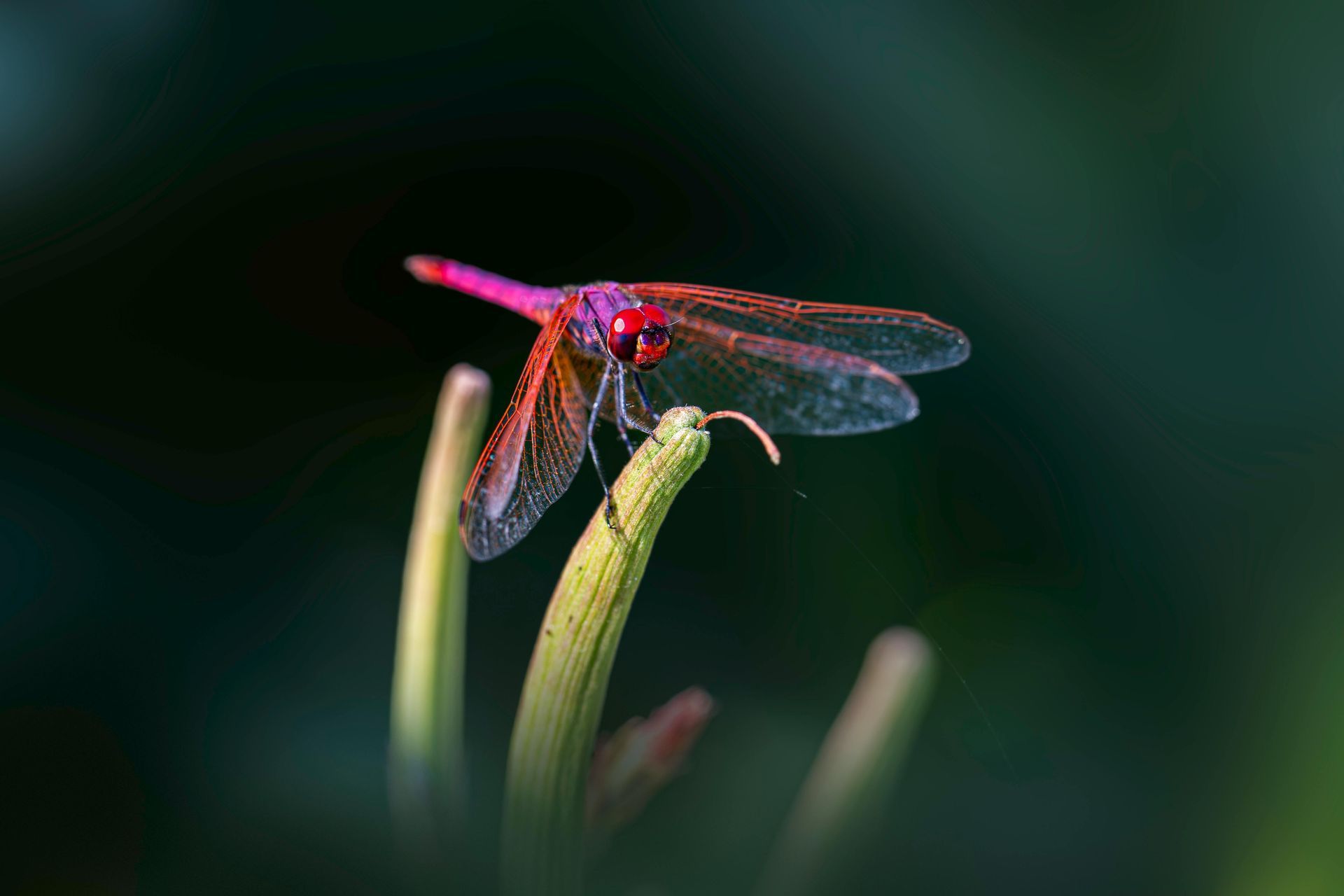
Discover fascinating dragonfly facts for kids, including where dragonflies live, what they eat, their life cycle, and how they help nature.
Learn fun and simple skunk facts for kids, including where skunks live, what they eat, and why they are important for backyard ecosystems.
Dams, Lodges, and Winter Survival!. Explore beavers this winter! Learn about lodges, tunnels, baby beavers, and fun family activities in this hands-on nature newsletter. 🦫❄️
Learn porcupine facts for kids, including habitat, diet, and fun facts about these spiky forest animals. Discover where porcupines live and how they survive in the wild.
Learn all about badgers—their habits, habitats, and role in nature—plus creative ways for families to explore and celebrate them together.
Discover amazing salamander facts and enjoy fun, family-friendly activities all about salamanders! Learn where they live, how they help your backyard, meet common species found across the U.S. and Canada, and try engaging salamander-themed activities for the whole family.
Discover fascinating facts about Blue Jays. Where they live, what they eat, and how they mimic other animals. Perfect for kids, families, and curious birdwatchers, this fun guide to Blue Jays will have you looking up every time you hear a squawk in the trees!
Celebrate spring by welcoming ladybugs into your garden!
Discover how these colorful beetles help plants thrive, what they eat, where they live, and how they survive the winter. Learn why it’s important to wait before cleaning up your yard and how to protect ladybugs and other helpful insects this season. A simple guide to supporting nature's tiny helpers as the world warms up.
This family-friendly blog explores the different types of rabbits in North America, provides fun facts and activities, offers backyard bunny spotting tips, and provides ways to appreciate these furry friends in nature. Perfect for kids and parents who love wildlife!
Learn all about weasels, their habitats, behavior, and unique traits. Discover how to spot these elusive creatures, understand their role in nature, and explore common species like the long-tailed weasel, short-tailed weasel, and least weasel. Get insights on how weasels compare to similar animals like minks, martens, and fishers.
Discover the fascinating world of bobcats—North America’s stealthy wildcats. Learn about their habits, habitats, and role in keeping ecosystems balanced, plus tips for coexisting with wildlife.
A fun and educational blog about backyard spiders, exploring their fascinating behaviors, helpful roles in nature, and cool facts for curious kids!
Discover how these nighttime flyers help our world! From eating pesky insects to spreading seeds and pollinating plants, bats are amazing creatures that play a big role in nature. Get fun educational bat activities.
Explore six of the most common wild turtles you might find in your backyard. Discover their unique features, habitats, behaviors, and care tips to create a turtle-friendly environment and ensure their well-being in the wild.
🐸 🌿 Learn about the differences between frogs and toads and what sets them apart, and uncover fascinating insights into their anatomy, habitat, behavior, and defense mechanisms. Gain a deeper appreciation for these captivating creatures and their vital role in the natural world.
Explore our blog's fascinating world of raccoons, where we uncover their cleverness, charm, and mischievous antics. From their masked faces to their nimble paws, these resourceful creatures never fail to surprise us.
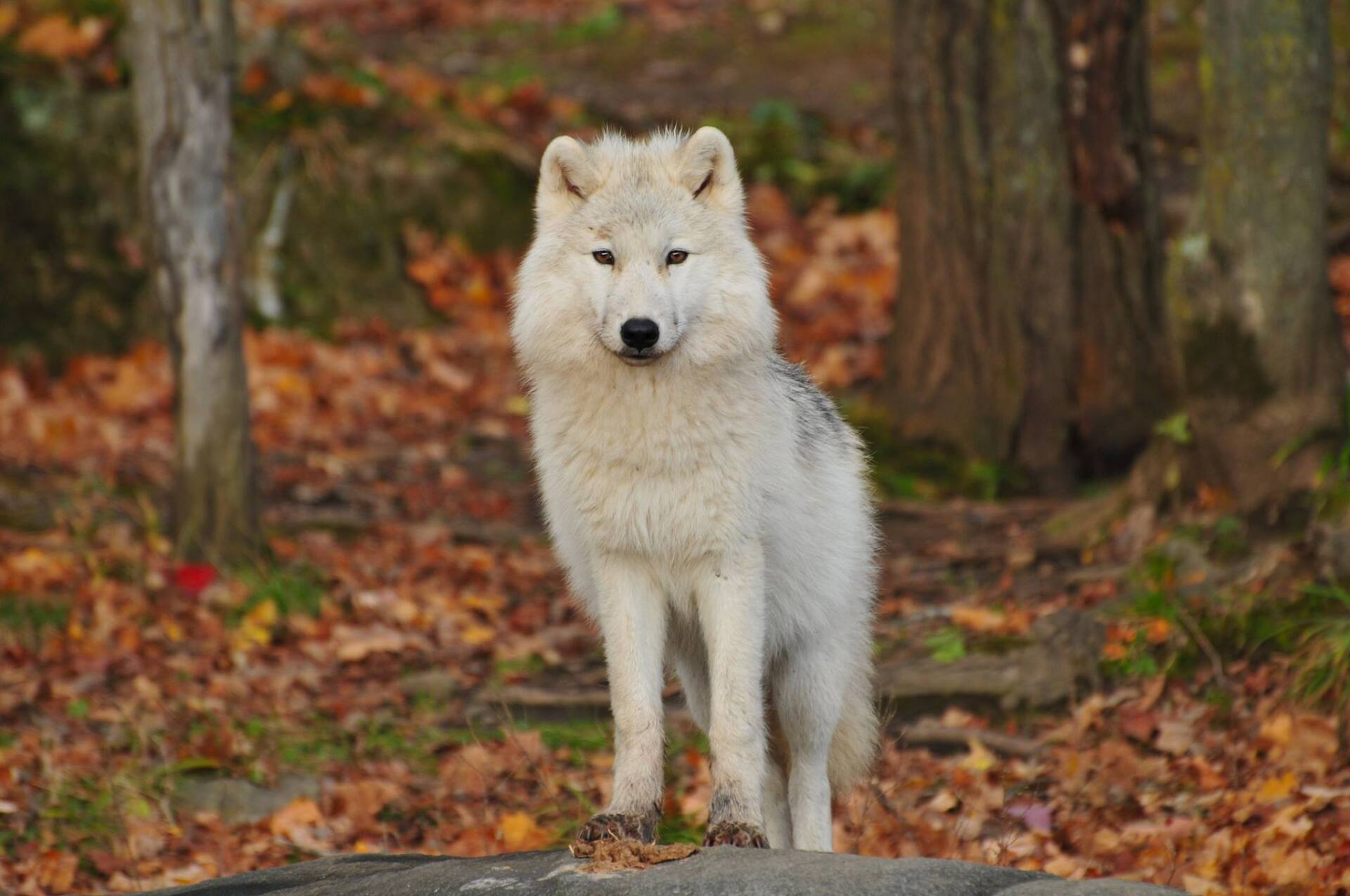
Learn about wolves! While they may have been portrayed as villains in stories, Discover the truth about these incredible creatures. Join us as we journey deeper into the wild and meet some real celebrity wolves. But first, here are some fun facts that you may not know!
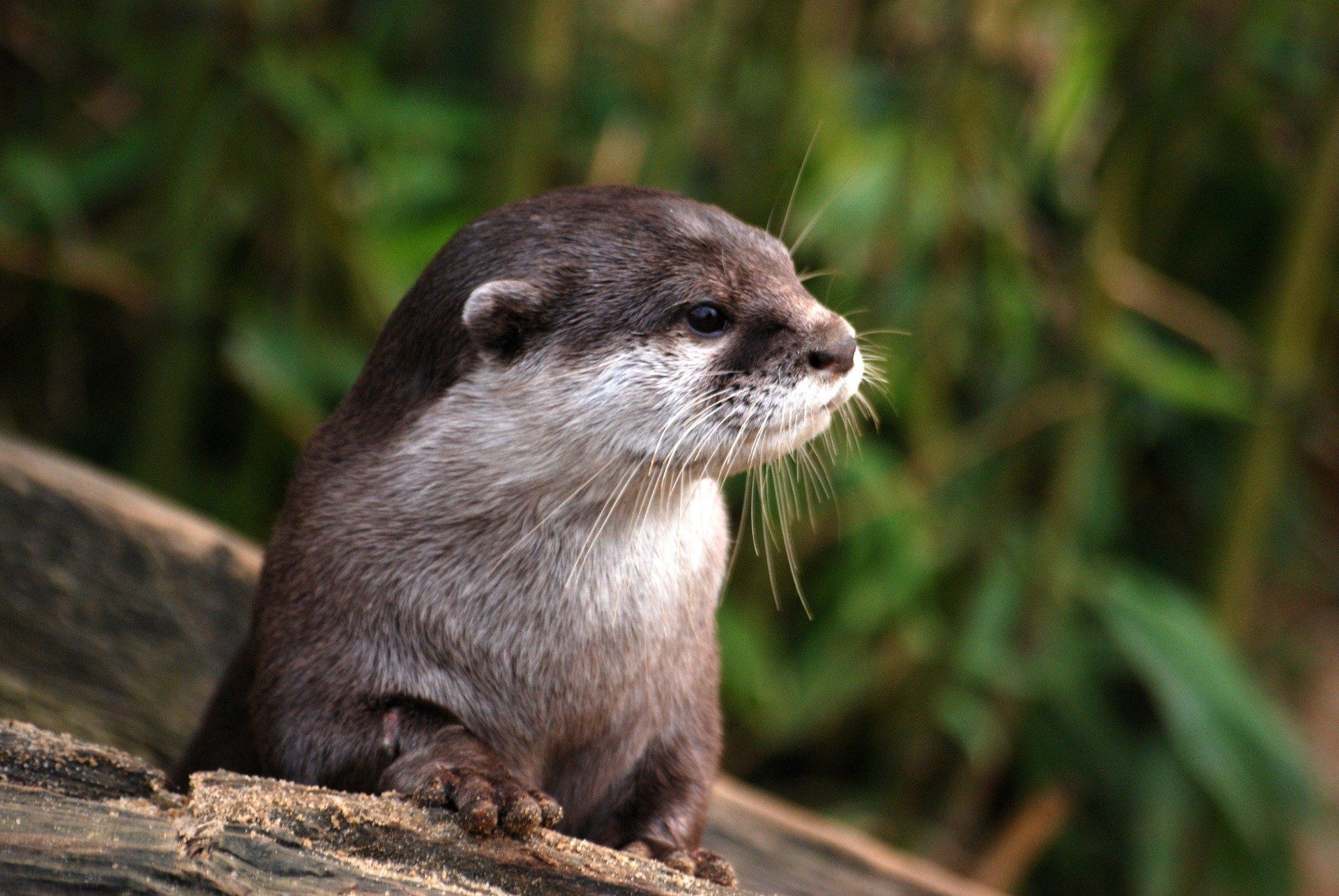
Charming and adorable, otters are very fun to watch. Their expressions are cute, and their movement is delightful. Spotting these furry creatures in the wild means the environment is healthy. However, the river otter is often mistaken for other animals like the sea otter, beavers, and muskrats. We will explore how special the river otter is in this edition of the Wild Truth.
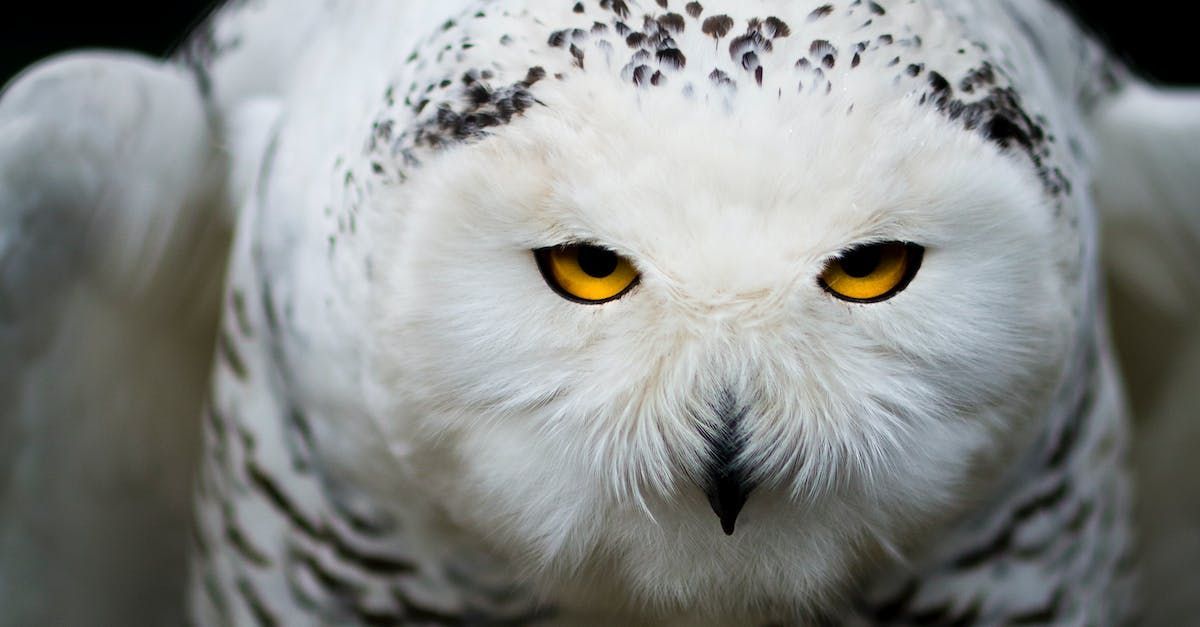
Owls have interested people for centuries with their wise eyes, hoot-filled talk, and sneaky nightly adventures. Join us on a journey into the night sky and the secret world of owls. 🦉🌙
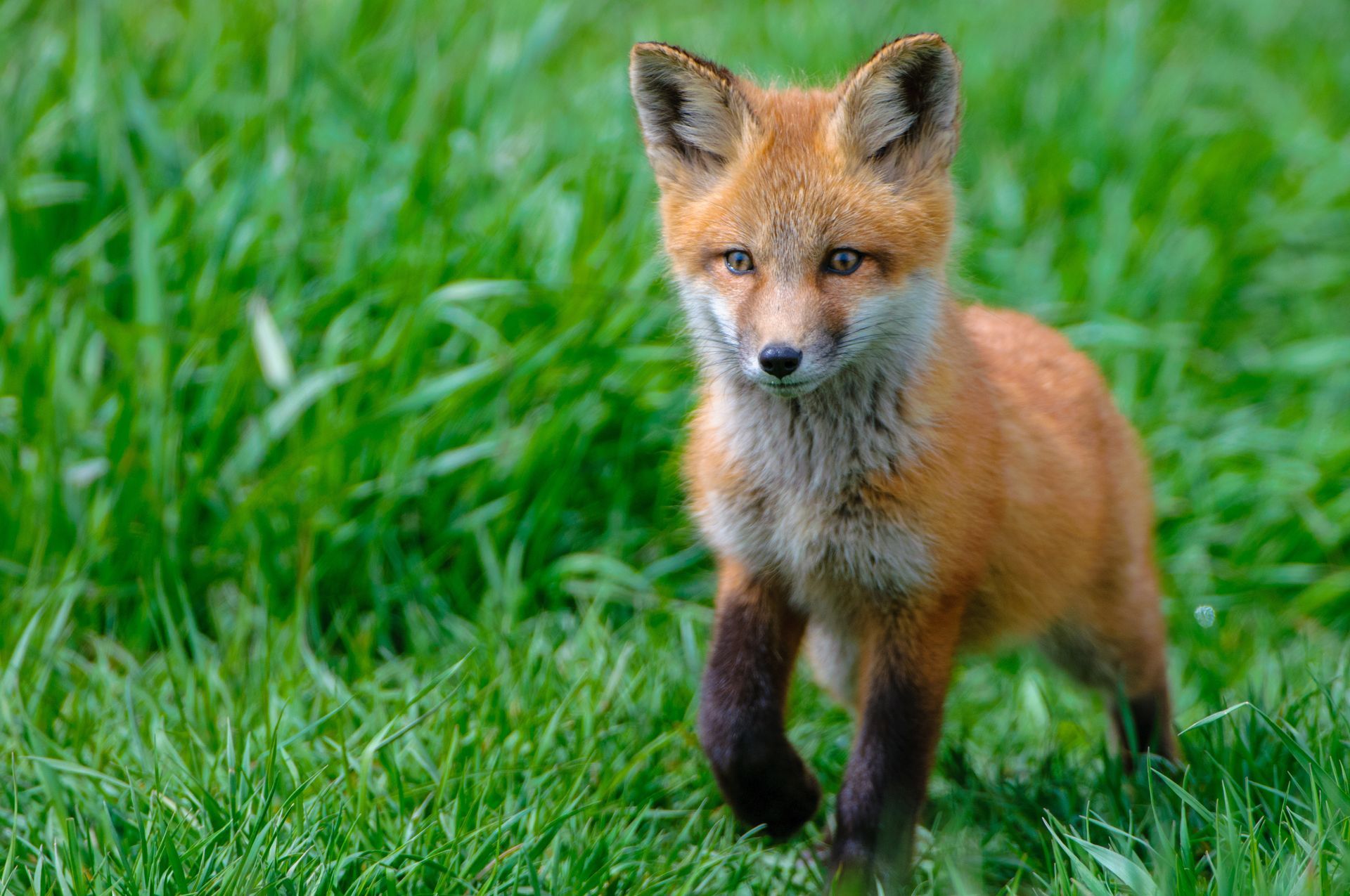
Journey into the clever world of foxes! 🦊✨ Explore the mysteries, intelligence, and charm of these captivating creatures with the Wild Truth blog. From fun facts to fascinating behaviors, join us in unraveling the clever world of foxes. 🌿📖
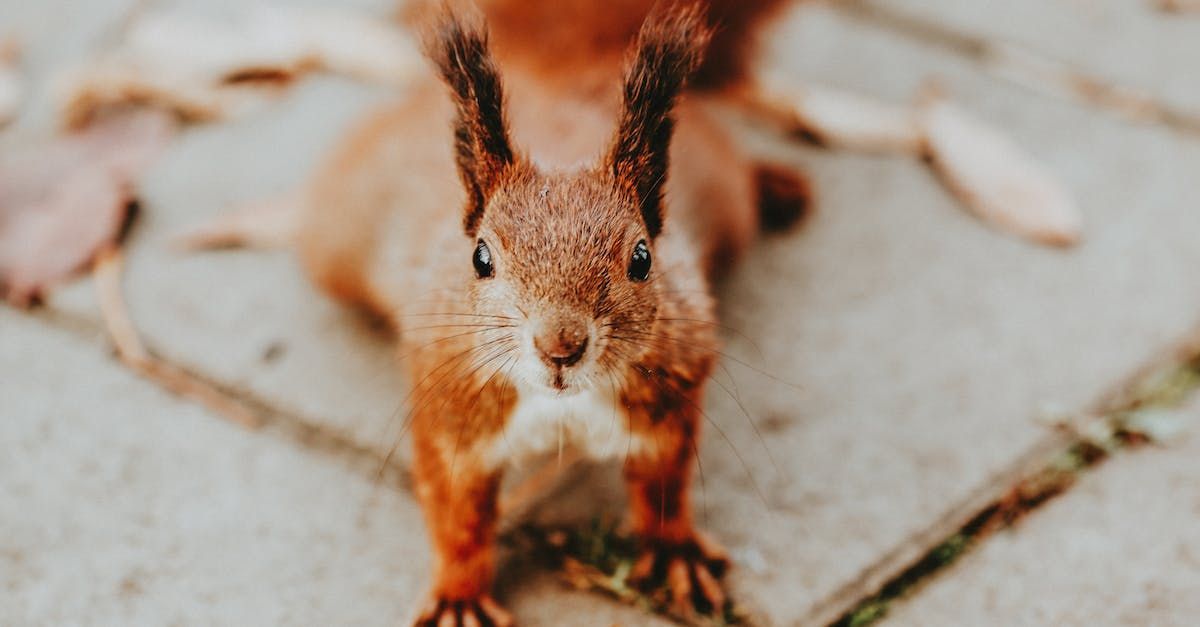
Explore fun squirrel facts & behaviors! Engage kids with books & activities that inspire a love for nature. Check out our resources today!
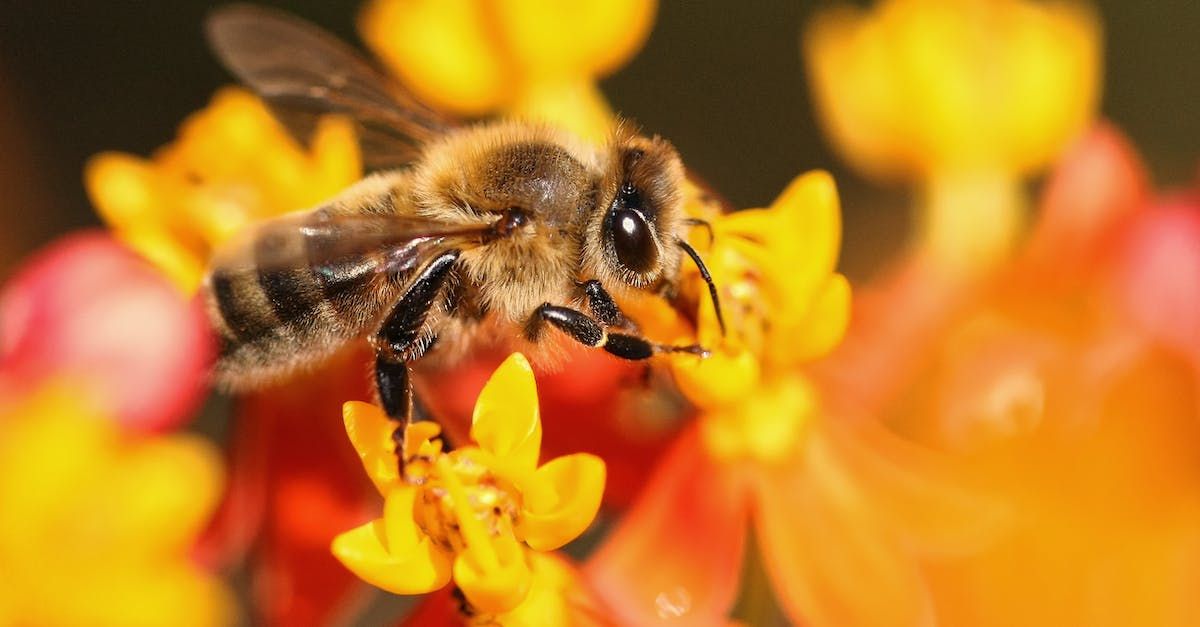
Bug into the hive and discover the amazing life of honeybees 🐝 and their amazingly social lives and hive harmony. 🤩 Learn how to help bees thrive in the fall and prep for winter. 🍯❄️ Join us as we welcome author and beekeeper Nocola Williams as she unveils her book Bugzee and the Bees. 🌼🍯🐝
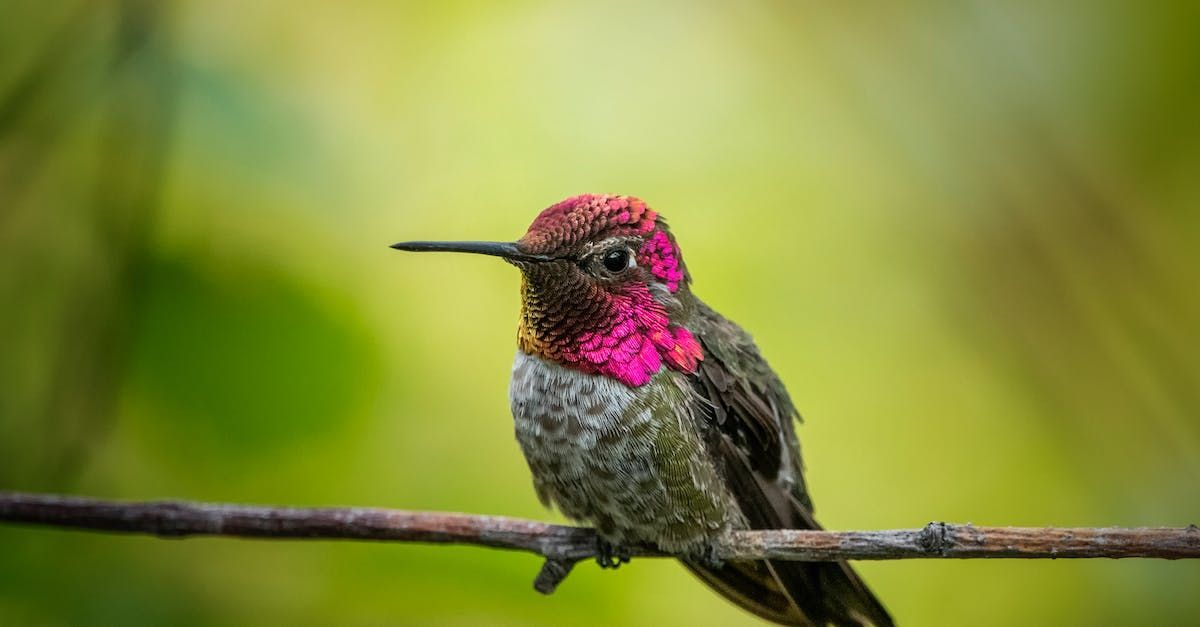
Fly into the enchanting world of hummingbirds! 🌸 Discover their lightning-fast flight, incredible nest-building skills, and unique sleeping habits. Learn how to create the perfect hummingbird haven in your yard, complete with vibrant flowers and well-maintained feeders. And don't miss the fascinating insight into their nighttime 'Hummingbird Torpor'!
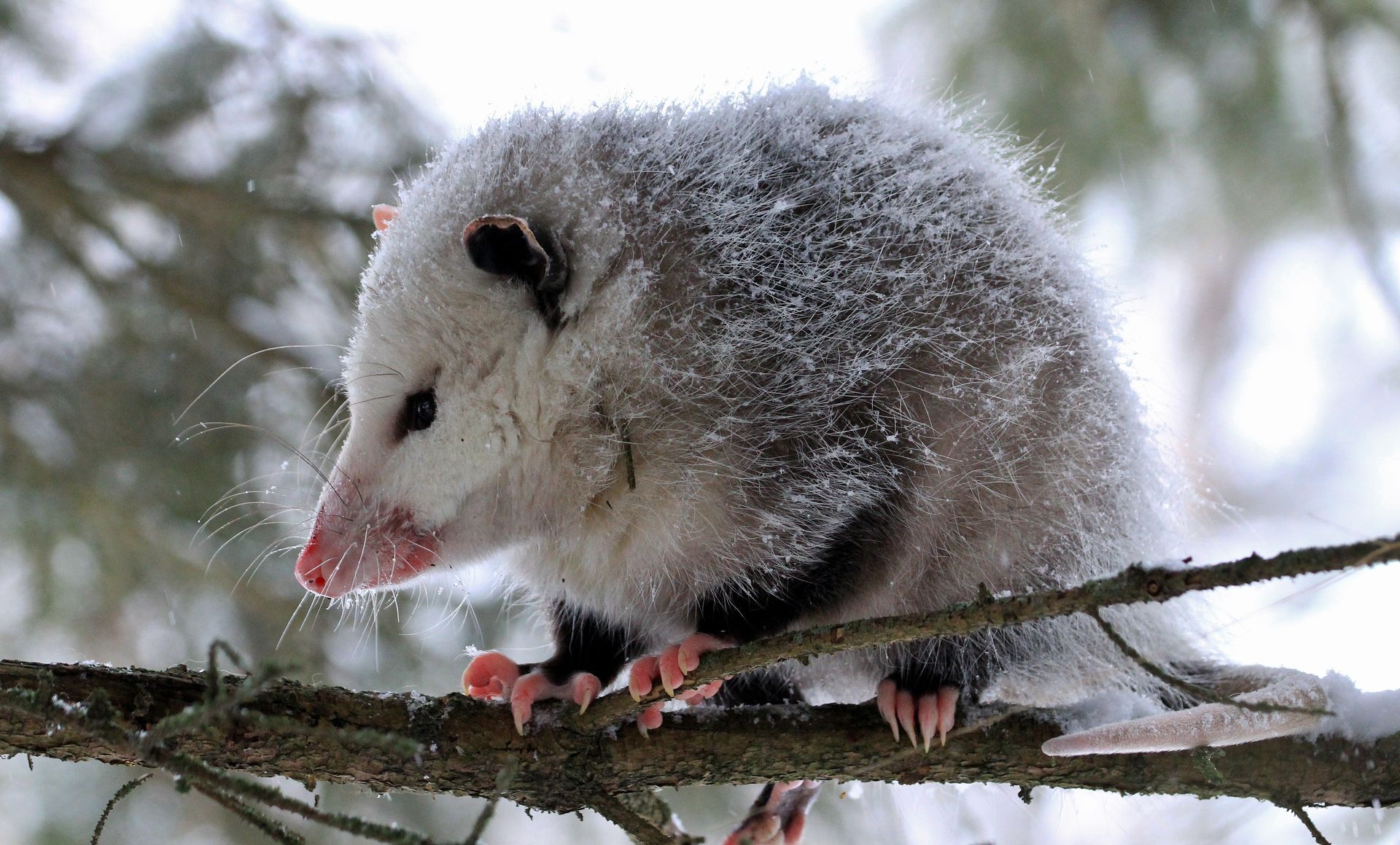
🌟 Meet the Marvelous Opossums! Nature's secret superheroes are rocking their very own pouches, just like kangaroos! 🦘 Get ready for cuteness overload as opossum moms carry up to 10 adorable joeys in their cozy pouches. 😍👶 Join us on a journey to discover the magic of these furry pouch-tastic creatures! 🌿🐾
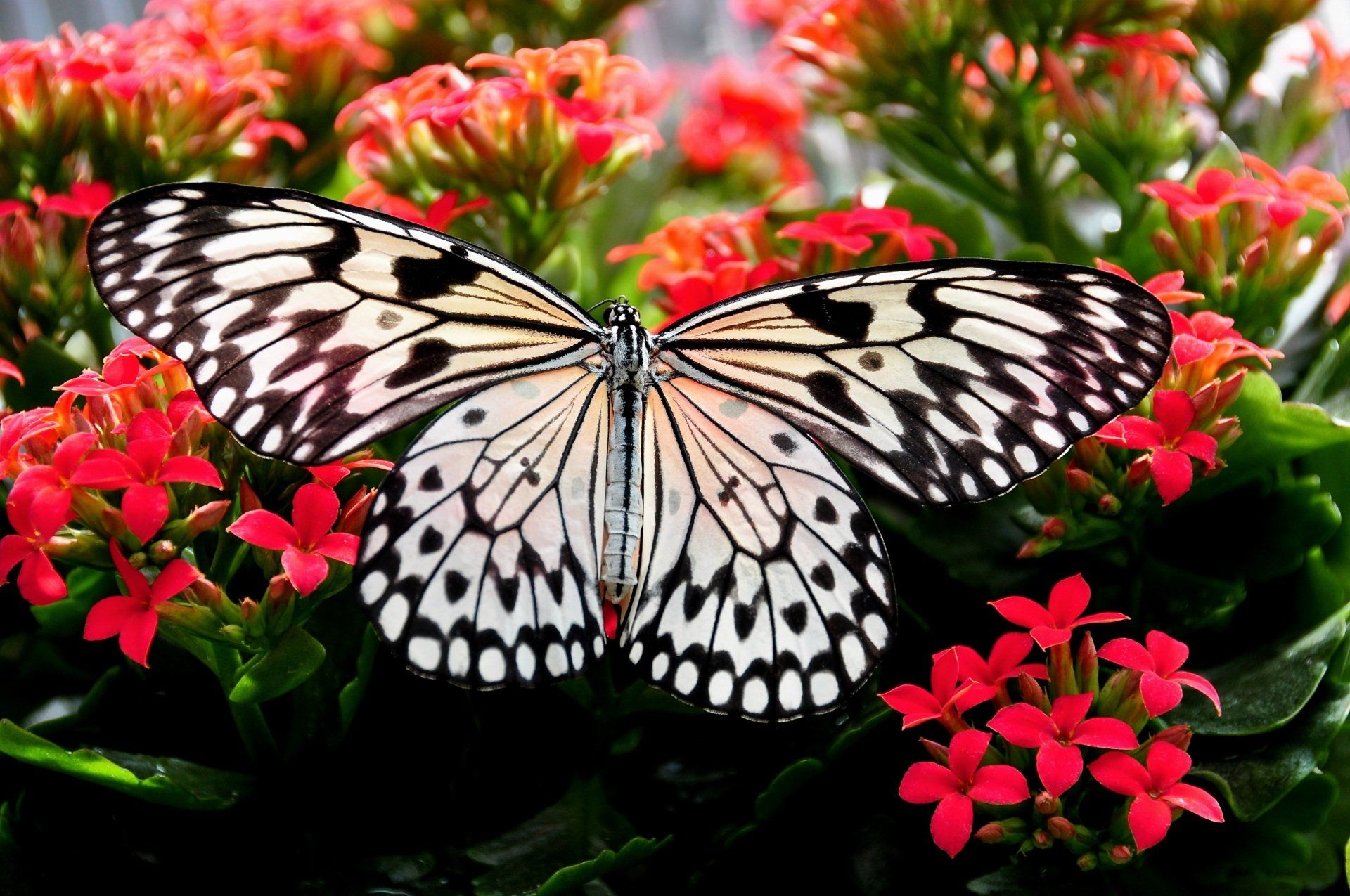
🦋 Unleash the Enchanting World of Butterflies! 🌈✨ These winged wonders are like living art pieces, fluttering through the air with grace and beauty. 🎨🌸 Join us on a mesmerizing journey to explore the magical metamorphosis of caterpillars into these exquisite butterflies! 🐛🦋 Let their vibrant colors and delicate dance inspire your imagination and joyfully fill your day! 🌼🌞