Skunk Facts for Kids – Backyard Wildlife Guide
Mammals | Forest habitat
Skunks are one of the most recognizable backyard animals, but there is more to them than their strong smell. In this article, you’ll learn skunk facts for kids, including where they live, what they eat, and how they behave.
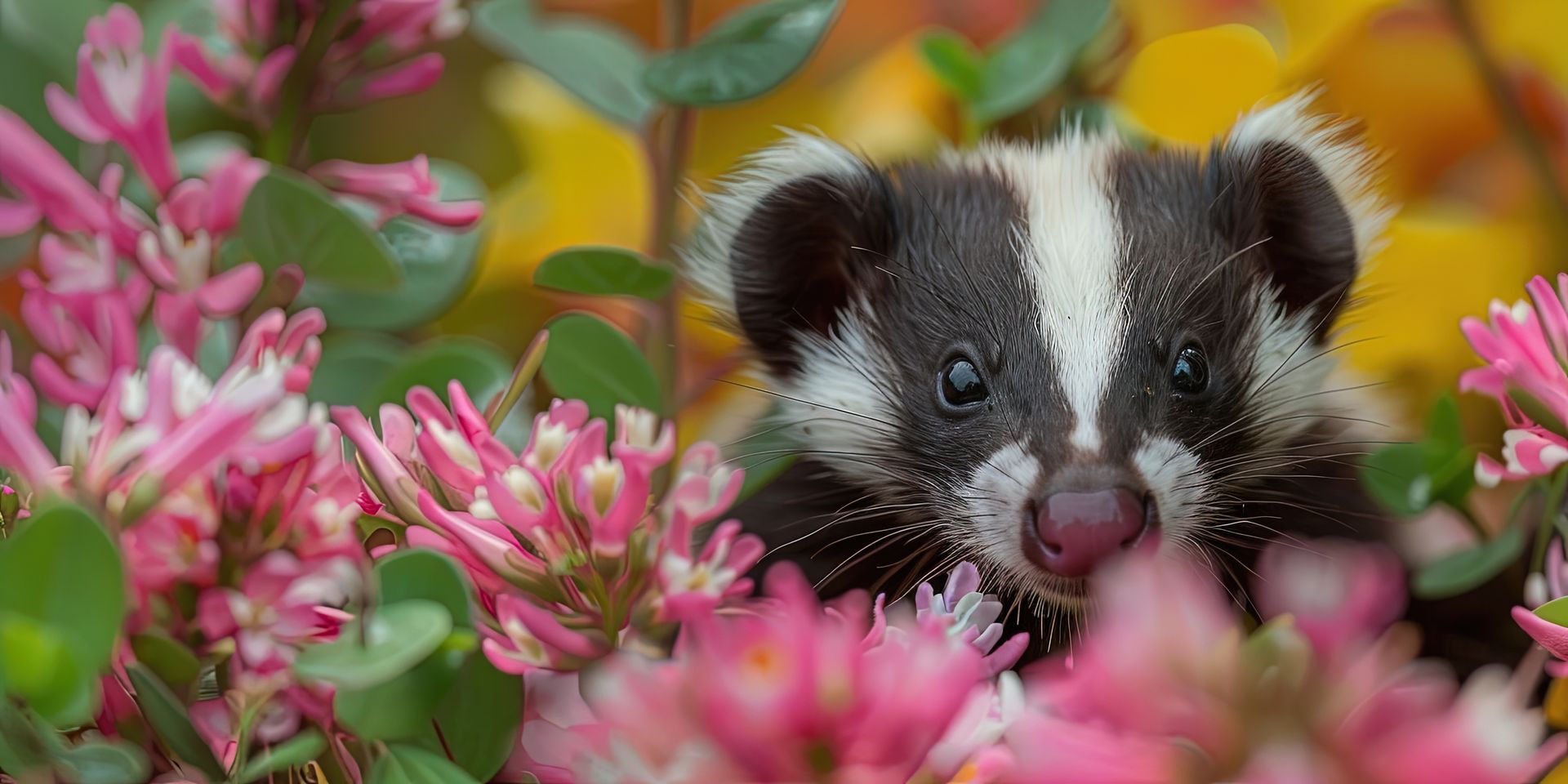
5 Short Facts About Skunks
- Skunks can spray their scent up to 10 feet away with surprising accuracy
- They have great hearing and smell, but poor eyesight
- Baby skunks are called kits
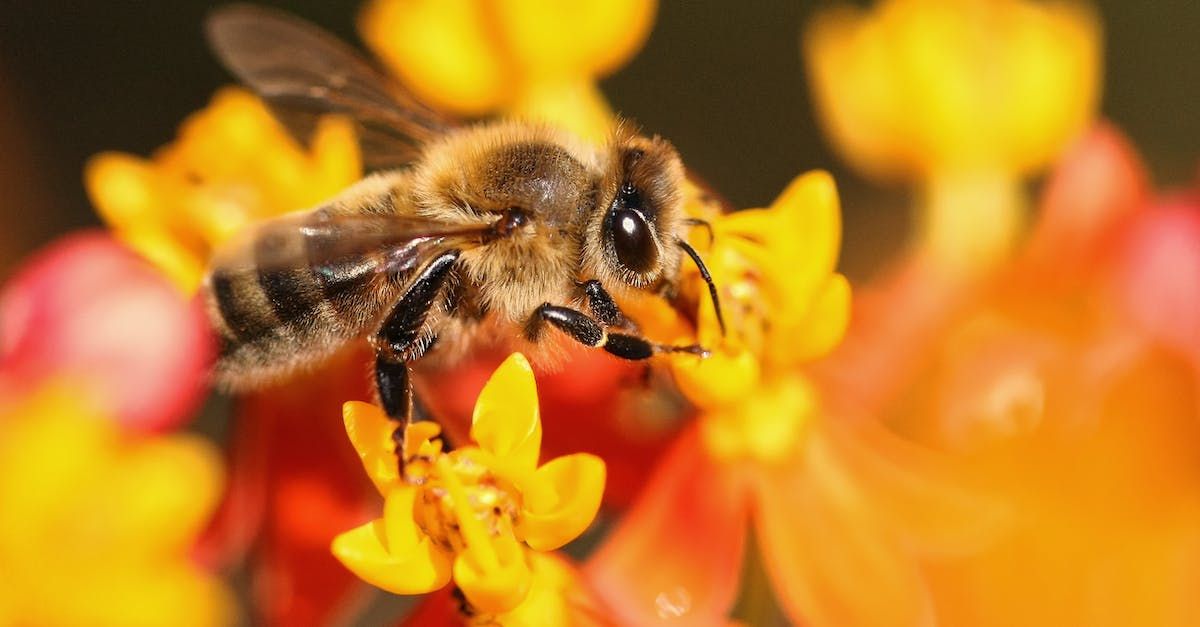
- Skunks are one of the few mammals that can eat bees
- Skunks don’t fully hibernate. In winter, they enter a light sleep called torpor and may wake to find food
Getting to Know the Skunk
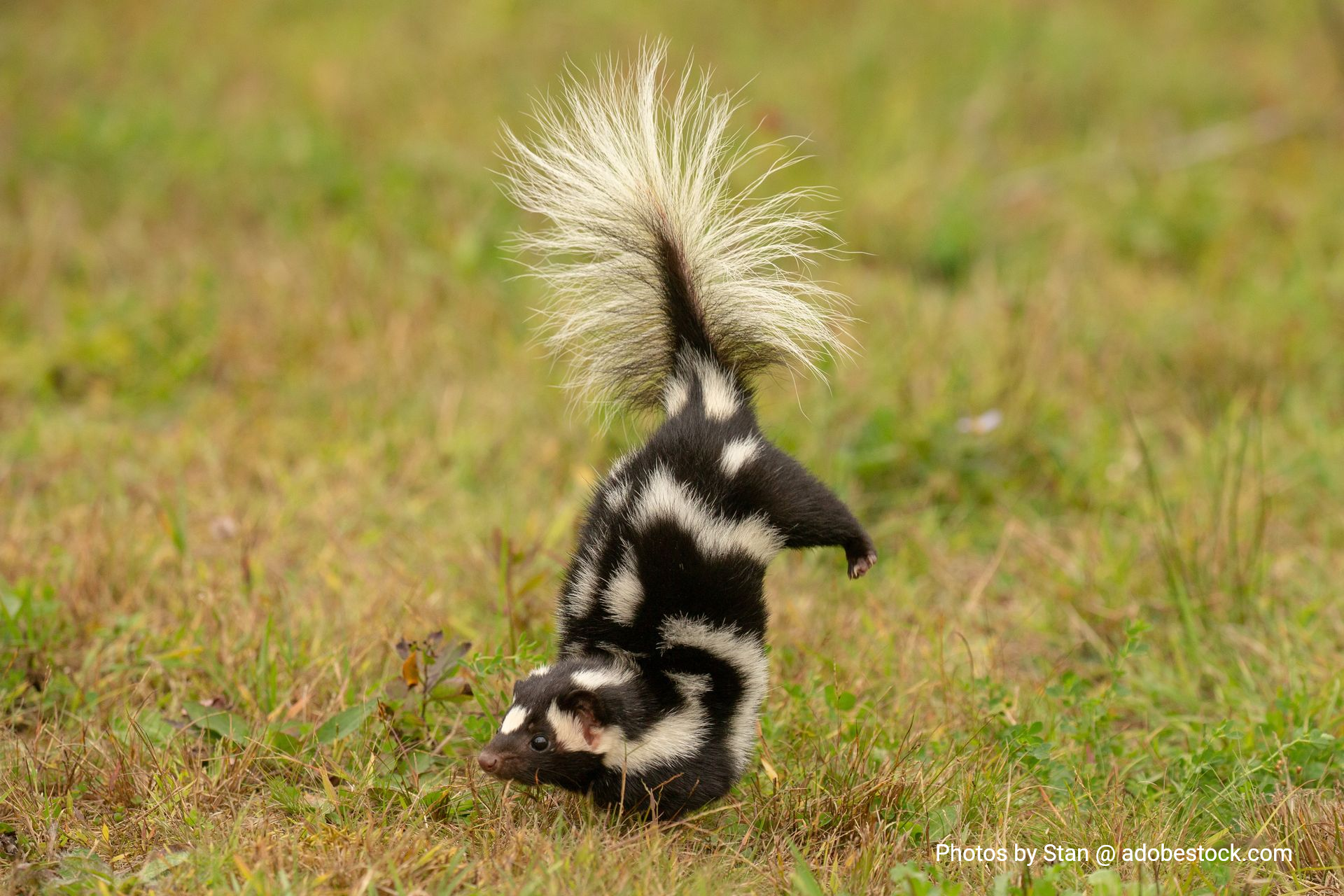
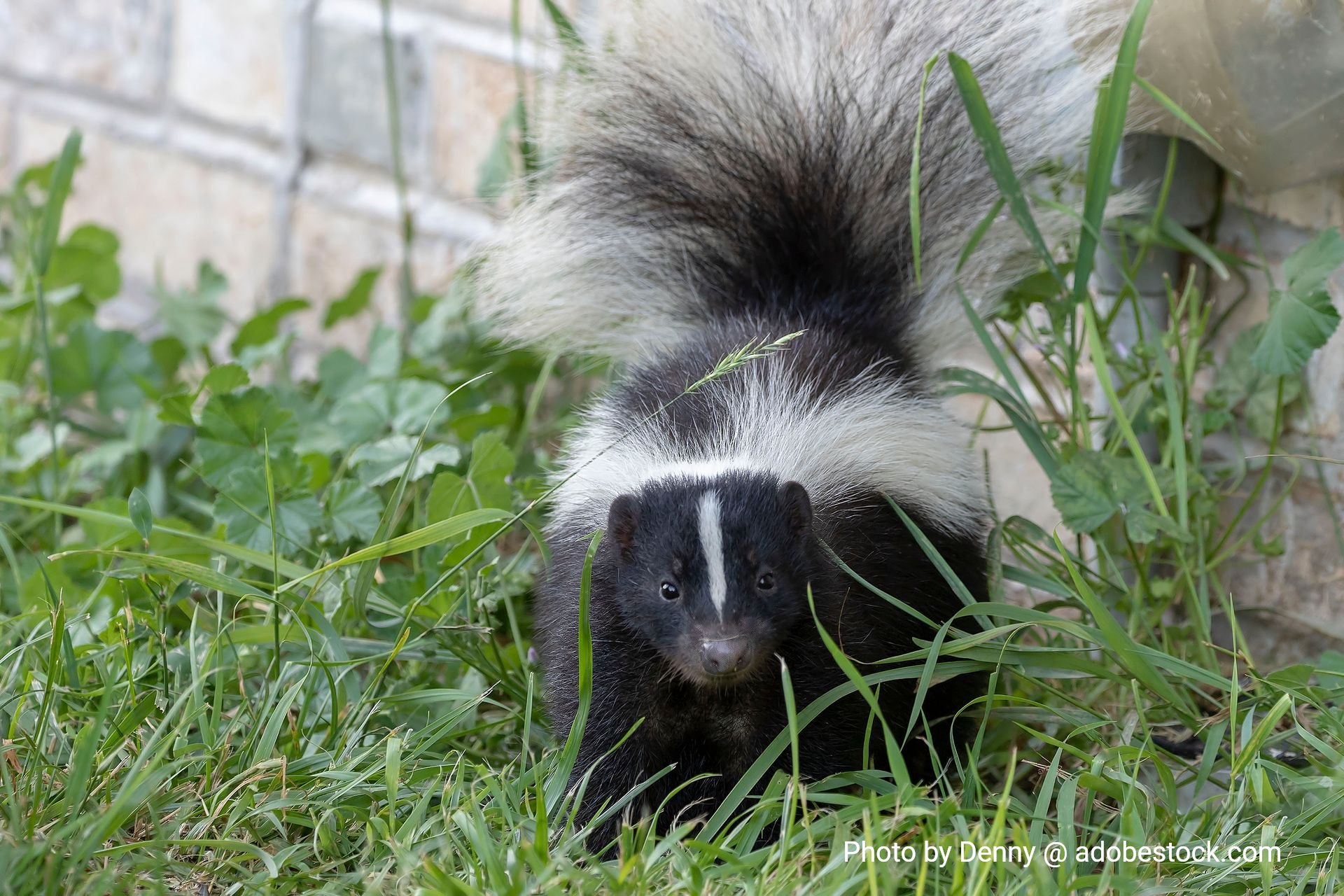
Skunks are easy to recognize by their bold black-and-white coloring, which acts as a warning to other animals to stay away. The most common skunk in the United States and Canada is the striped skunk, known for its two white stripes running down its back. However, not all skunks look the same. Some, like spotted skunks, have broken stripes or spots, while others in the southwestern United States may have different patterns or lighter coloring.
Skunks are small mammals with short legs, bushy tails, and strong claws for digging. They are quiet, mostly solitary animals that prefer to avoid trouble and will only defend themselves if they feel threatened. Even though they are famous for their strong smell, skunks are actually gentle and important members of the backyard ecosystem.
What Do Skunks Eat?
Skunks are omnivores, which means they eat both plants and animals.
Their favorite foods include:
- Insects (like beetles and grubs)
- Small animals
- Fruits and berries
- Eggs
This makes them very helpful in your backyard, because they eat pests that can harm gardens!
How Do Skunks Protect Themselves?
Skunks spray a strong-smelling liquid to protect themselves, but only as a last resort. Before spraying, a skunk will give warning signs, like:
- Stomping its feet
- Raising its tail
- Turning its back
If you see these signs, it’s best to slowly move away and give the skunk space. Skunks don’t want to spray. They save it for emergencies.
Did you know?
- A skunk can only spray a few times before it needs several days to refill
- Skunks sometimes do a handstand before spraying to aim better
- Their strong smell can linger for days or even weeks if not washed away
Life as a Baby Skunk
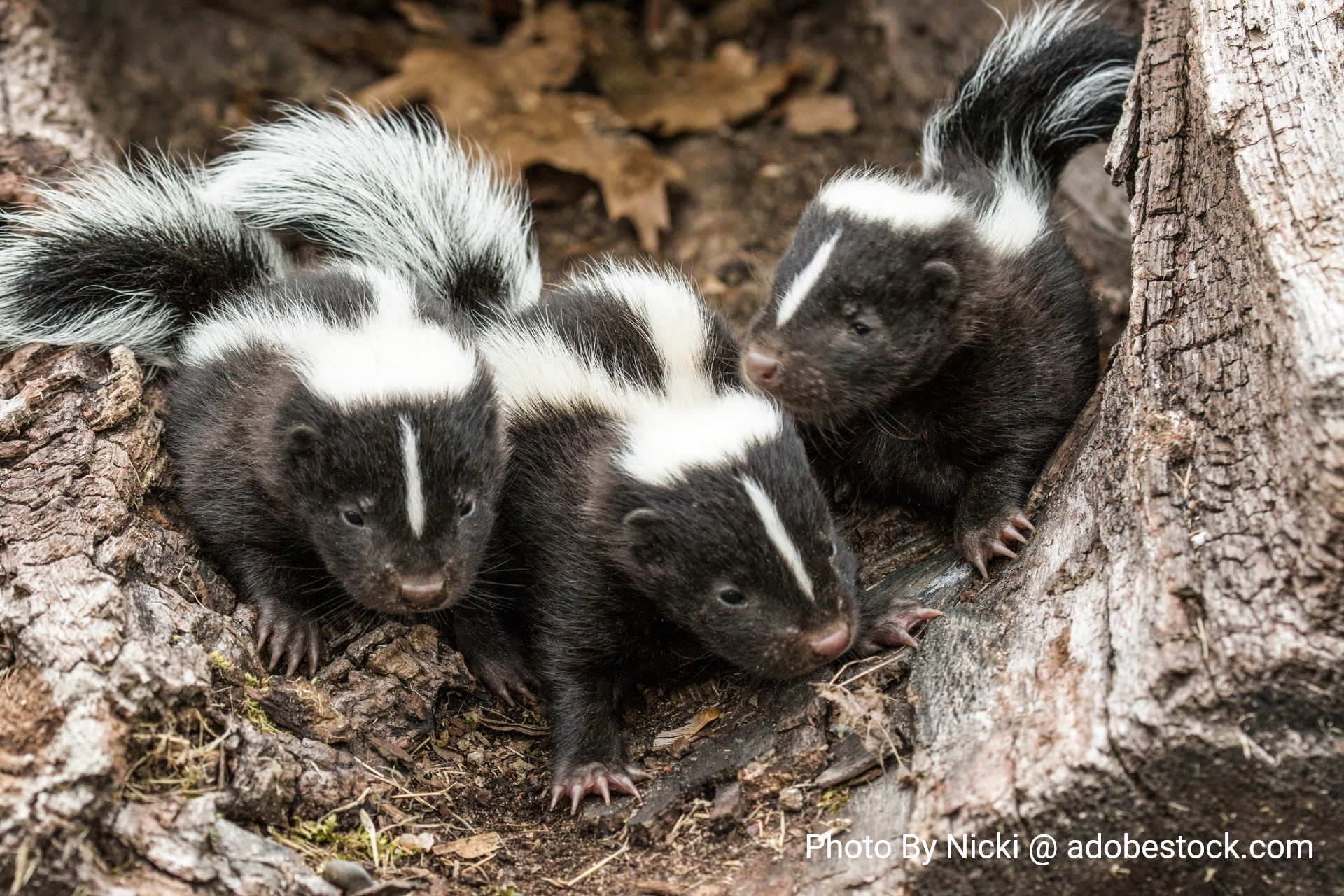
Baby skunks are called kits, and they are born in the spring in a safe, hidden den. When they are first born, kits are small, blind, and covered in soft fur, relying completely on their mother for warmth and care. Within a few weeks, their eyes open, and they begin to explore the world around them.
Kits stay close to their mother for several months, learning how to find food and stay safe. During this time, they practice important skills like digging and even learn how to use their famous spray as a defense. By the time they are ready to be on their own, they are more confident explorers, prepared for life as nighttime wanderers in the wild.
Skunks in Your Backyard
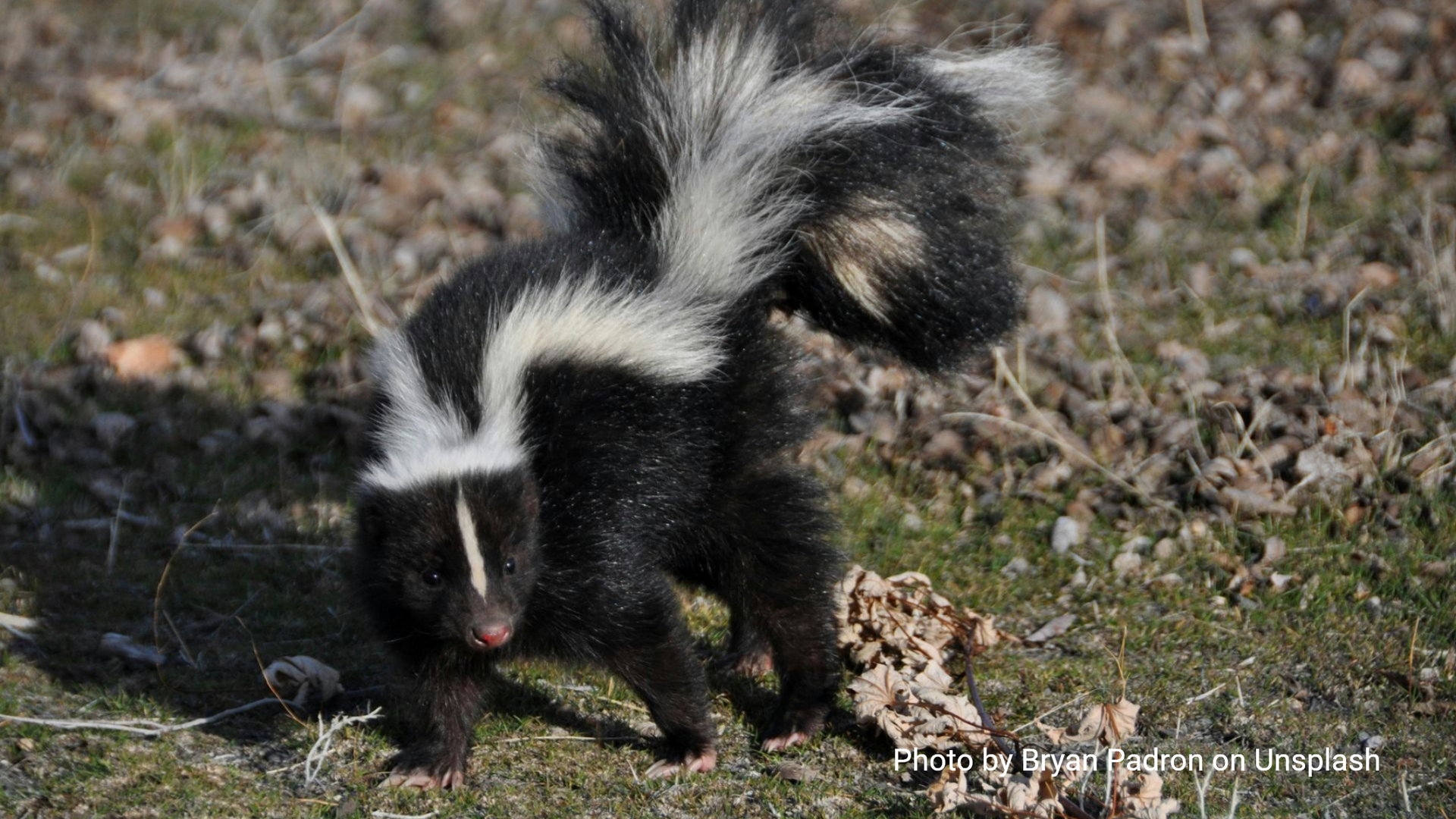
Skunks are part of your backyard ecosystem and sometimes wander into yards in search of food or shelter. While they can be stinky, they help our environment by:
- Controlling insect populations
- Cleaning up leftover food and waste
- Keeping nature balanced
What Should You Do If You See a Skunk?
- Stay calm and don’t run toward it
- Give the skunk space
- Keep pets away and keep them indoors at night
- Never try to touch or feed wild animals
Remember: skunks are not looking for trouble. They just want to be left alone.
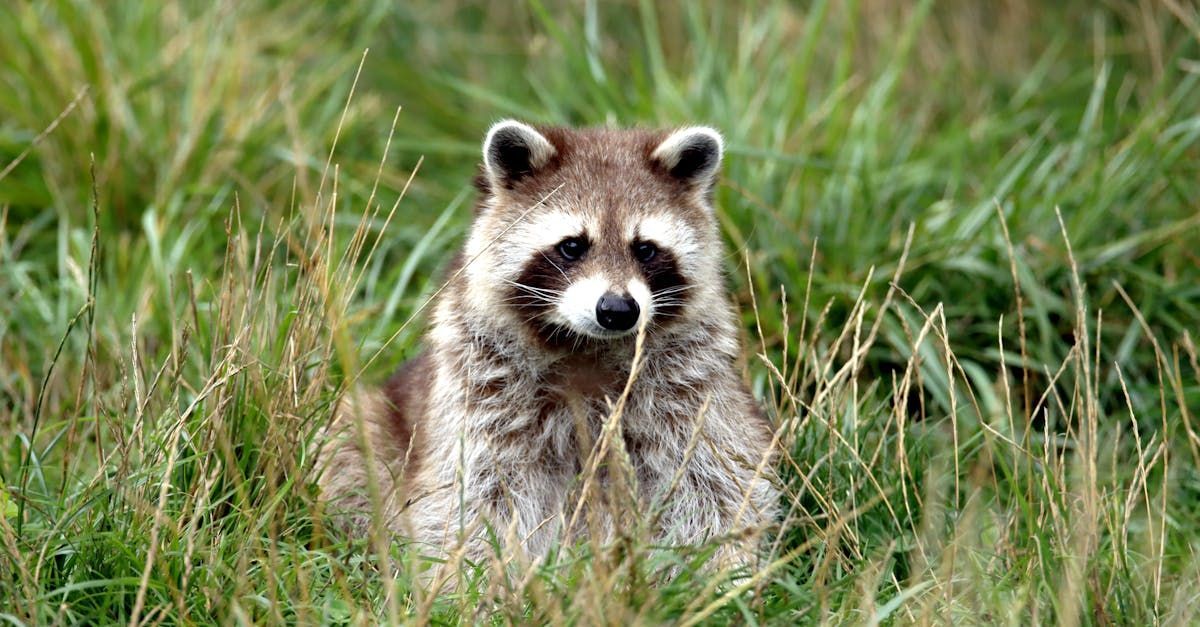
Who are their Neighbors?
Skunks share their habitat with other backyard-loving animals, such as
raccoons, which are often seen darting up and down branches, and
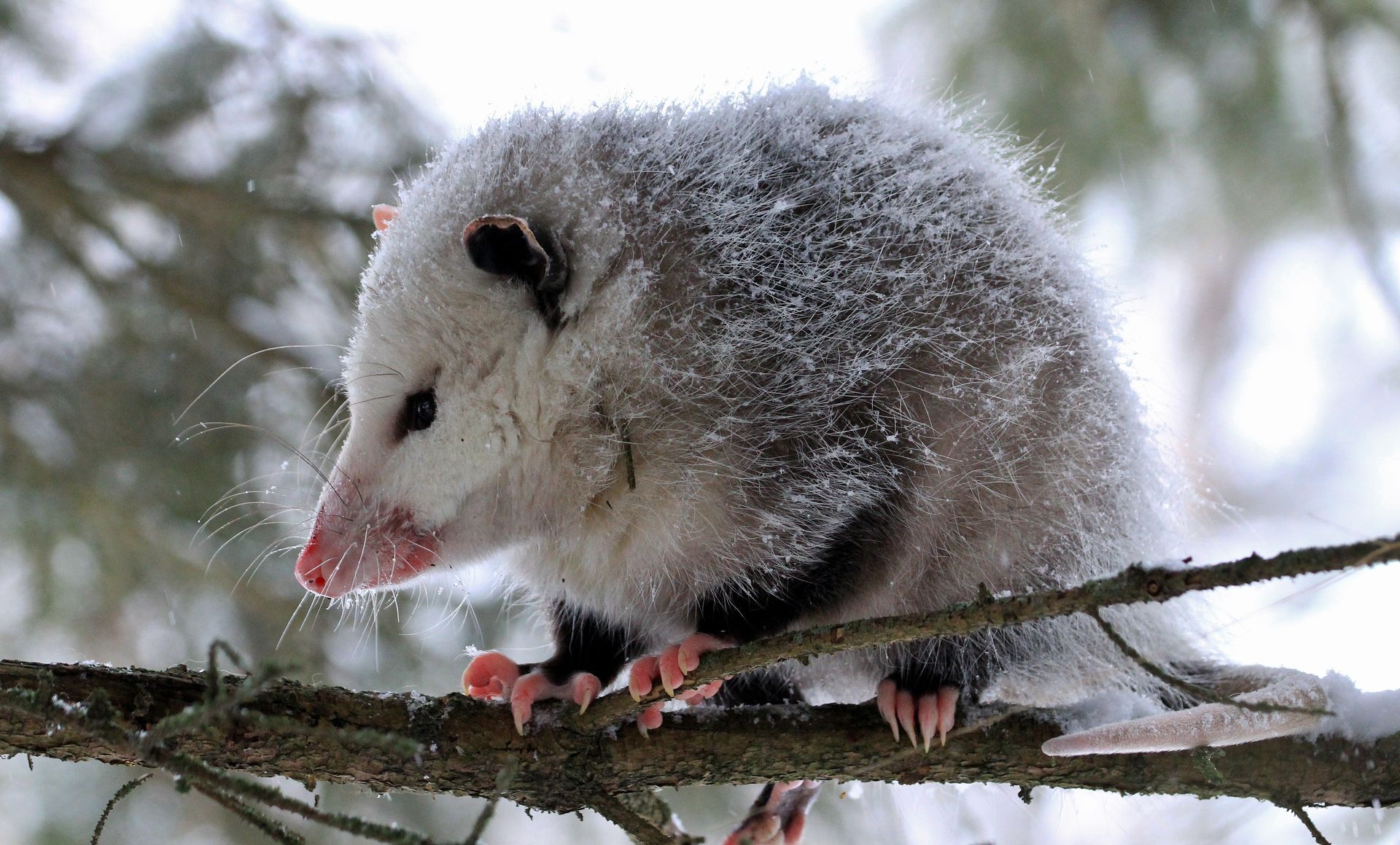
opossums, which use trees for shelter and safety. In some regions, they may also live near small
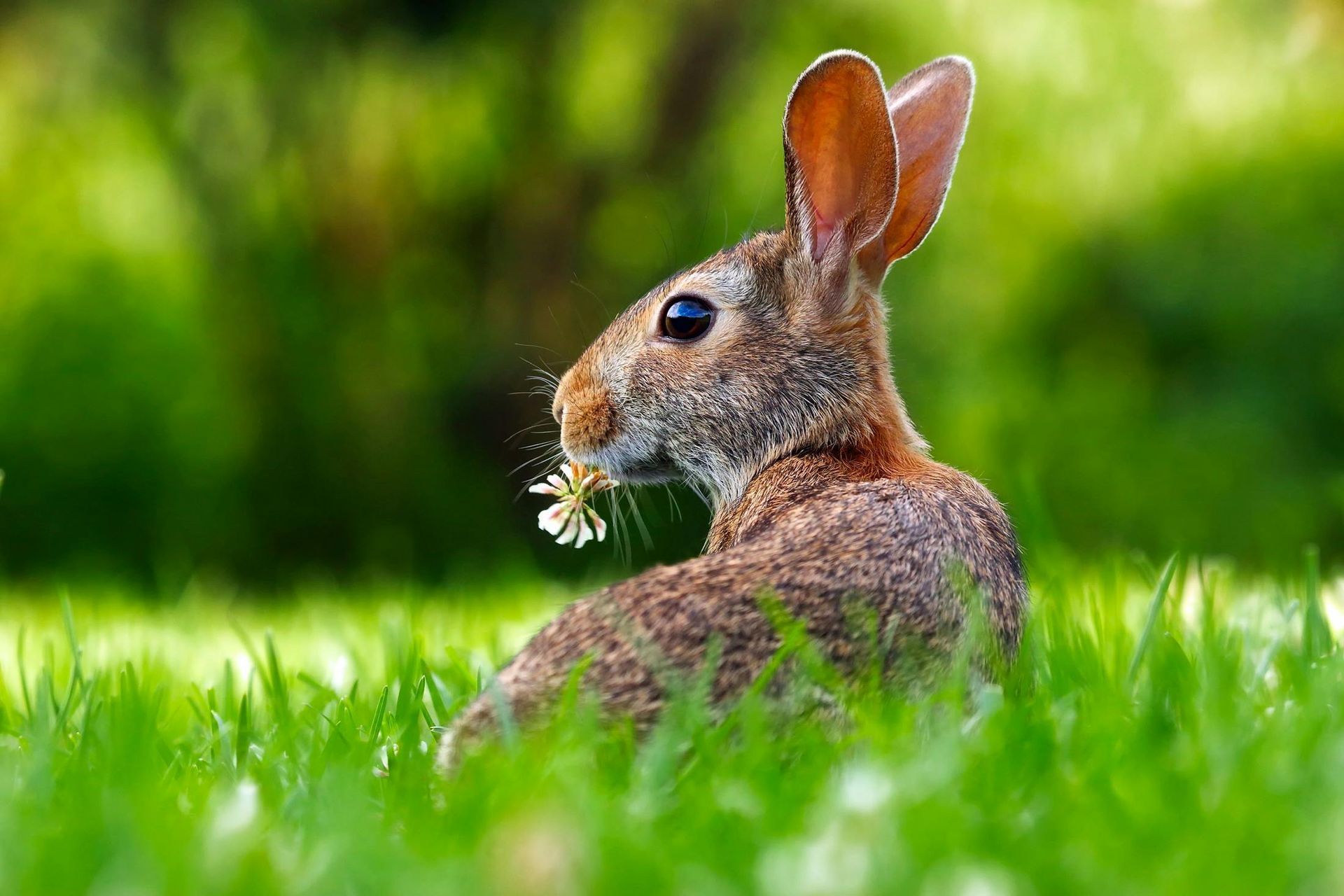
rabbits. Each one plays a different role in keeping your backyard healthy and full of life.
Skunk Themed Family Activities (Ages 3+)
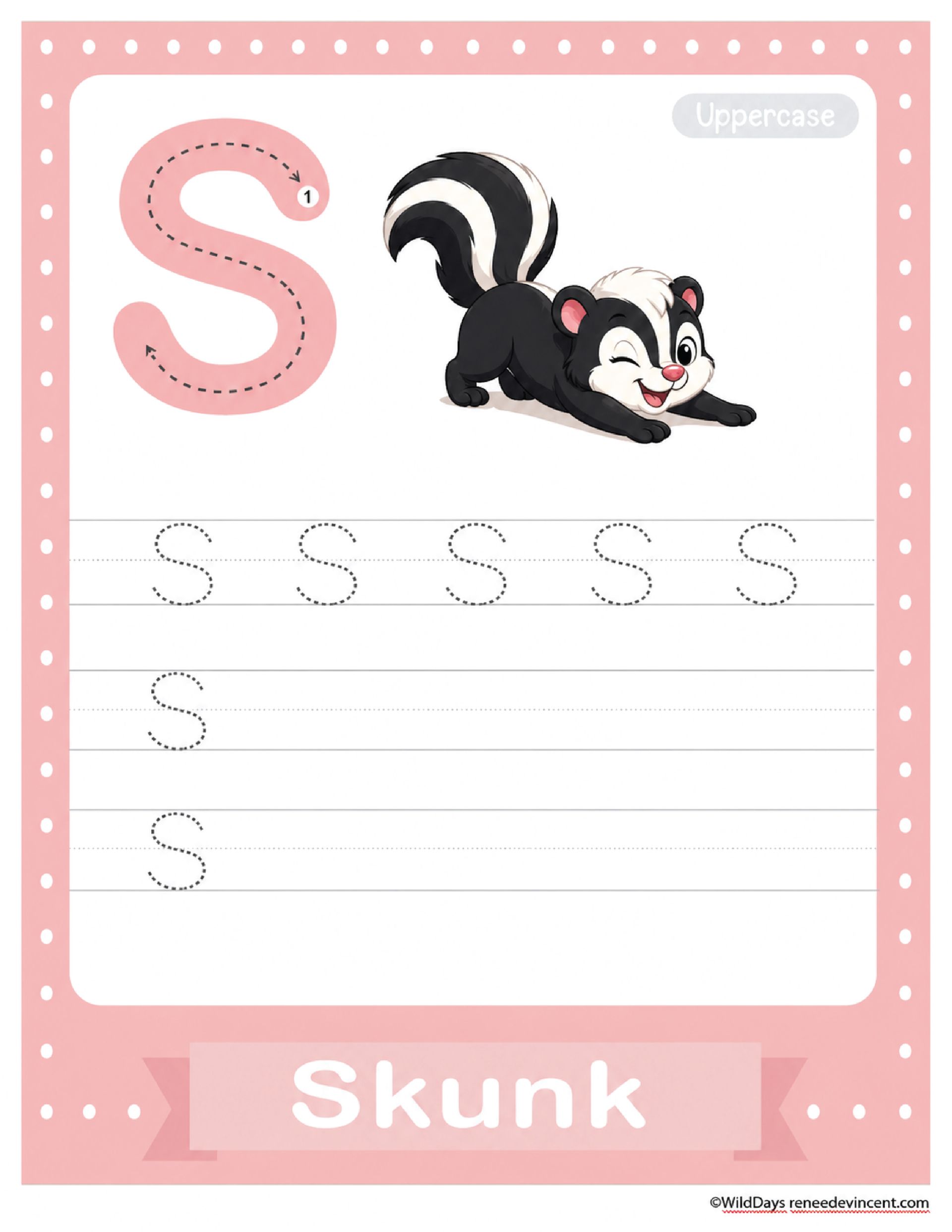
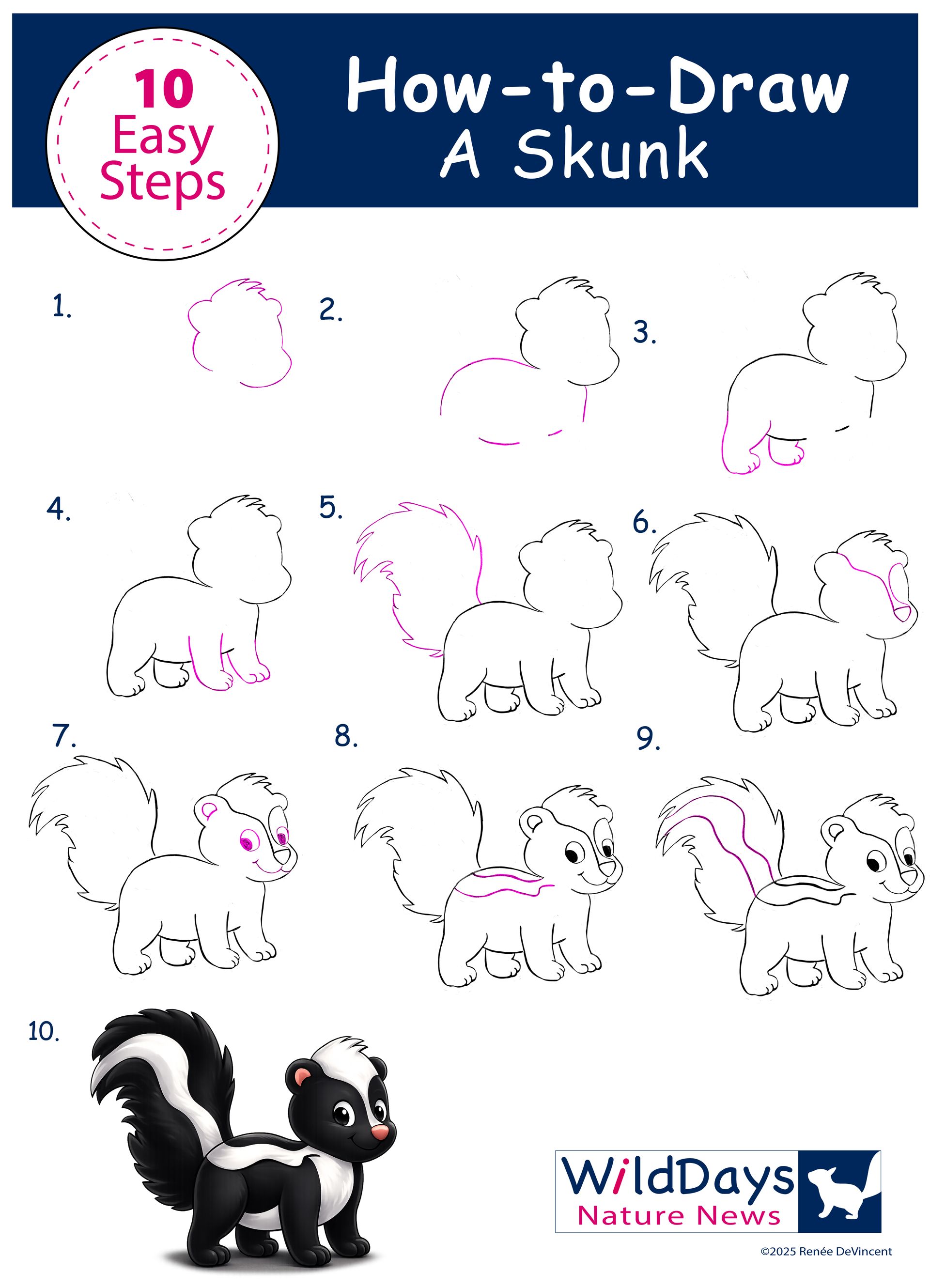
Patterns in Nature
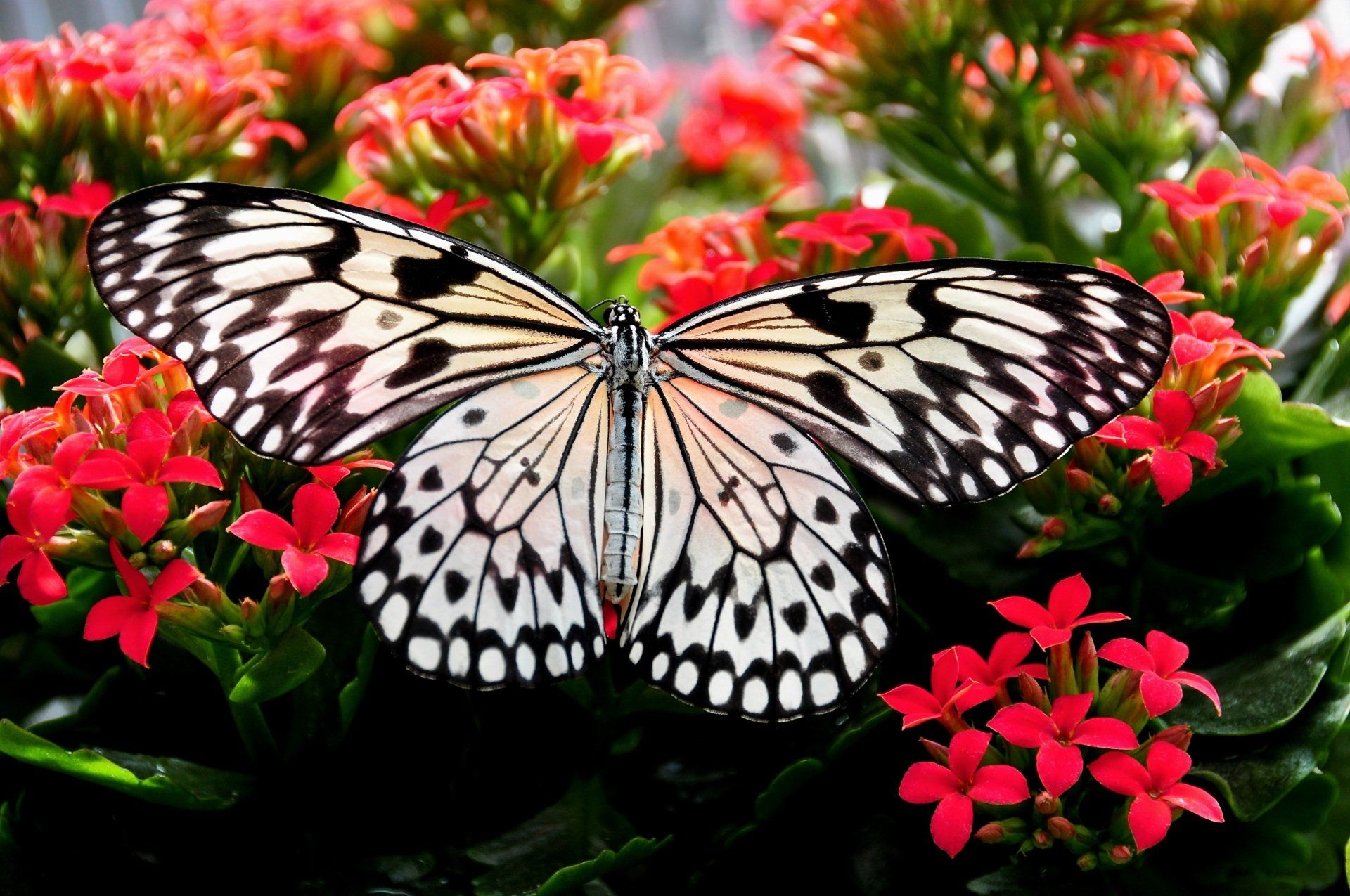
Skunks are easy to recognize by their bold stripes. Patterns are everywhere in nature!
Try this:
Go outside and look for patterns like:
- Stripes
- Spots
- Lines
- Repeating shapes
Create:
Draw a skunk and fill it with patterns you found in nature.
Please Share!
Explore more animals in our Backyard Animals Facts for Kids collection