Bobcat Facts for Kids (Tiny but Powerful Animals)
Mammals
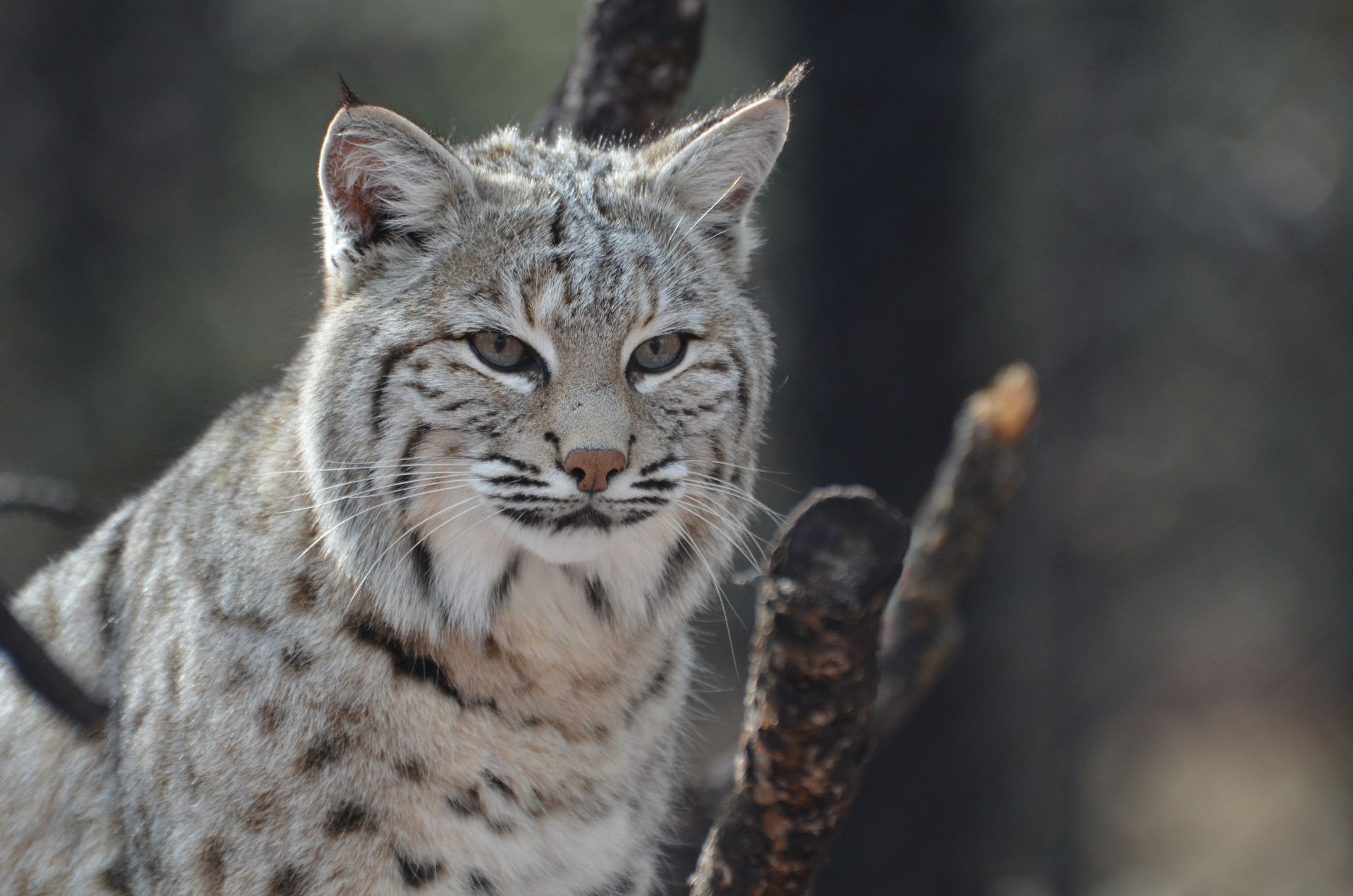
Tiny but powerful animals, with their soft-padded paws and keen senses, Bobcats move like whispers through their wintery habitats. These elusive wildcats thrive in the cold, their thick coats shielding them from frost while their sharp eyes pierce the night. Stealthy and resilient, they play a vital role in nature’s delicate balance, shaping the ecosystems we call home. Follow along with more bobcat facts for kids.
5 Short Facts About Bobcats
- Bobcats can leap up to 12 feet!
- With night vision six times sharper than humans, bobcats rely on their exceptional eyesight to hunt under the cover of darkness.
- Bobcats can run up to 30 miles per hour but prefer short bursts to long chases.
- The bobcat gets its name from its short, "bobbed" tail, which measures 6 to 7 inches long—unlike many other wild cats’ long, flowing tails.
- Bobcats and lynx are often mistaken for the same animal but are distinct species. Interestingly, hybrid offspring called "blynx" have been documented in the wild.
Bobcat Vs. Housecat
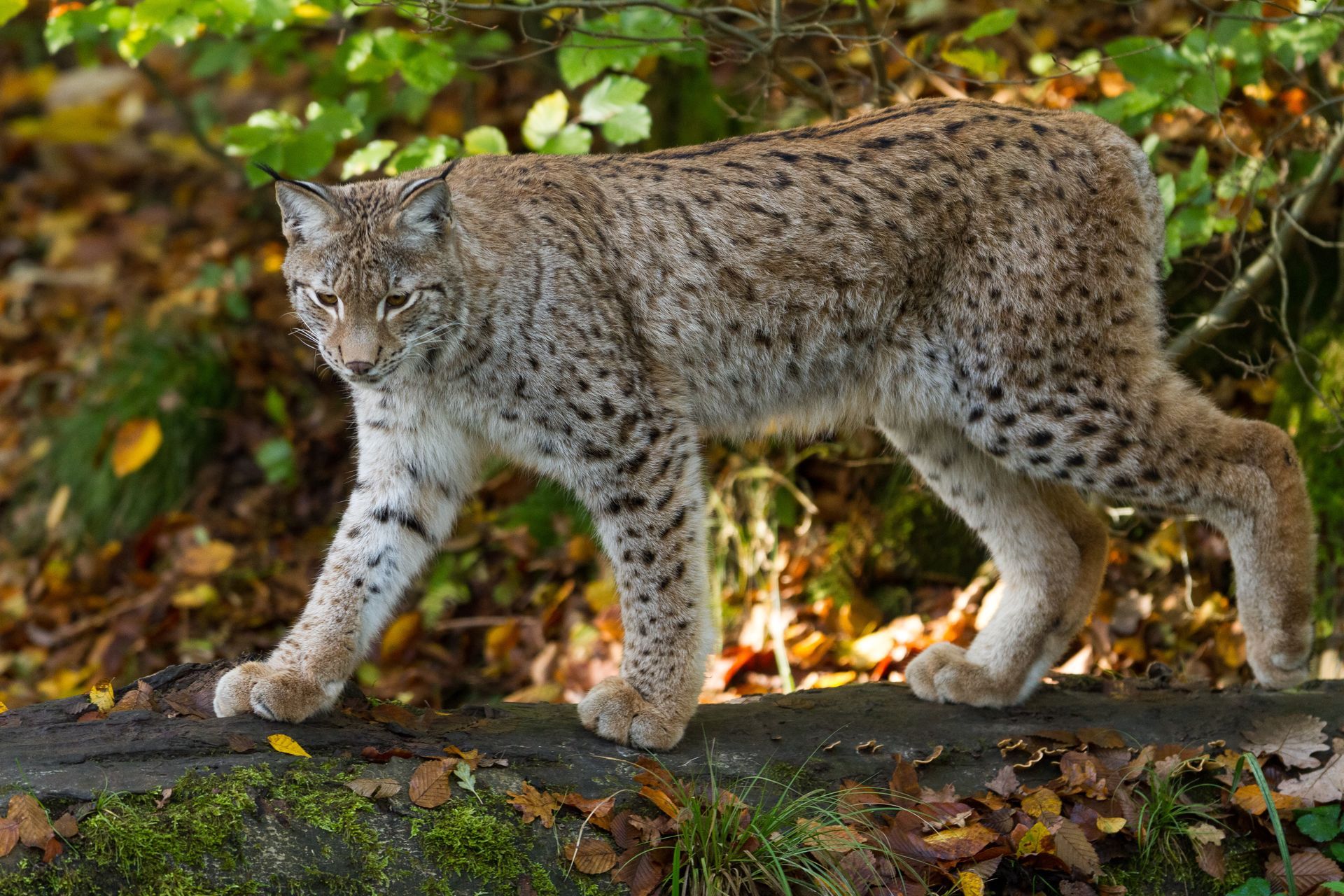
Bobcats are some of North America's most adaptable wildcats. They are part of the animal family Felidae, which includes both house cats and big cats like cheetahs, lions, leopards, and tigers. While bobcats are part of the cat family, they are wild and known as lynxes. Lynx are a medium-sized short-tailed wildcat and a different animal than the house cat.
There are four types of lynx in the world: the Canada lynx, the Iberian lynx, the Eurasian lynx, and the bobcat. Of these, bobcats are the smallest and are unique to North America. Despite their size, bobcats are powerful hunters and have adapted to thrive in many areas, such as forests, deserts, mountains, or even near cities and suburbs.
What are Baby Bobcats Called?
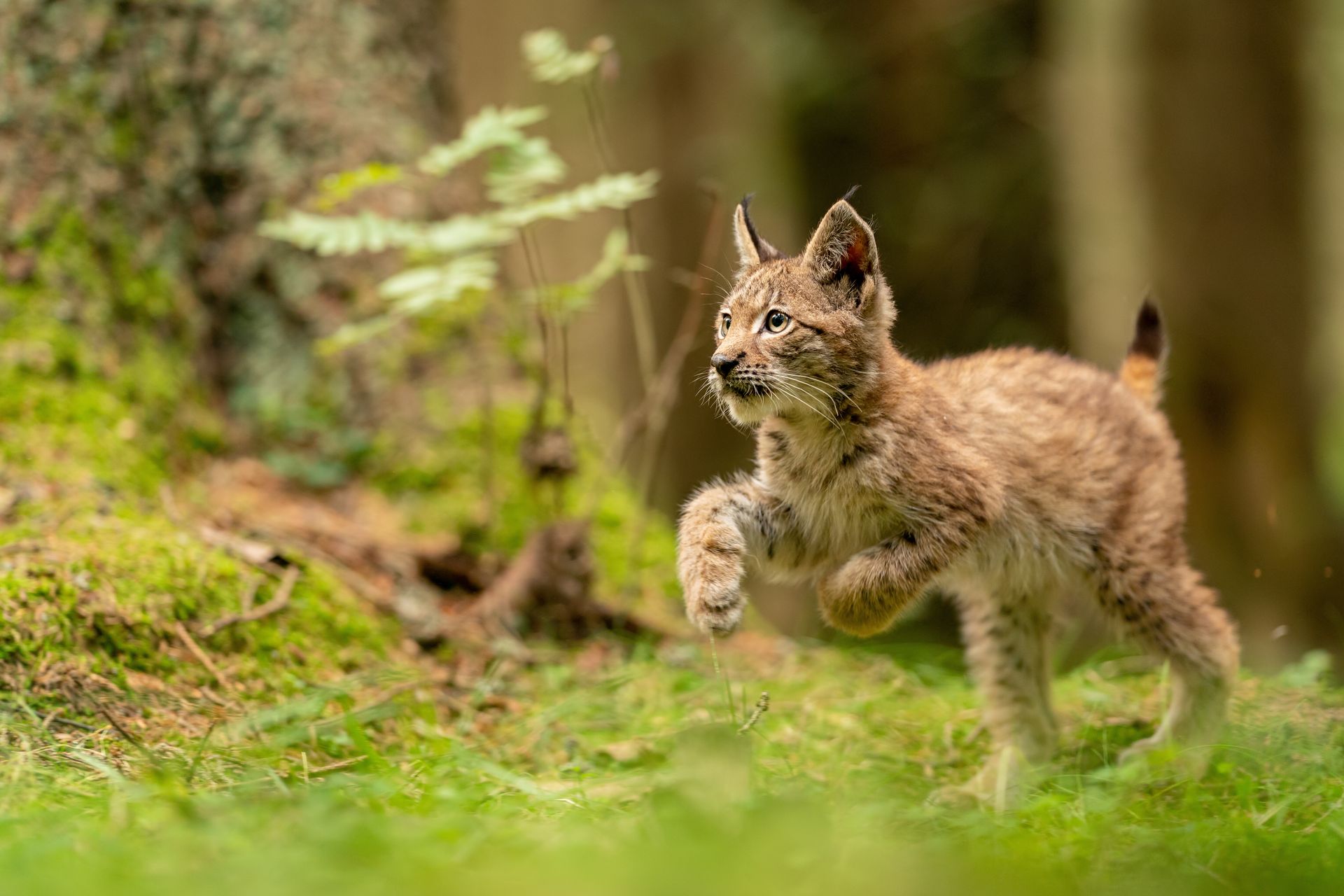
Unlike lions or other wildcats that live in groups, bobcats spend most of their lives alone, except when raising babies or during mating season. Baby bobcats, called kittens, are born in cozy dens carefully prepared by their mother. She lines the den with moss, leaves, and other soft materials, choosing safe spots like hollow trees or a cave for her kittens.
Kittens are typically born in the spring. The mother nurses them for about two months. During this time, the father stays away, though he often is nearby. The kittens remain with their mother for 9 to 12 months, learning how to hunt and survive before venturing on their own.
What Do Bobcats Eat?
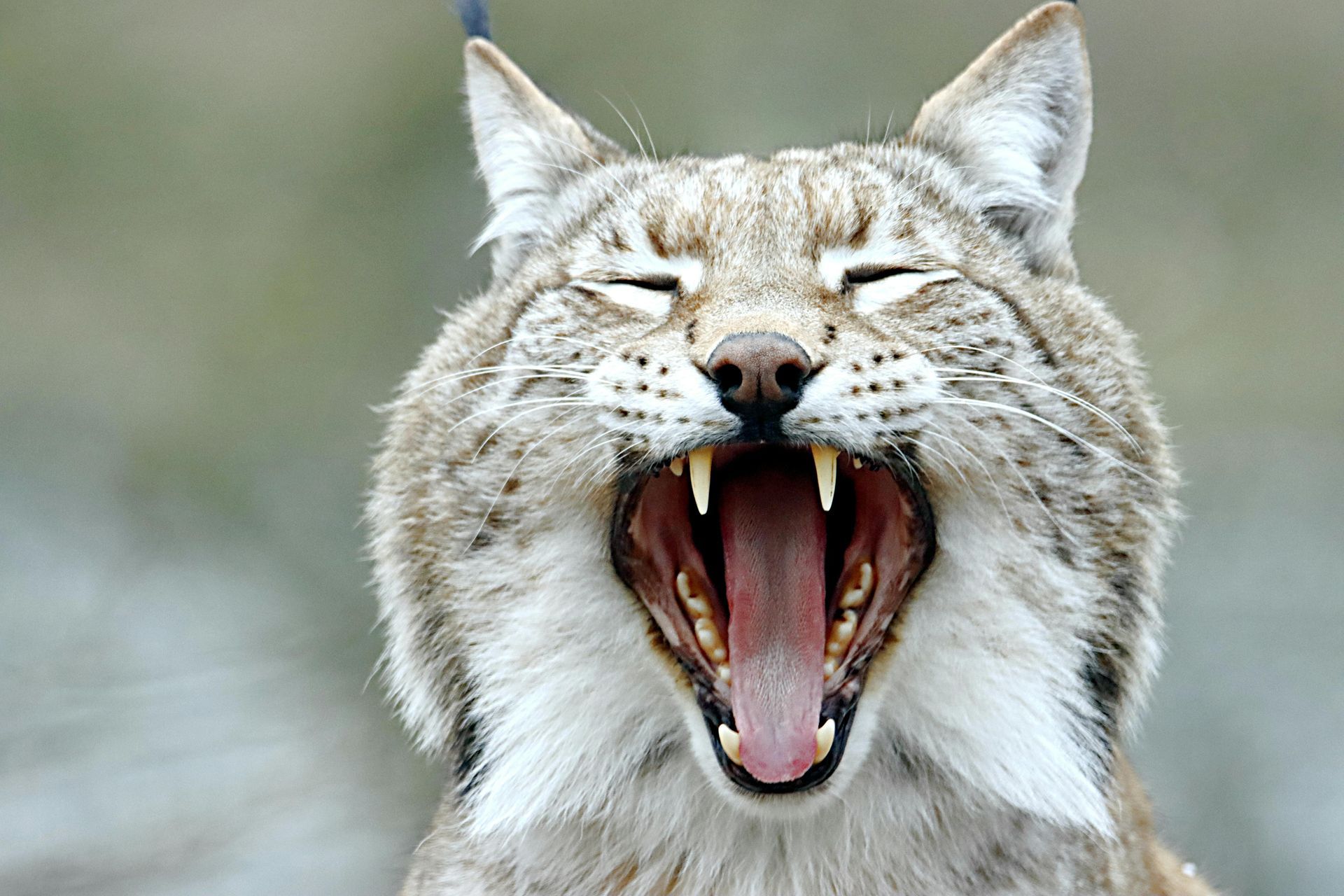
Bobcats are carnivores, which means they eat meat. Their favorite meals include rabbits, squirrels, birds, and mice. Sometimes, they’ll even catch small deer or fish. Bobcats move silently through their habitats, making them stealthy hunters because their prey rarely detects them. Their sharp eyesight and incredible night vision—six times better than a human’s—allow them to hunt effectively, even in the dark.
Bobcats in Your Backyard
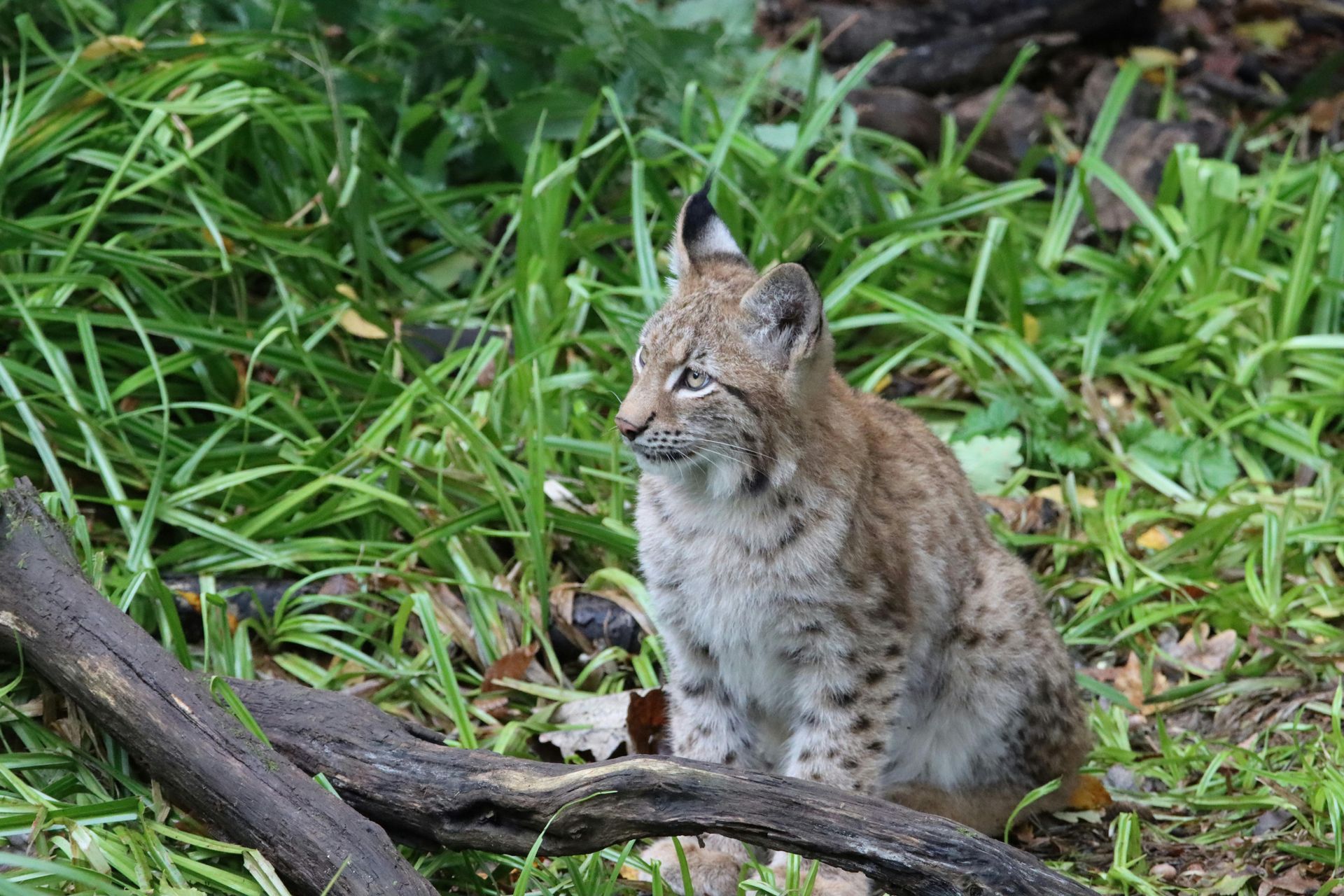
Bobcats sometimes wander into yards in search of food, especially in areas near forests or open land. They are quiet and elusive animals, so they are rarely seen, but they may pass through at night while hunting small prey. Because they are skilled predators, their presence is usually noticed through signs rather than sightings.
How to spot signs of porcupines:
- Tracks with round paws and no claw marks
- Scat (droppings) that may contain fur or bones
- Scratch marks on logs or trees
- Evidence of prey, such as feathers or small animal remains
Managing backyard visits:
- Keep small pets indoors, especially at night
- Remove food sources like pet food or unsecured trash
- Clear dense brush where prey animals might hide
- Install motion lights to discourage nighttime activity
Who are the Bobcat Neighbors
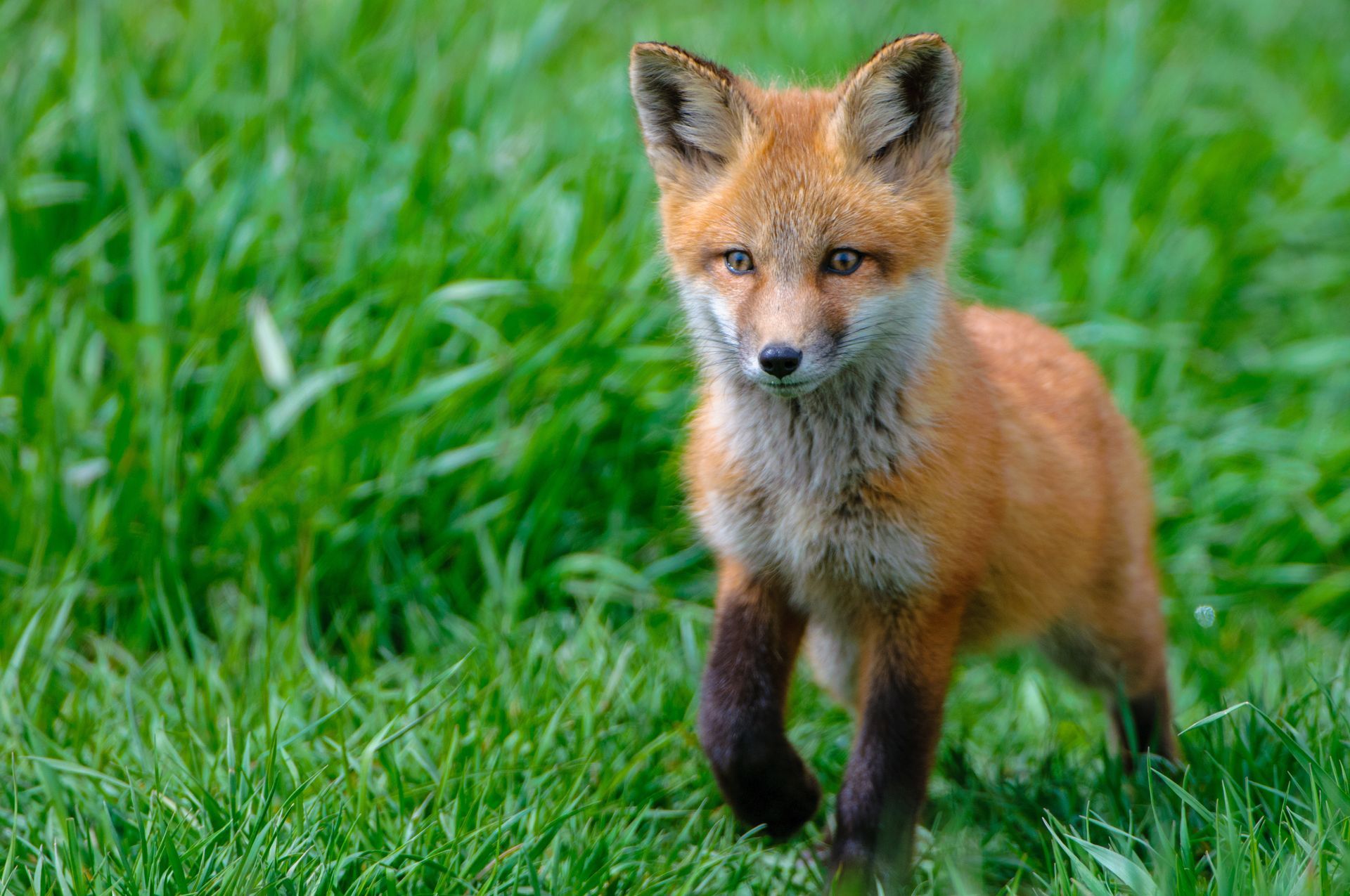
Bobcats share their habitats with other wildlife, such as clever
foxes and
deer, which are common in forests and open fields. In some regions, they may also live near
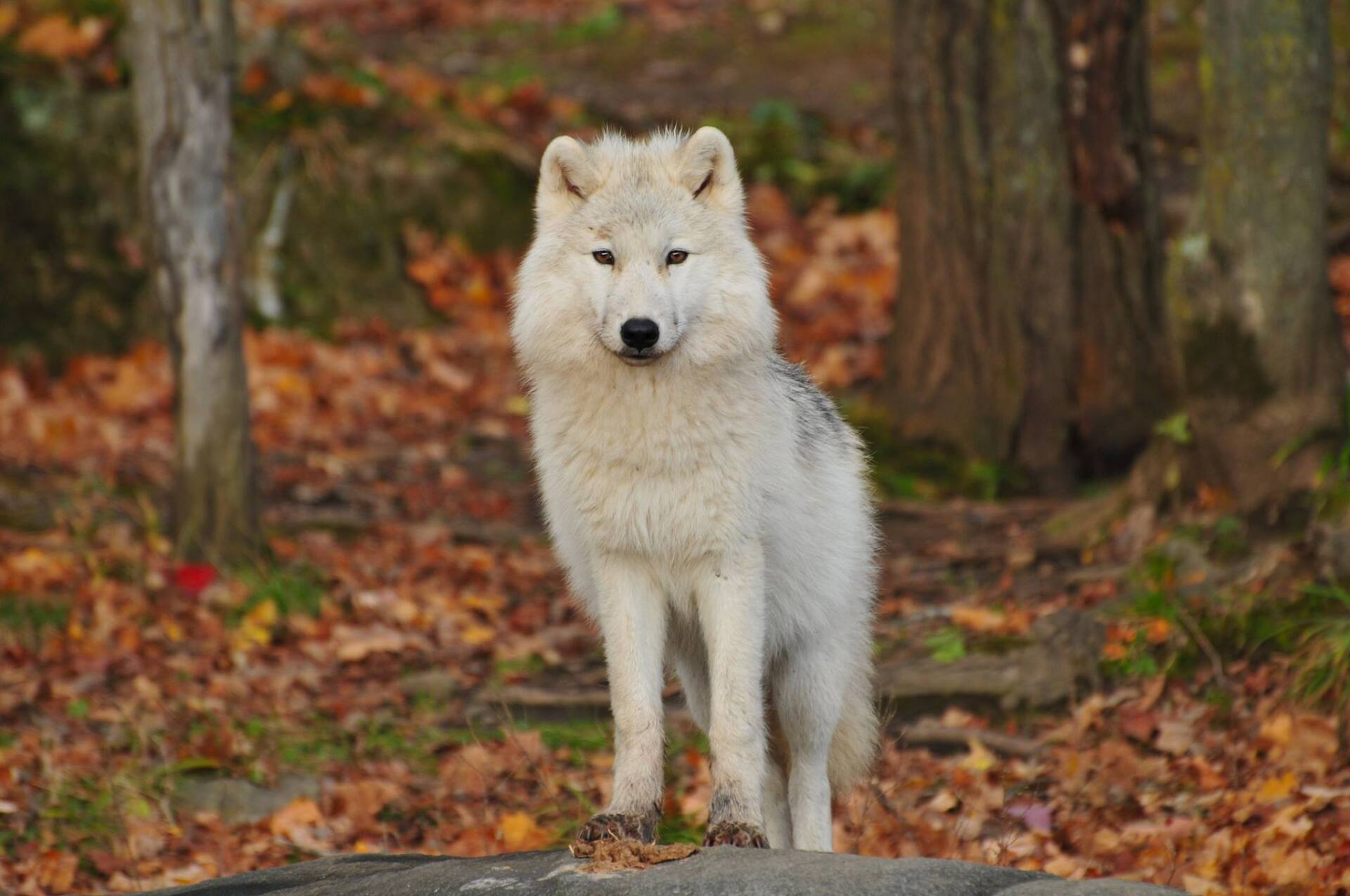
wolves, creating a diverse and balanced ecosystem where predators and prey interact.
Bobcat Themed Family Activities (Ages 3+)
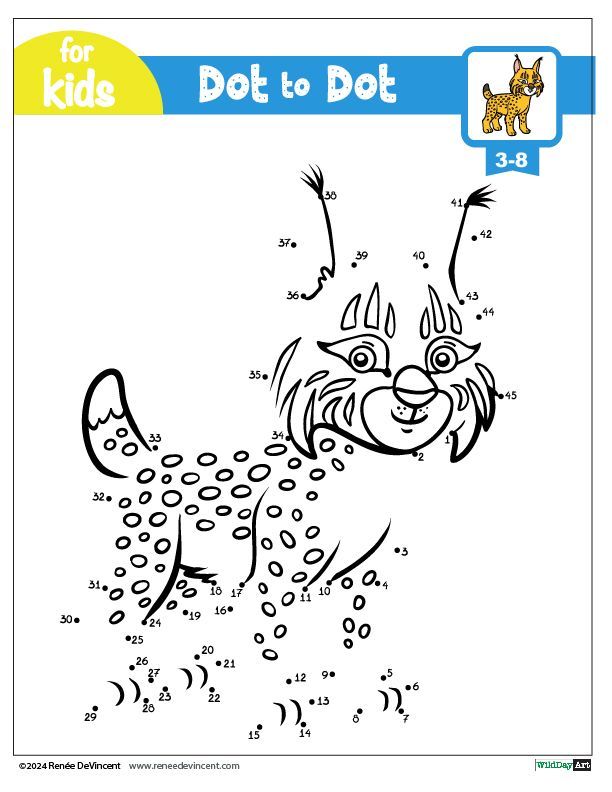
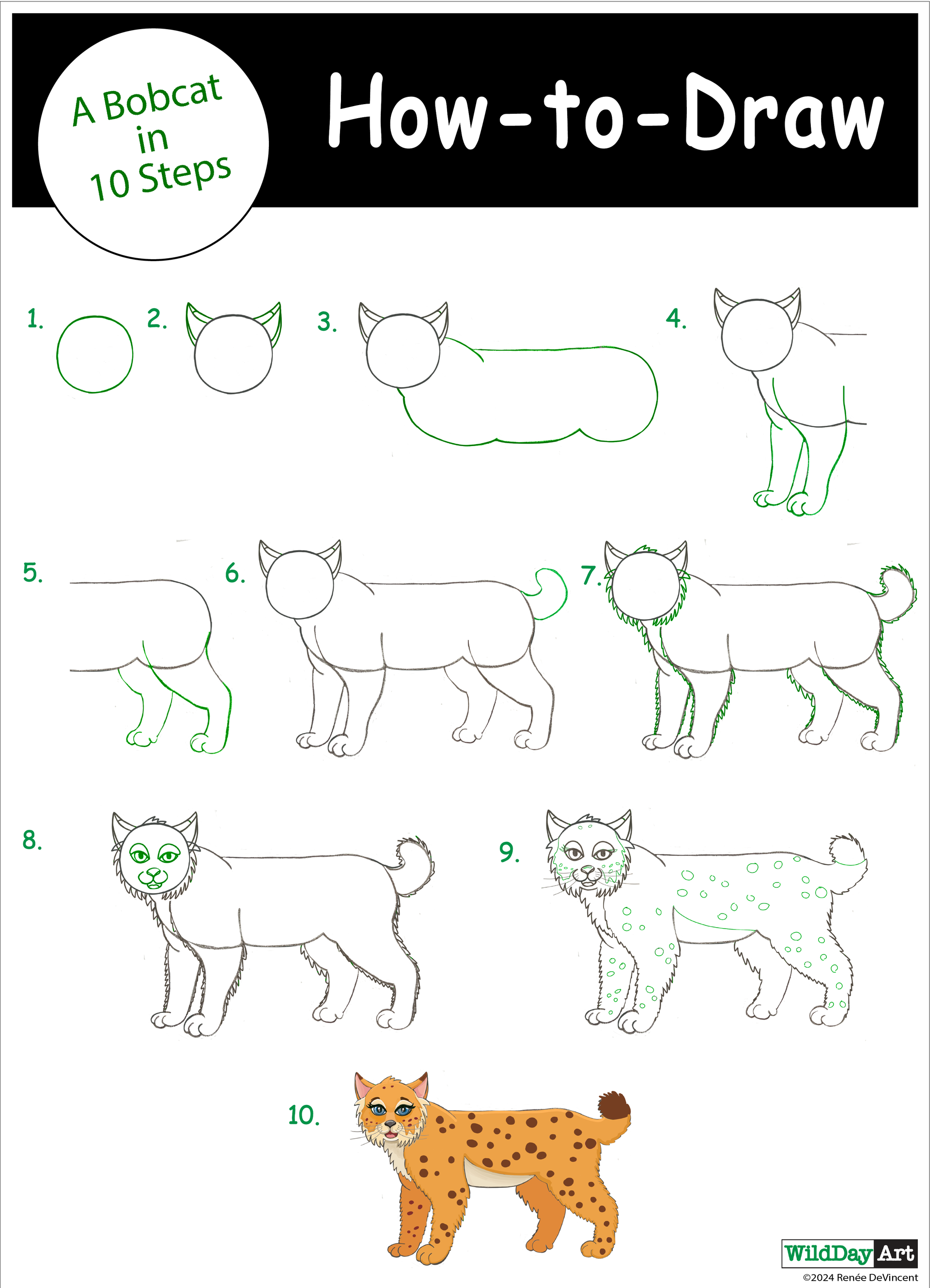

Bobcat Tracks Treasure Hunt
What You Need: Printouts of bobcat paw prints (or create stencils), paper or cardboard, and markers.
How to Play: Cut out or draw bobcat paw prints and hide them along a nature trail or your backyard. Create clues that teach something about bobcats as kids follow the tracks. For example, "Bobcats love to climb trees—look for the next track near a branch!"
Educational Twist: Talk about how bobcats use their tracks to mark their territory and how they hunt silently.

Build a Bobcat Den
What You Need: Sticks, leaves, moss, and other natural materials from the yard.
How to Play: Encourage kids to build a "den" similar to where bobcats would raise their kittens. Use a hollowed-out cardboard box for the base if you want a sturdier structure.
Educational Twist: Discuss how bobcats line their dens with soft moss and foliage and why dens are essential for their survival.

Bobcat Obstacle Course
What You Need: Household or outdoor items like hula hoops, cones, pool noodles, or logs.
How to Play: Set up an obstacle course that mimics a bobcat's agile movements. Include jumps (for their leaping skills), crawl spaces (to mimic hunting in low cover), and tightropes (for their balance).
Educational Twist: Teach about bobcats' incredible physical abilities, like leaping 12 feet in a single jump.

Wildlife Journal
What You Need: A notebook, colored pencils, and a small field guide to local wildlife.
How to Play: Go for a nature walk and look for signs of wildlife, like tracks, claw marks on trees, or small animal dens. Write down or draw what you see.
Educational Twist: Explain how bobcats are masters of stealth and camouflage, which makes them difficult to spot in the wild.

Backyard Camouflage Game
What You Need: Brown, tan, and gray fabric or old clothes to mimic a bobcat’s fur.
How to Play: One person plays the "bobcat" and tries to blend in with the environment while others try to spot them.
Educational Twist: Talk about how bobcats’ fur changes with the seasons to help them hide from predators and prey.

Wildlife Scavenger Hunt
What You Need: A checklist of wildlife or habitat clues, like "Find a tree a bobcat might climb" or "Spot a bird bobcats might hunt."
How to Play: Explore a park, trail, or backyard to find items on the list. Bonus points if you find tracks or other bobcat signs!
Educational Twist: Explain how bobcats interact with their environment and the types of prey they hunt.
Article Sources:
Please share!
Explore more animals in our Backyard Animals Facts for Kids collection