American Bald Eagle Facts for Kids
Birds | Forest habitat
Have you ever spotted a huge bird soaring high above a lake or river? If it had a bright white head and tail with a dark brown body, you may have seen an American bald eagle. These amazing birds are one of the largest birds of prey in North America and are the national bird of the United States. Even though they look fierce, bald eagles spend much of their time fishing and caring for their families. Let's discover some incredible bald eagle facts!
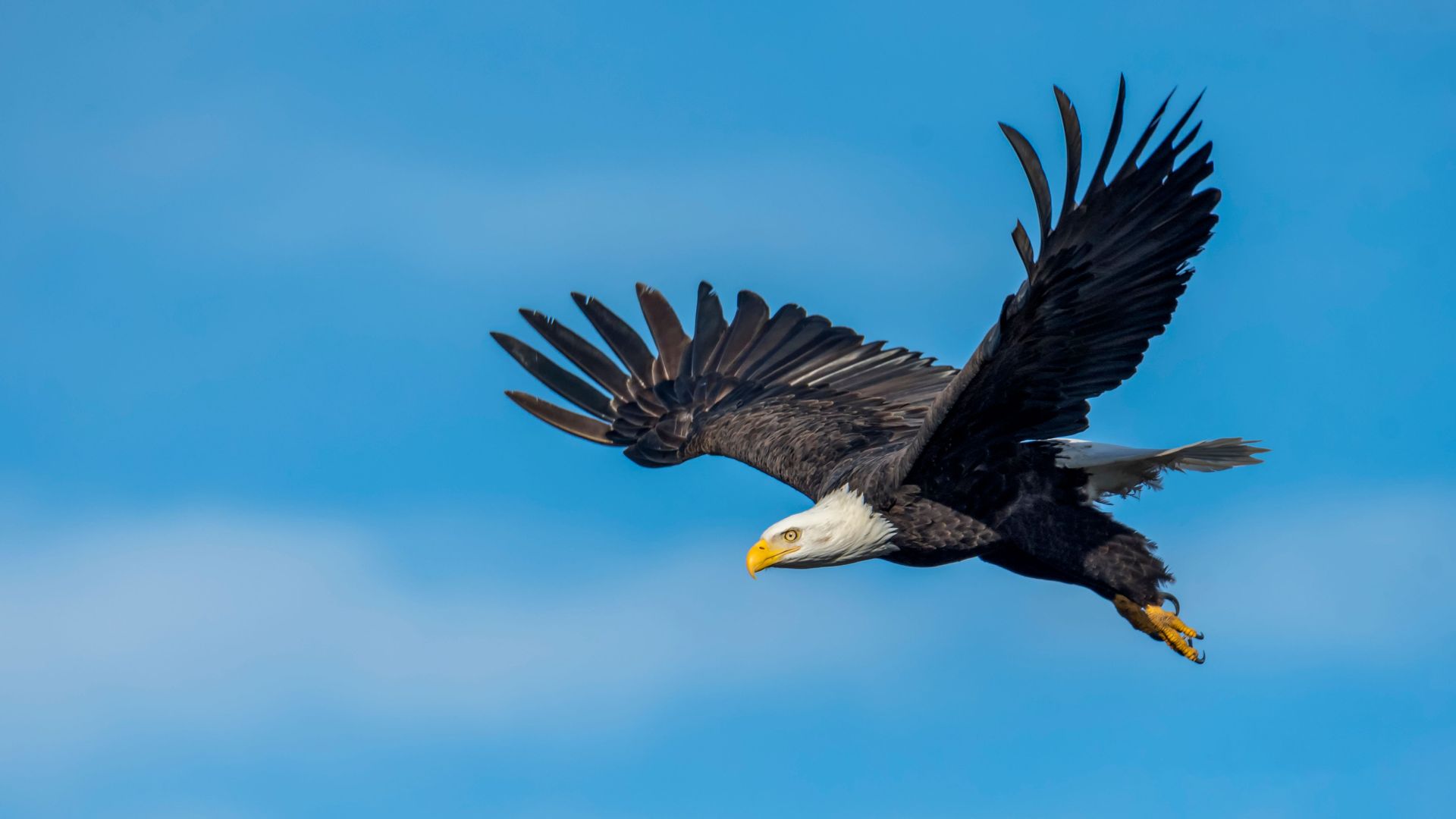
5 Short Facts About the Bald Eagle
- Bald eagles can fly 35 to 45 miles per hour and dive even faster.
- They have some of the largest bird nests, measuring more than 8 feet wide and can weigh over 2,000 pounds.
- Bald eagles can soar for hours without flapping their wings by riding warm air currents called thermals.
- It takes a young bald eagle 4 to 5 years to grow its famous white head and tail feathers.
- Their feet have rough, spiky pads that help them grip slippery fish.
More About the Bald Eagle
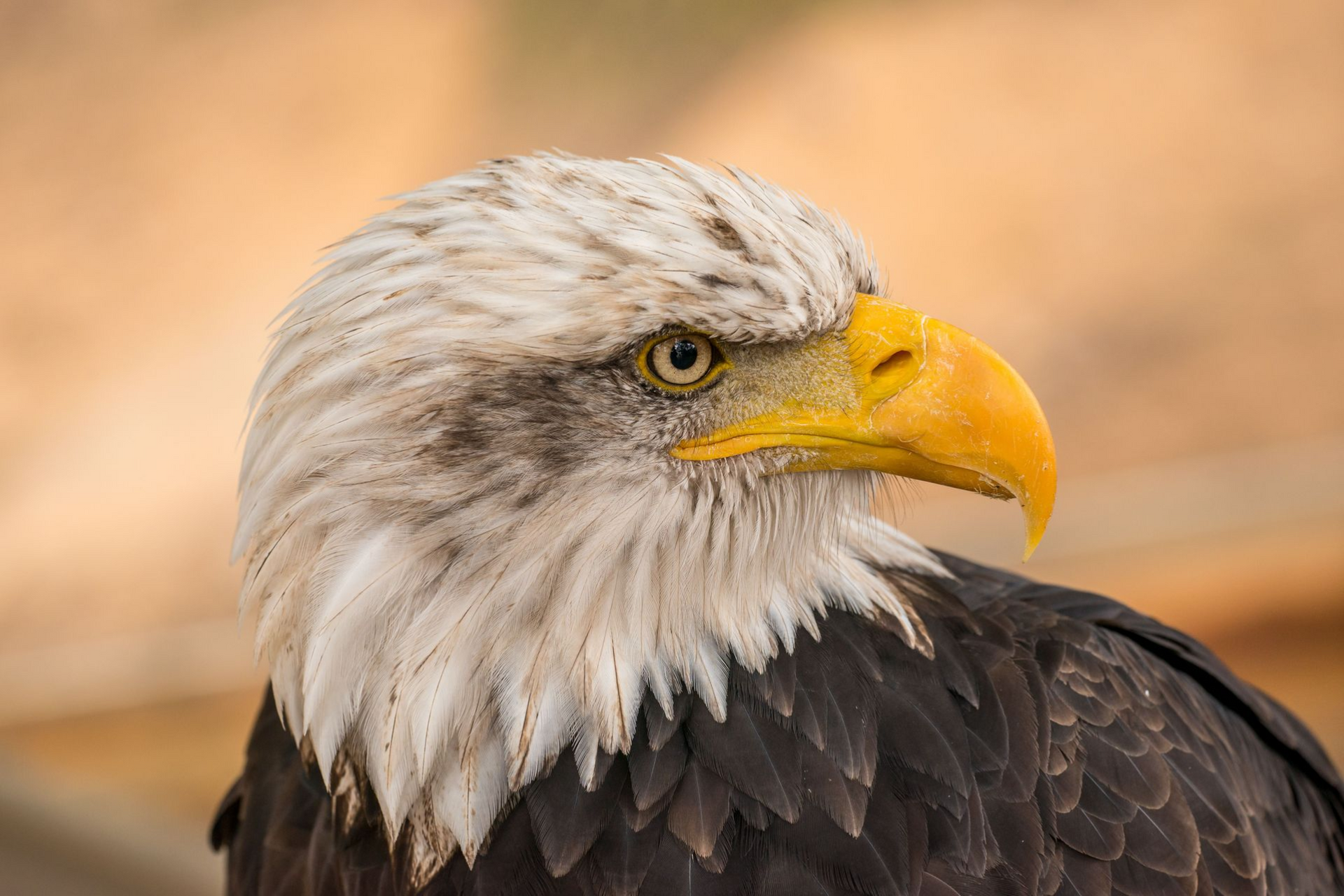
Bald eagles are part of the raptor family. A raptor is a carnivorous bird that hunts and feeds on other animals. They are expert hunters and eat many types of food that include:
- Fish
- Ducks and other water birds
- Rabbits
- Squirrels
- Turtles
- Carrion (dead animals)
Here are a few other bald eagle facts:
- Wingspan: 6 to 8 feet
- Length: 28 to 40 inches
- Weight: 6.5 to 14 pounds
- Lifespan: 20 to 30 years in the wild
Where Do Bald Eagles Live?
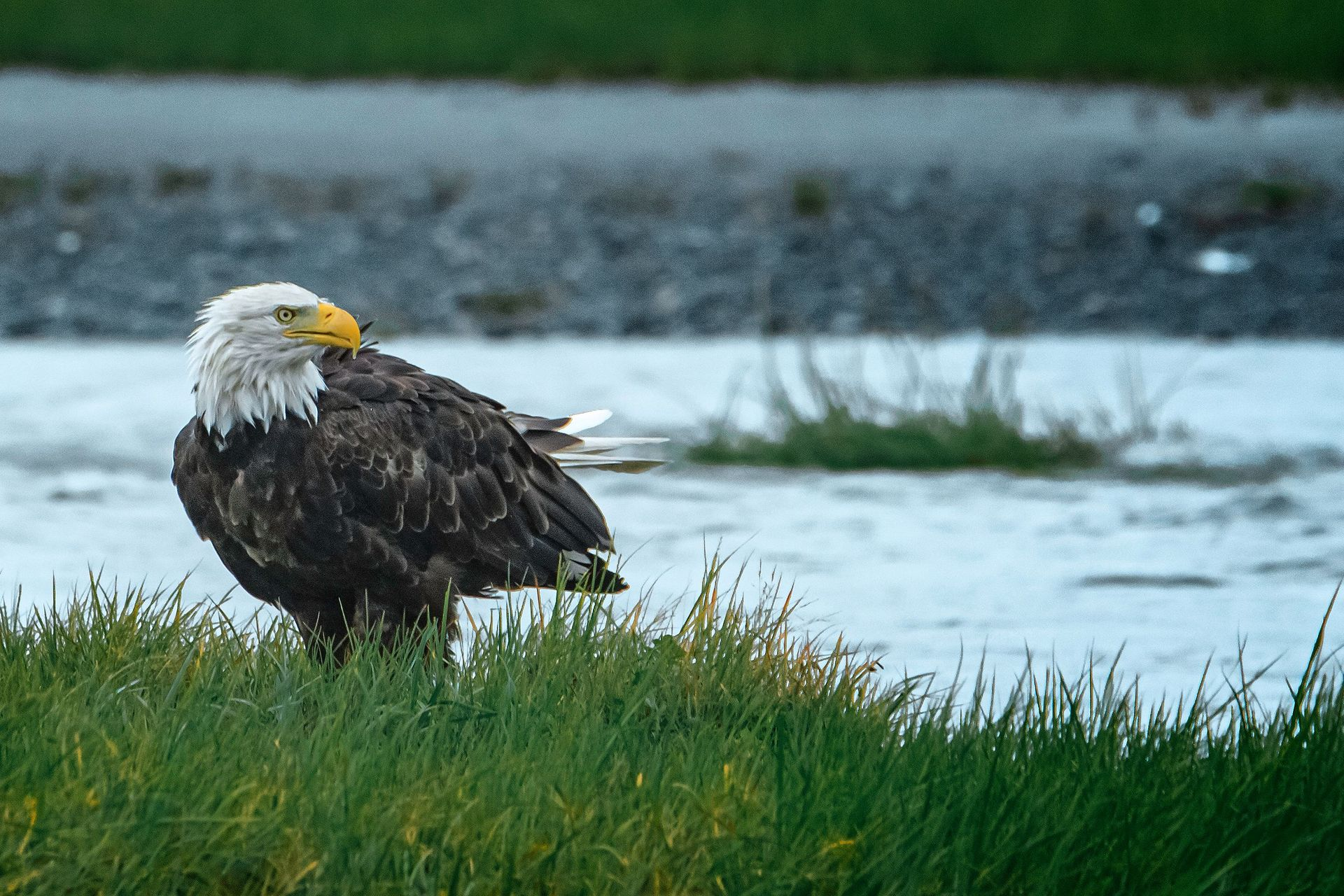
Bald eagles live only in North America, near lakes, rivers, wetlands, reservoirs, and coastlines. They can be found across Canada, the United States, and parts of northern Mexico. They like to live near water because fish are their favorite food. They build enormous nests in tall trees or sometimes on cliffs where they have a great view of the water.
Why Are They Called Bald Eagles?
The bald eagle isn't actually bald. The word "balde" comes from an Old English word that meant "white-headed." Adult bald eagles have snowy white feathers on their heads and tails that stand out against their dark brown bodies. Their white heads can be spotted easily high in the sky.
Young bald eagles are mostly brown and don't get their famous white head and tail until they are about 4 or 5 years old.
How Bald Eagles Are Built for Survival
Incredible Eyesight
A bald eagle can see about four to five times better than a human. It can spot a fish swimming near the surface from hundreds of feet in the air.
Sharp Talons
Their powerful feet have long, curved talons that help them grab slippery fish and hold onto prey.
Strong Beak
Their hooked yellow beak is perfect for tearing food into smaller pieces.
Huge Wings
With wings that can stretch up to 8 feet across, bald eagles can soar for hours while using very little energy.
Life as a Baby Bald Eagle
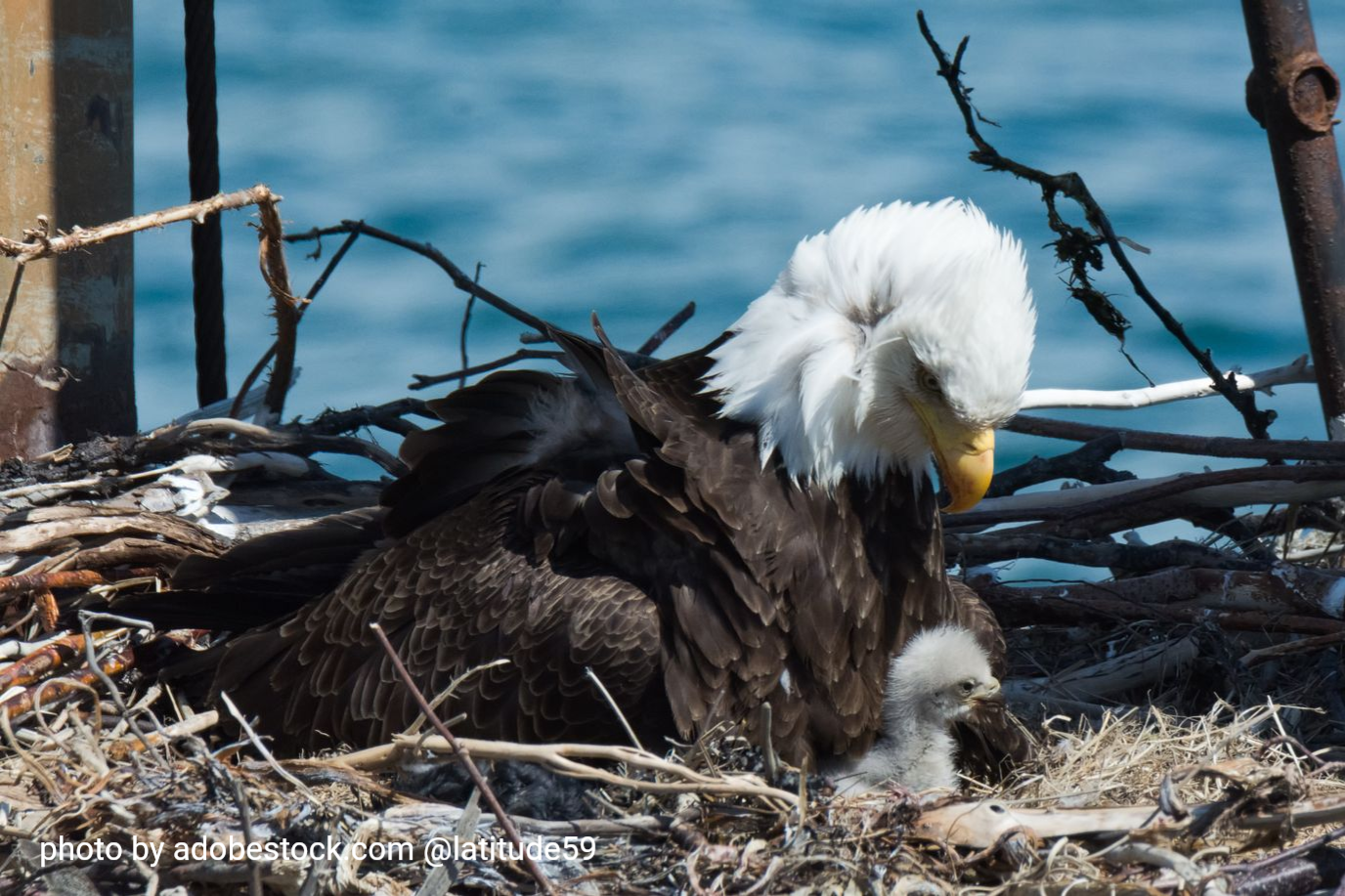
Baby bald eagles are called chicks. Their parents stay together for life. Every year, the pair returns to the same nest and adds more sticks, making it larger and larger over time. The nests can become so large that they weigh 2000 pounds, over a ton! Their nest is called an aerie (AIR-ees).
The female eagle lays one to three eggs. After about 35 days, the chicks hatch covered in soft gray down feathers. Both parents help feed and protect them until they are ready to fly at around 10 to 12 weeks old.
Bald Eagles in Your Backyard
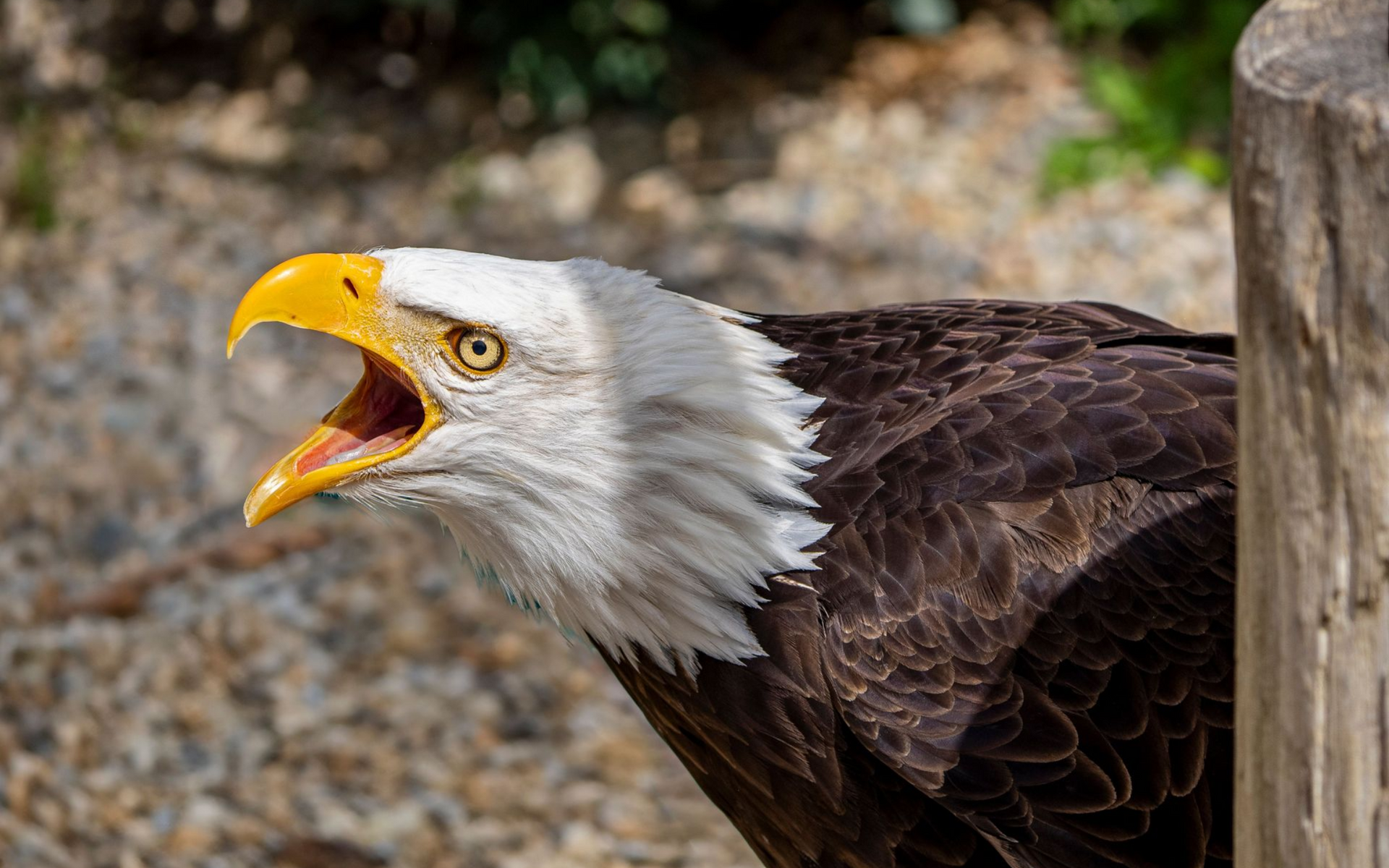
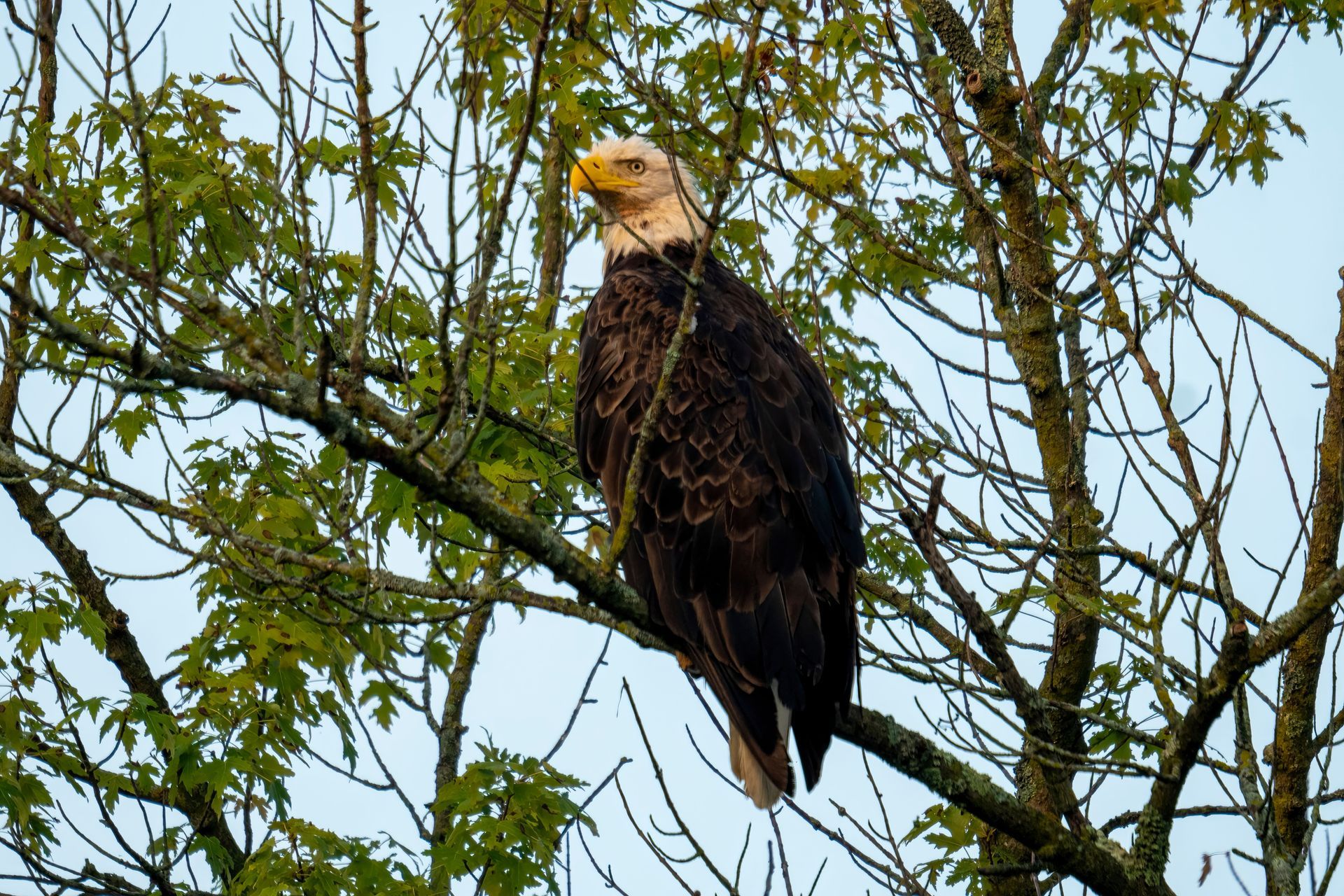
If you live near a lake, large river, or reservoir, you might not have to travel far to see a bald eagle. These impressive birds often fly over neighborhoods looking for fish, squirrels, rabbits, or even roadkill to eat. They also perch in tall trees along neighborhood trails, parks, and backyards near the water.
Seeing a bald eagle soaring overhead is a sign that your local ecosystem is healthy! Bald eagles help by keeping fish and small animals at a good level. They also clean up dead animals that other predators leave behind.
Who Are Their Neighbors?
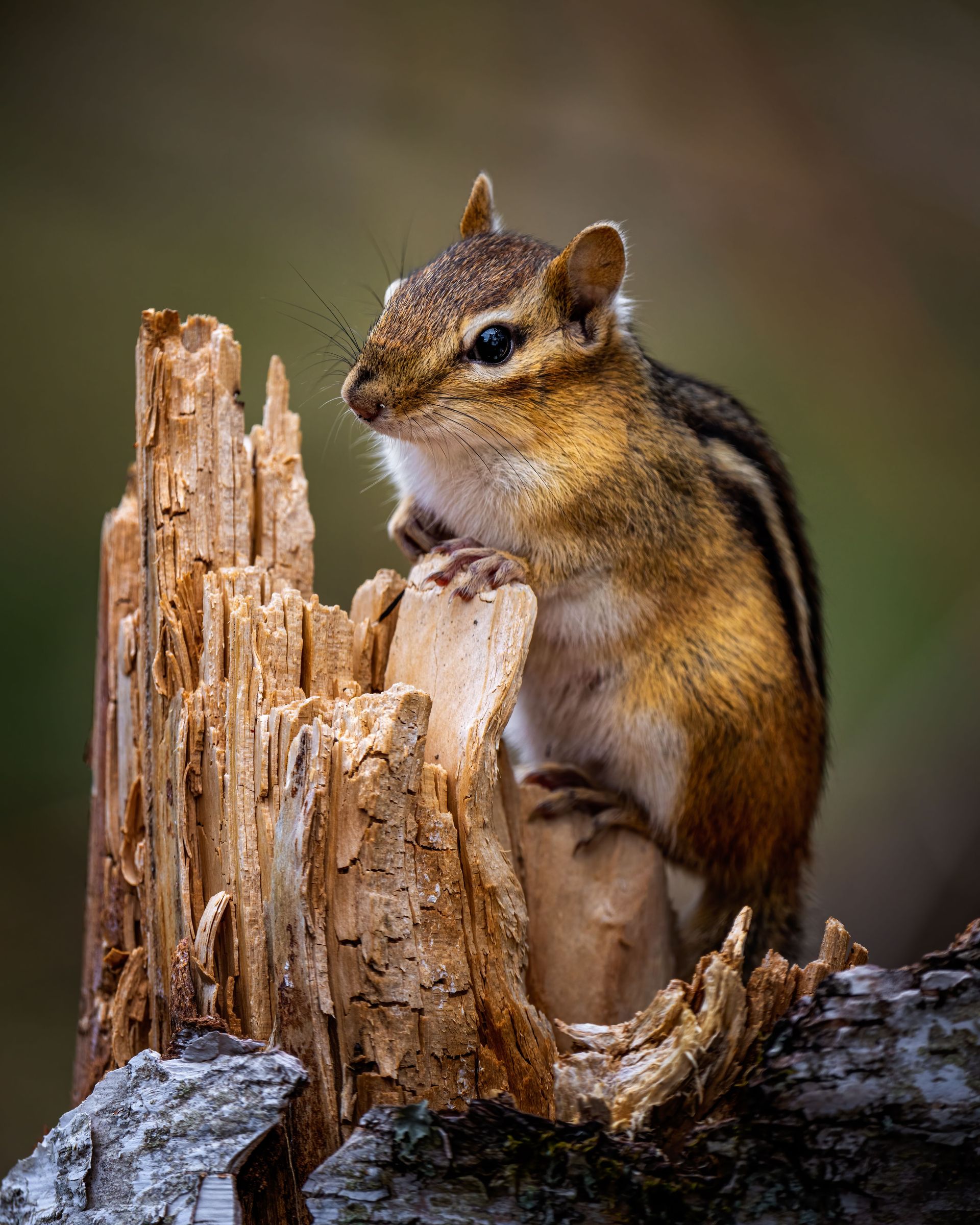
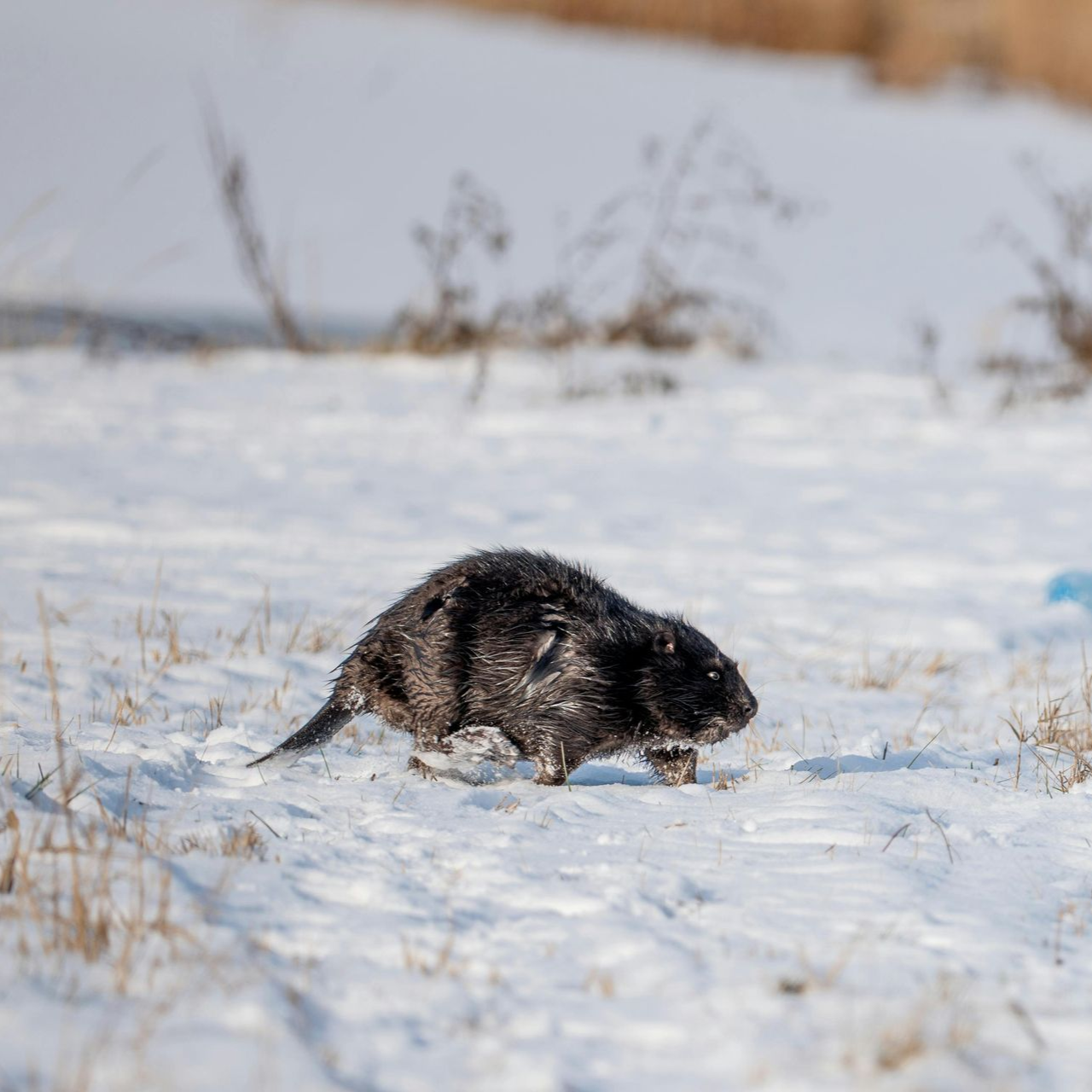
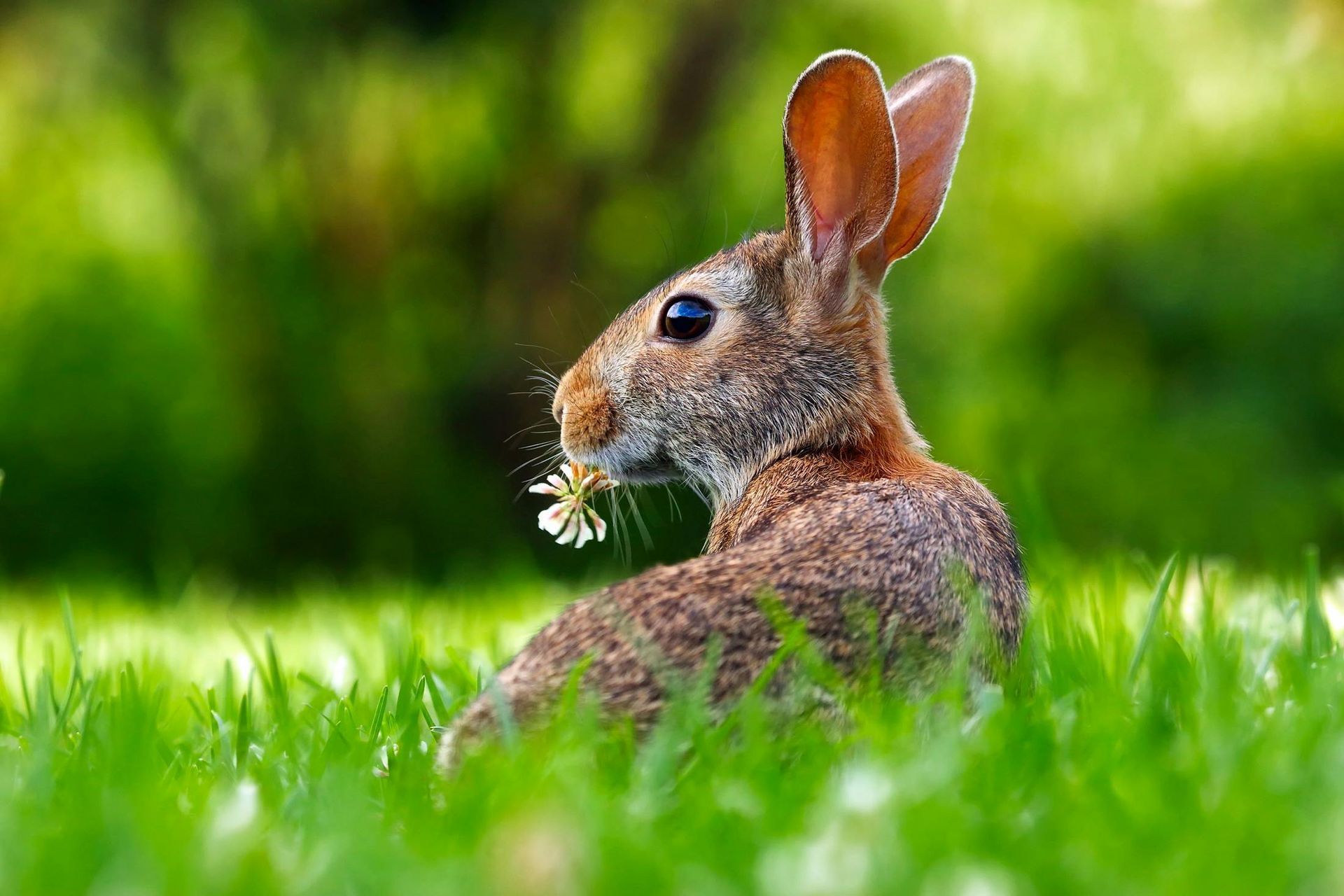
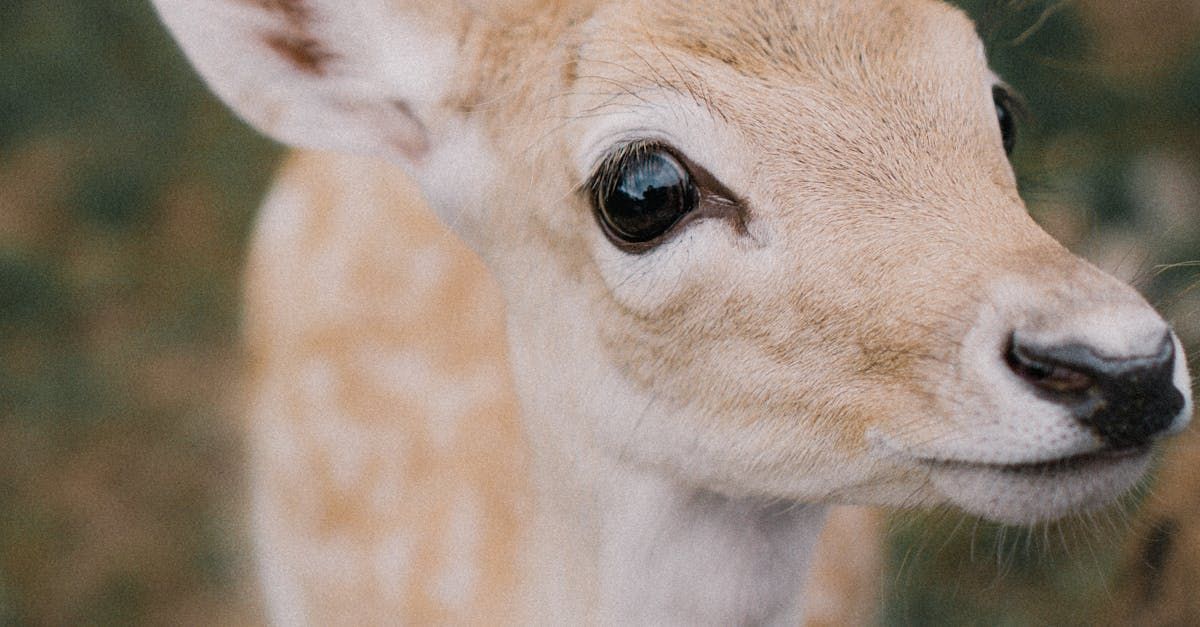
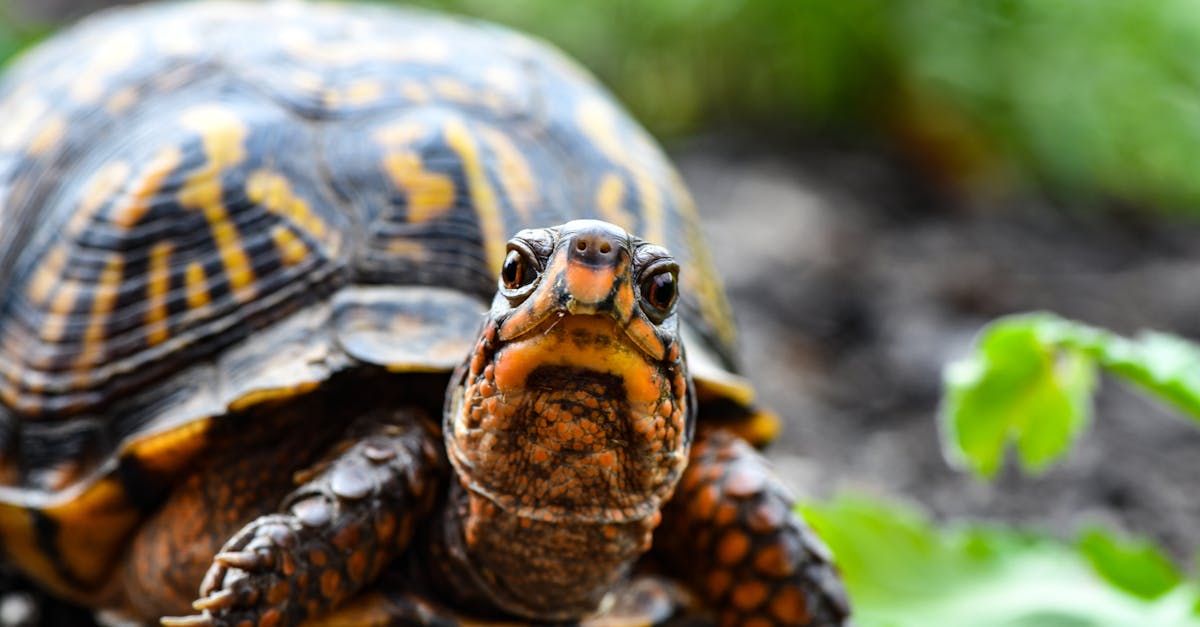
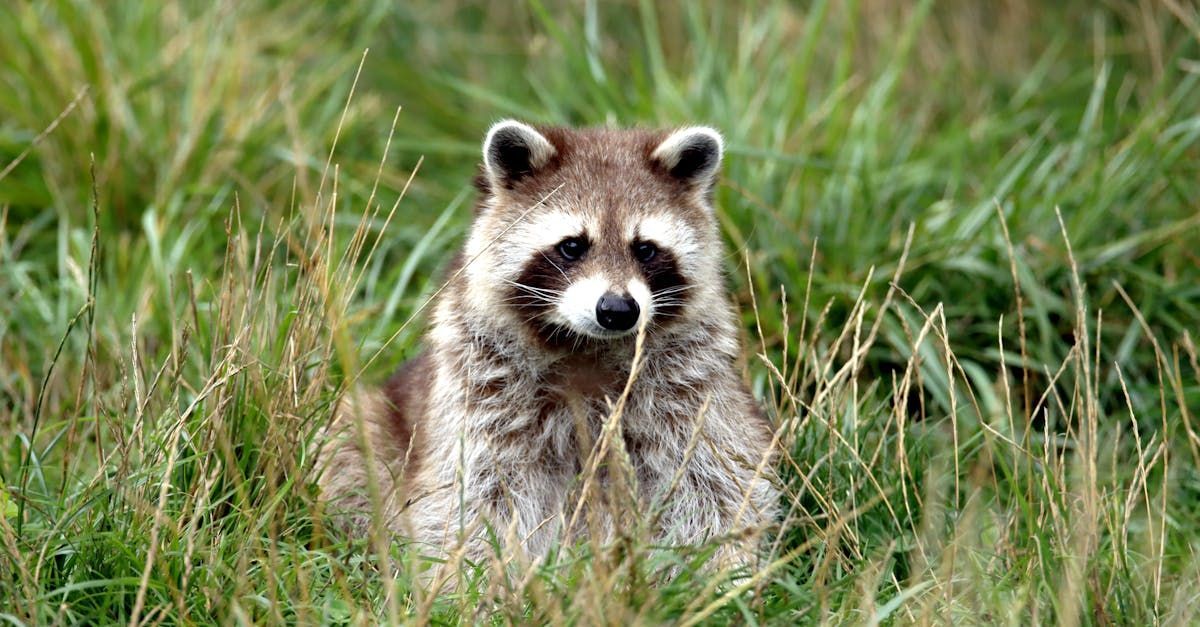
Bald eagles share lakes, rivers, and neighborhoods with many other animals. You may also see ospreys diving for fish, great blue herons standing in the shallows, turtles, beavers, deer, squirrel, and rabbit. All of these animals are part of the same ecosystem, and each one helps keep nature in balance.
Nature Tip: The next time you're walking near a lake or river, don't forget to look up! Bald eagles often soar high overhead or sit quietly in the tallest trees, watching for their next meal.
Eagle Themed Family Activities (Ages 3+)
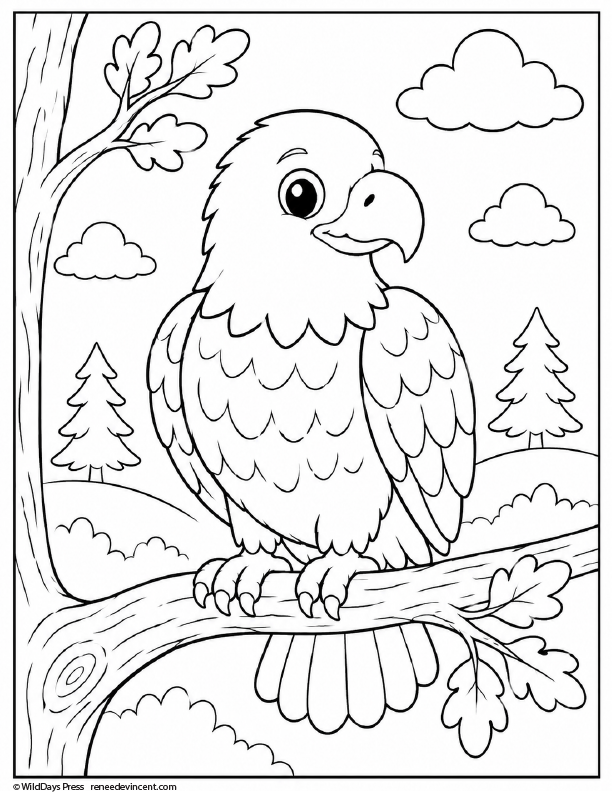
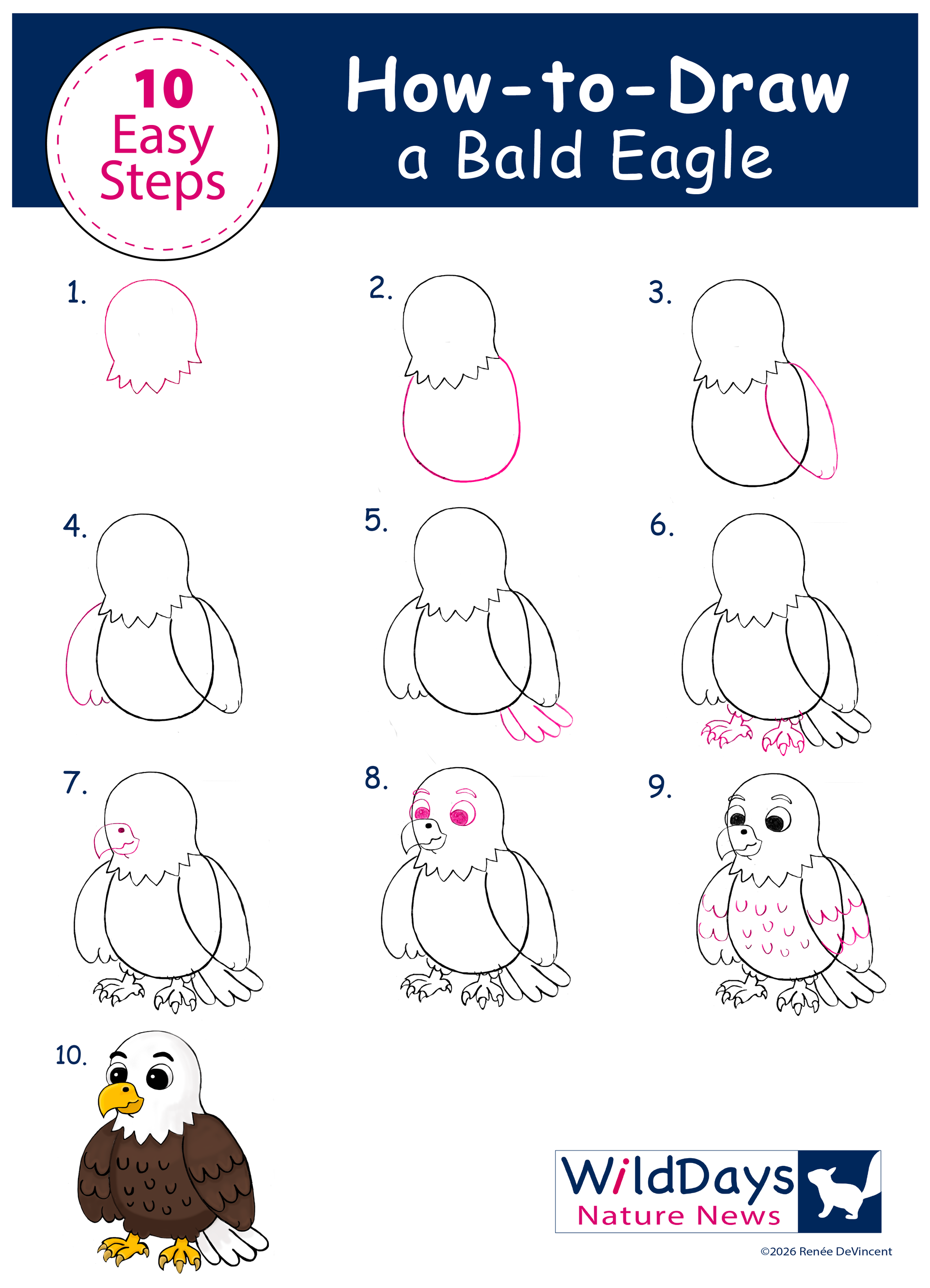
Bald Eagle Spotting Adventure
Ready to become a junior wildlife explorer? Grab an adult, a pair of binoculars, and head to a local lake, river, or nature trail!
What You'll Need
- Binoculars (if you have them)
- A notebook or nature journal
- A pencil or crayons
- A camera (optional)
As you explore, see if you can find:
☐ A large bird soaring high in the sky
☐ A bird with a bright white head and tail
☐ A huge stick nest high in a tall tree
☐ Three other animals that share the eagle's habitat
Eagle Watching Tips
- Stay on marked trails.
- Watch quietly so you don't scare wildlife.
- Use binoculars for a better view.
- Not every large bird is a bald eagle. You might also spot hawks, vultures, ospreys, or herons!
Please Share!
Explore more animals in our Backyard Animals Facts for Kids collection