Chipmunk Facts for Kids
Mammals | Forest habitat
Chipmunks are tiny, striped mammals that are full of energy! They spend their days searching for food, digging tunnels, and staying safe from predators. You might spot one darting across your backyard with its cheeks stuffed full of seeds. Let's learn all about these little creatures and discover what makes them unique.

5 Short Facts About Chipmunks
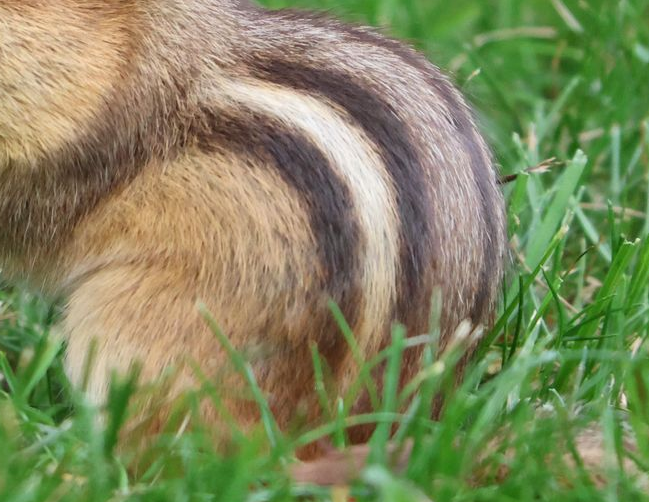
- Every chipmunk has a different pattern of stripes. They are as unique as a human's fingerprint
- Their whiskers have special touch sensors, helping them feel their way through dark tunnels
- Chipmunk babies are about the size of a bumblebee when they are born
- When digging a tunnel, a chipmunk carries the dirt away in their mouth, so their home stays hidden
- A chipmunk can carry up to a dozen acorns in its cheek pouches at one time
More About the Chipmunk

Chipmunks are members of the squirrel family and look very similar to the ground squirrel. While all chipmunks are technically ground squirrels, not all ground squirrels are chipmunks. Here are a few ways to tell the difference between a chipmunk and a ground squirrel:
- A chipmunk is smaller than a ground squirrel.
- While both ground squirrels and chipmunks have stripes running down their backs, the chipmunk's stripes have five dark bands and two light stripes that continue to the head.
- Chipmunks are a lighter brown color than the ground squirrel.
Most chipmunks grow to be about 8 to 10 inches long and weigh less than half a pound. They eat a wide variety of foods, including seeds, nuts, acorns, berries, mushrooms, fruits, insects, worms, and sometimes bird eggs.
Chipmunks are very fast and great climbers and are most active in the morning and late afternoon.
Where Do Chipmunks Live?
Chipmunks live across much of North America. They are happiest anywhere with plenty of trees, plants, and places to hide.
Most chipmunks dig underground burrows instead of living in trees.
An Amazing Underground World

Chipmunks build amazing underground homes that keep them safe, warm in the winter, and cool in the summer. Their underground homes are a complex set of tunnels that can be more than 30 feet long. That is about as long as a school bus.
Inside the burrow are different rooms for different jobs. There is a cozy room for sleeping, a pantry where they store nuts and seeds, and special side tunnels that help keep the burrow organized.
Chipmunks also make hidden exits in case they need to escape from a predator. They even carry dirt away from the entrance so their tunnel is harder for animals to find.
Life as a Baby Chipmunk

Chipmunks live alone. The only time you will find more than one in a home is when a female is raising her babies. A typical litter size is between two and six babies. Like squirrels, baby chipmunks are called kits or pups. When they are born, they are tiny, pink, blind, and completely helpless. They stay deep inside their mother's burrow, where she keeps them warm and safe.
After about a month, the babies grow soft fur and open their eyes. Soon they begin exploring the tunnels. By the time they are about two months old, they are ready to leave home and start lives of their own. Young chipmunks must quickly learn how to find food and avoid predators like hawks, owls, foxes, snakes, and cats.
Chipmunks in Your Backyard

The Eastern Chipmunk is the kind of chipmunk most people see in their backyard. The Eastern Chipmunk is found in the Eastern United States and Canada. In the Western United States, there are more than 20 other kinds of chipmunks! Some common types of chipmunks you will find in the wild instead of a backyard are the Least Chipmunk, Yellow-pine Chipmunk, Lodgepole Chipmunk, Townsend's Chipmunk, and Cliff Chipmunk. They live in mountains, forests, deserts, and canyons.
Here are a few ways they help around the yard:
- As they bury seeds and nuts for later, they sometimes forget where they hid them. Those forgotten seeds can grow into new trees, plants, and flowers
- Chipmunks also eat insects, helping keep pesky bugs under control
- They are fun to watch and a good way to enjoy nature
If you would like to see chipmunks in your backyard, you can:
- Leave a few brush piles or fallen logs for hiding places
- Plant native trees and shrubs that produce nuts or berries
- Provide fresh water in a shallow dish or birdbath
Remember, chipmunks are wild animals. It's best not to feed them by hand or try to catch them. Giving them space helps them stay healthy and safe.
If you don't want chipmunks digging in certain places, cover flower bulbs with wire mesh underground and keep birdseed from piling up on the ground.
Who Are Their Neighbors?
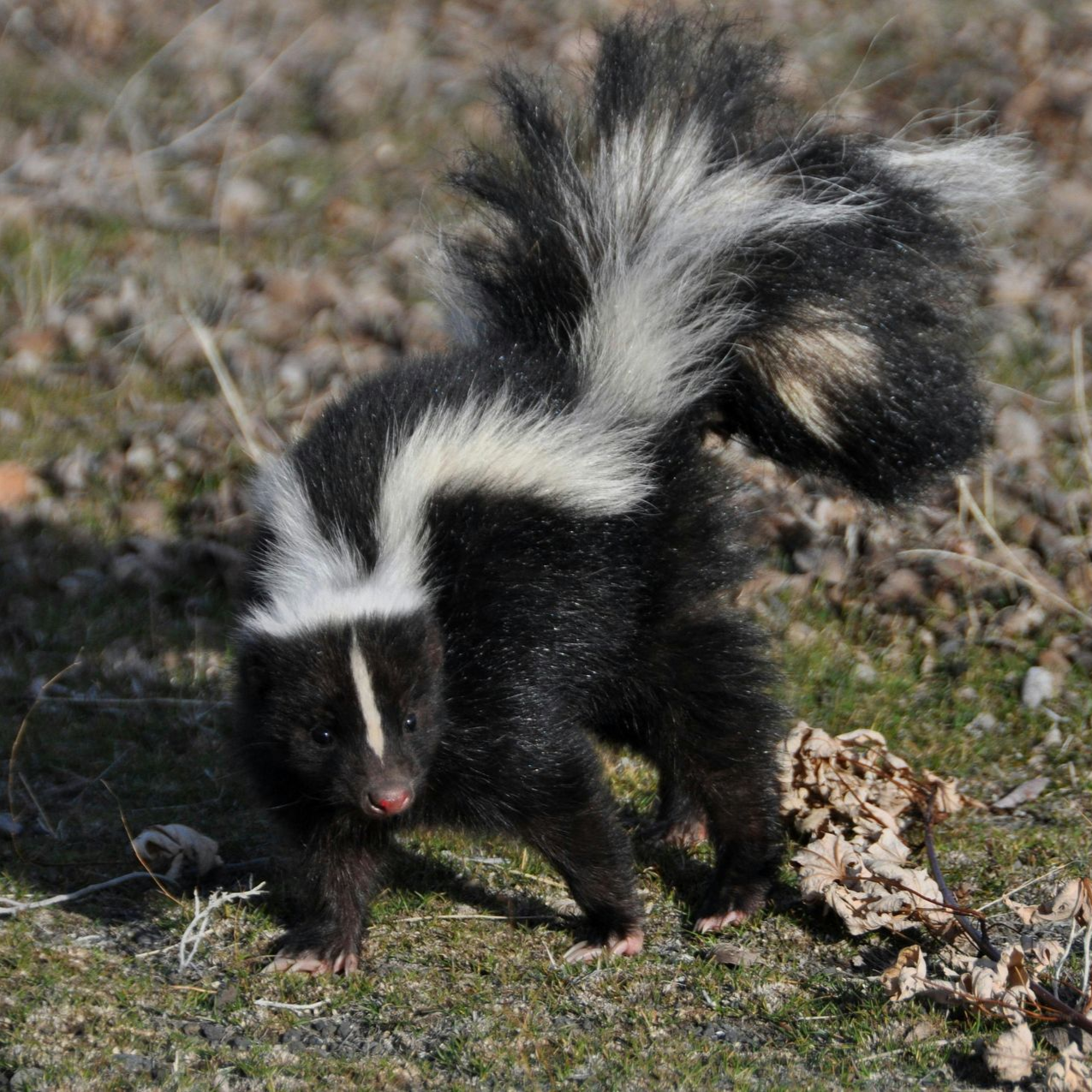
Chipmunks share their area with many other amazing backyard animals. If you look closely, you might spot some of their neighbors nearby. Learn more about some of their neighbors, such as
squirrels,
skunks, and
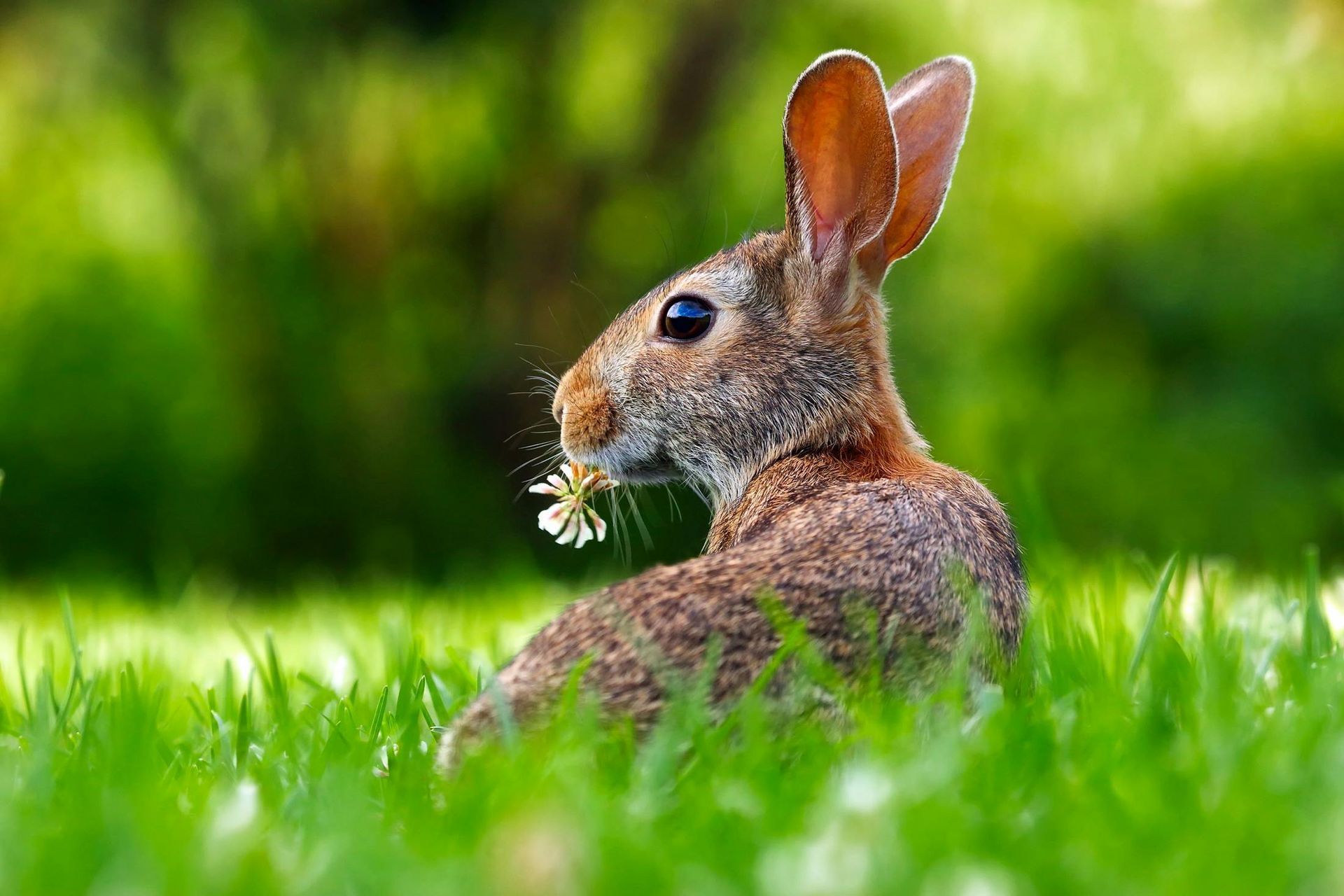
rabbits. All of these animals are part of the same ecosystem, and each one helps keep nature in balance.
Chipmunk Themed Family Activities (Ages 3+)
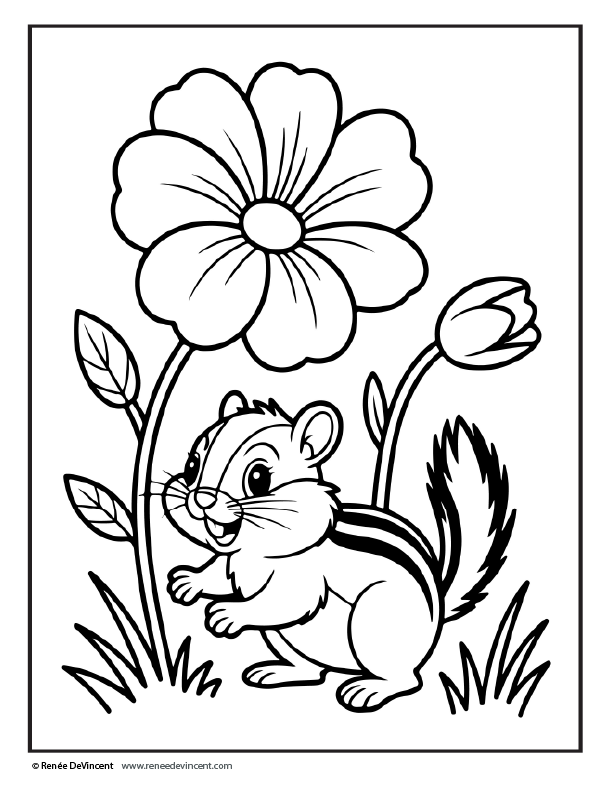
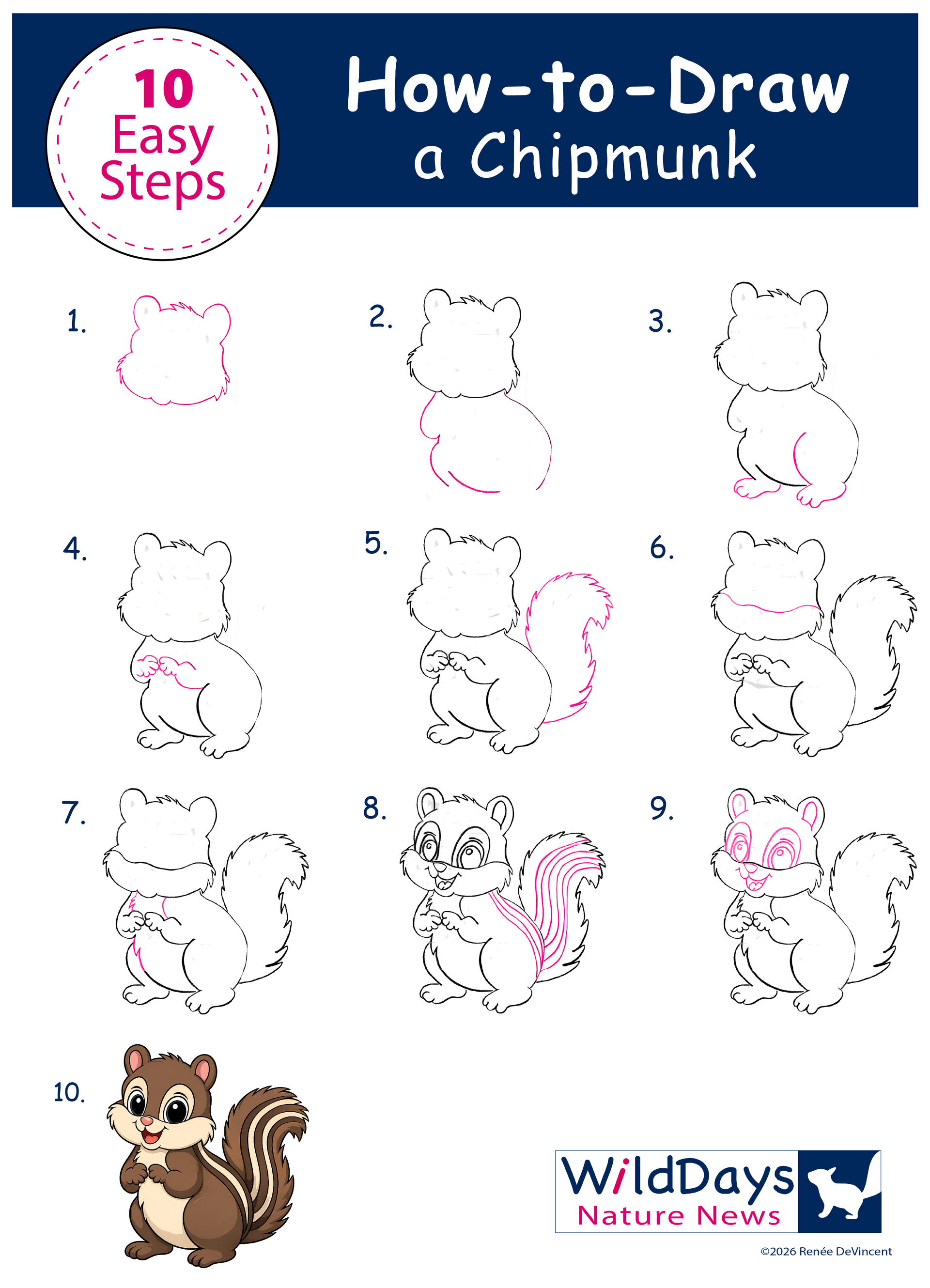
Outdoor Activity: The Pattern Hunt
Chipmunks have beautiful stripes, but nature is full of other patterns, too! Go outside and see how many patterns you can find. Look for stripes, spots, zigzags, circles, or swirls on plants, rocks, insects, feathers, or tree bark. Which pattern is your favorite?
Continue the Woodland Adventure!
If your child enjoys learning about chipmunks, they'll also love meeting Twiggy, a curious squirrel. Twiggy and the Lost Socks.
Please Share!
Explore more animals in our Backyard Animals Facts for Kids collection