Woolly Bear Caterpillar Facts for Kids
Insects | Backyard
Have you ever heard of a woolly bear? Woolly bears are fuzzy caterpillars that are often more noticeable in the fall, when they are on the move looking for a safe place to spend the winter. Woolly bears even have a famous bit of folklore attached to them that says they can predict the harshness of winter. But there is much more to these little caterpillars than their supposed forecasting abilities. They can survive freezing temperatures, spend months tucked away under leaves, and eventually transform into moths that look almost nothing like the fuzzy caterpillars they once were.

5 Short Facts About Woolly Bear Caterpillars
- Woolly bears have very poor eyesight and rely on touch to explore their surroundings.
- They have been known to play dead when they feel threatened.
- A woolly bear caterpillar has tiny hooks on its feet that work like Velcro.
- Woolly bears don’t have lungs. They breathe through tiny openings along their sides.
- Woolly bears can sense vibrations, so they may notice you before you touch them.
More About Woolly Bear Caterpillars

Where do They Live?
Woolly bears are found throughout much of North America, from southern Canada through the United States and into Mexico. They are adaptable caterpillars and can turn up in fields, meadows, gardens, roadsides, woodland edges, parks, and backyards. They are often associated with places where plenty of low-growing plants are available for food. During much of their caterpillar life, woolly bears are relatively easy to overlook. Fall is when people tend to notice them most. At this time of year, they can often be seen crawling quickly across sidewalks, driveways, trails, and roads searching for a protected place to spend the winter. A woolly bear may tuck itself beneath fallen leaves, loose bark, logs, rocks, or other natural debris.
What do They Eat?
A woolly bear does most of its eating while it is a caterpillar. Depending on the species, woolly bears munch on grasses, clover, dandelions, plantain, and the leaves of other plants, shrubs, and trees. All that eating helps them grow and store energy for the changes ahead.
Once they become moths, their diet changes. Some adult moths drink nectar from flowers, while others eat very little or may not feed at all until they lay eggs for the next generation.
Are They Safe to Touch?
That fuzzy “fur” isn’t really fur. It is made up of tiny hairs called
setae. The familiar banded woolly bear does not have venomous stinging hairs, but its bristles can irritate sensitive skin. And because some other fuzzy caterpillars
can sting or cause a painful reaction, it’s best to look rather than touch.
Fuzzy Caterpillar to Beautiful Moth
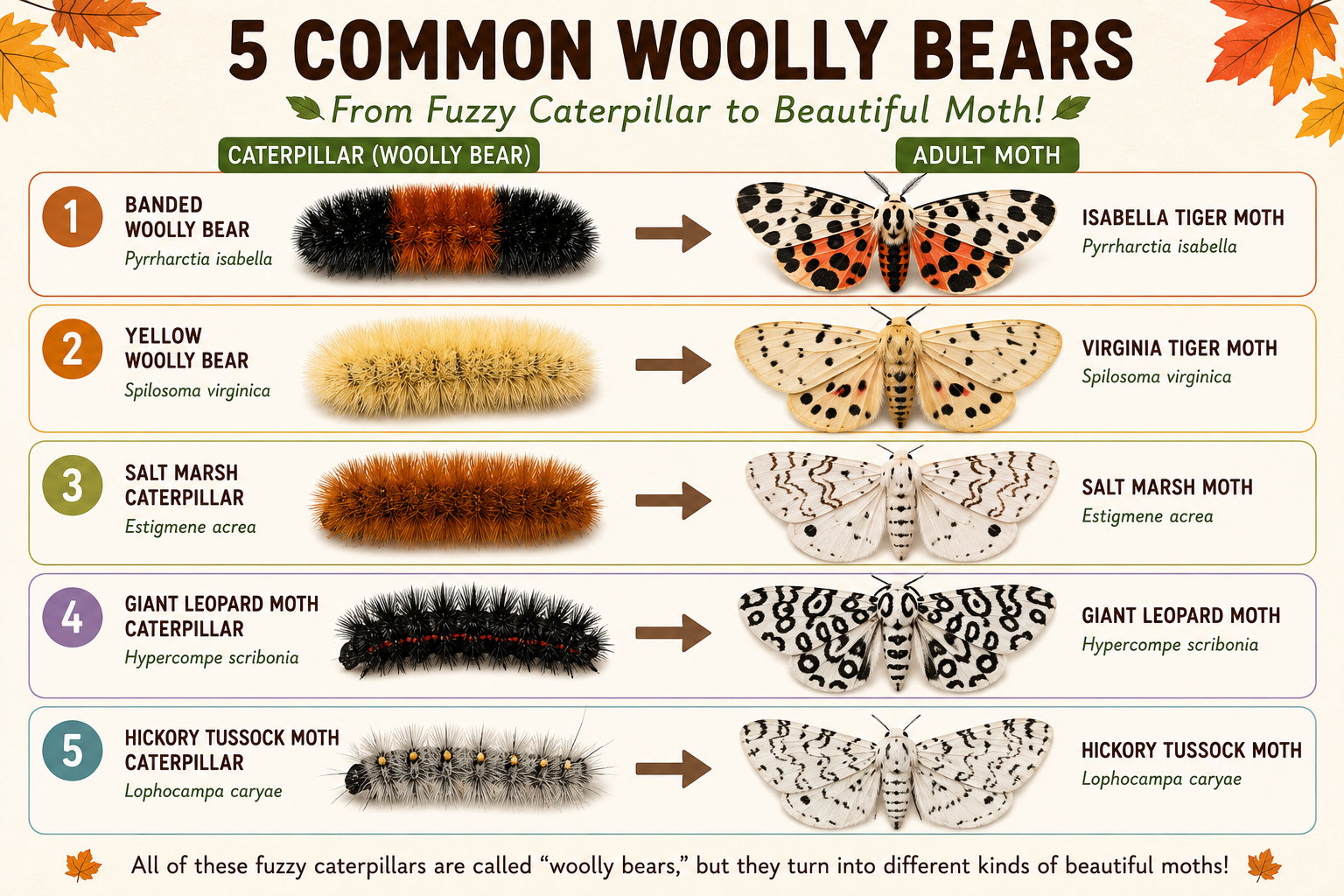
Metamorphosis
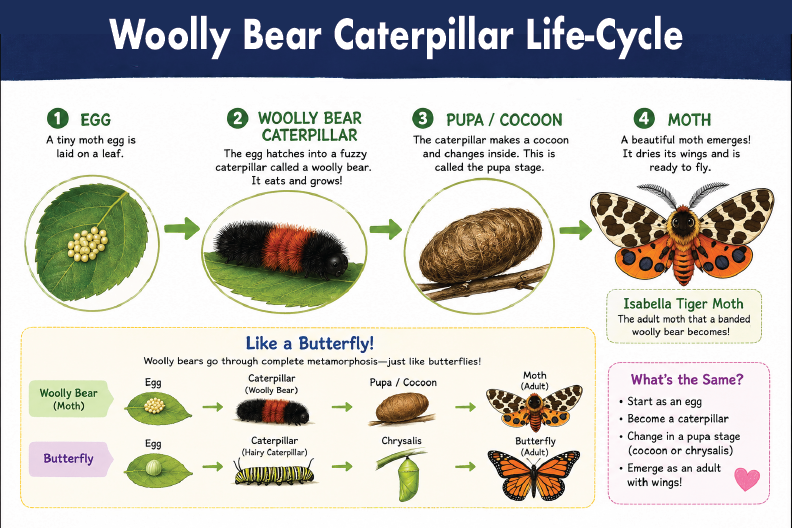
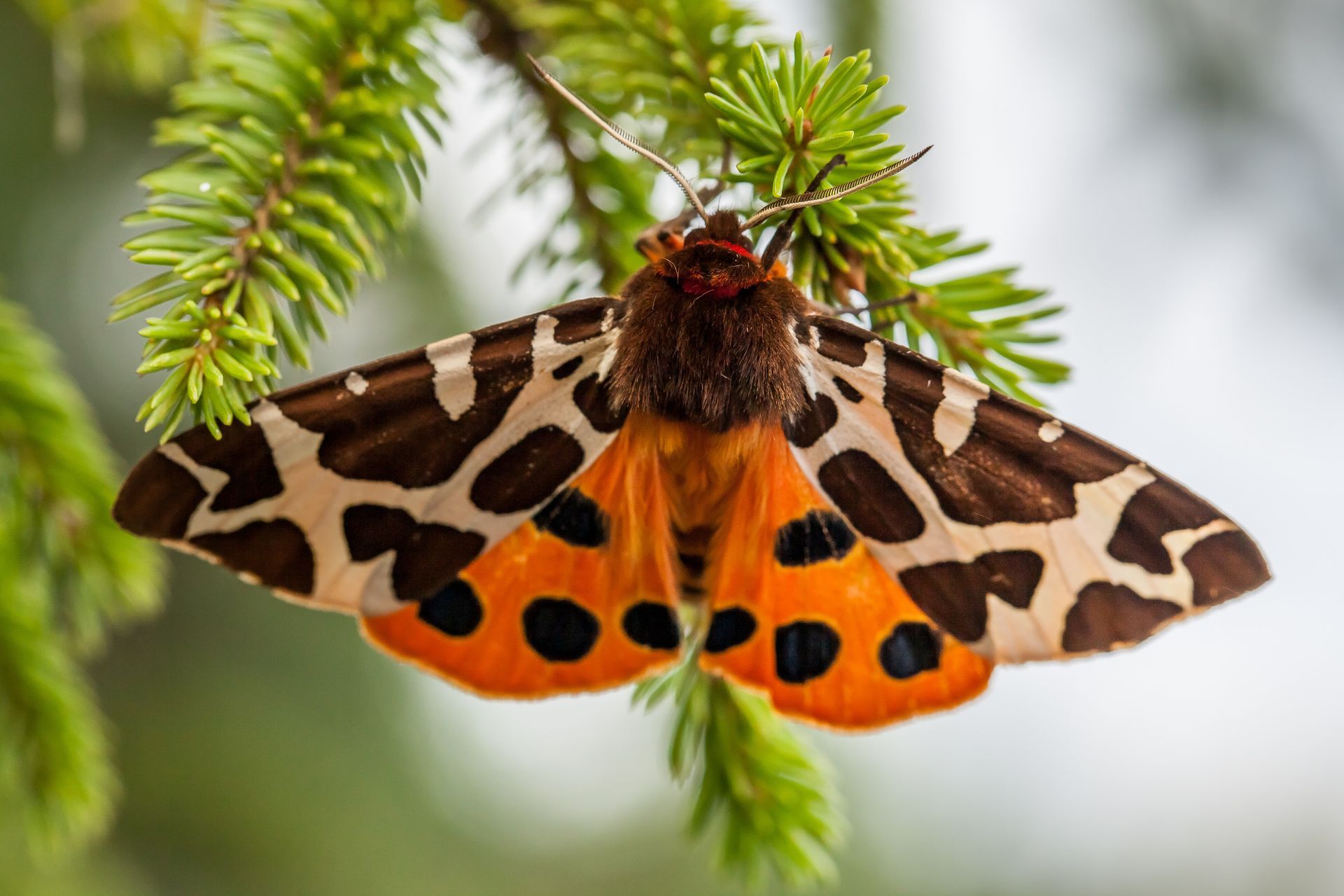
It takes 1-3 weeks for a woolly bear to become a moth. Just like a butterfly, a woolly bear goes through a complete transformation called metamorphosis. It begins as a tiny egg, hatches into a caterpillar, forms a pupa inside a cocoon, and finally emerges as a moth instead of a butterfly
Woolly Bears in Our Backyard
You don’t need to go far to find a woolly bear. These fuzzy caterpillars can turn up in gardens, lawns, meadows, along fences, and even crossing sidewalks and driveways. Fall is a particularly good time to look, when some woolly bears are on the move searching for a protected place to spend the winter. If you find one, the best thing to do is leave it where it is. You can watch it, take a photo, and see where it goes.
Want to make your yard more woolly-bear friendly? Grow a variety of native plants and grasses, avoid unnecessary pesticides. In the fall, leave some fallen leaves, stems, logs, and other hiding places. This give gives caterpillars and many other insects places to shelter and overwinter.
Woolly bears are also part of the backyard food web, and those that survive eventually become moths. So after spotting a woolly bear, keep watching to see the grown-up moth version.
Who Are Their Neighbors?
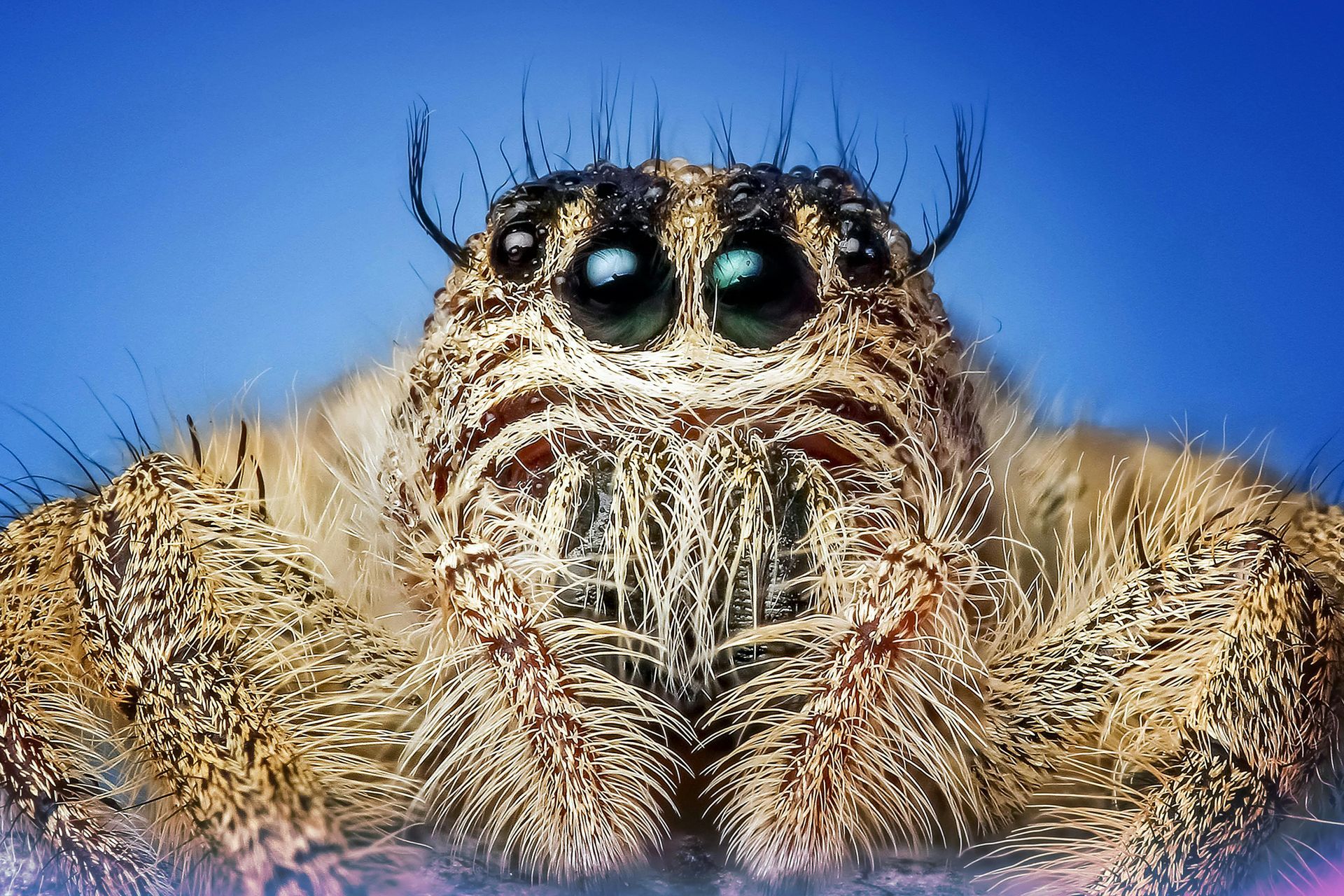
Woolly bear caterpillars share the backyard with all kinds of other interesting creatures. Look among the leaves, flowers, and garden plants and you might find
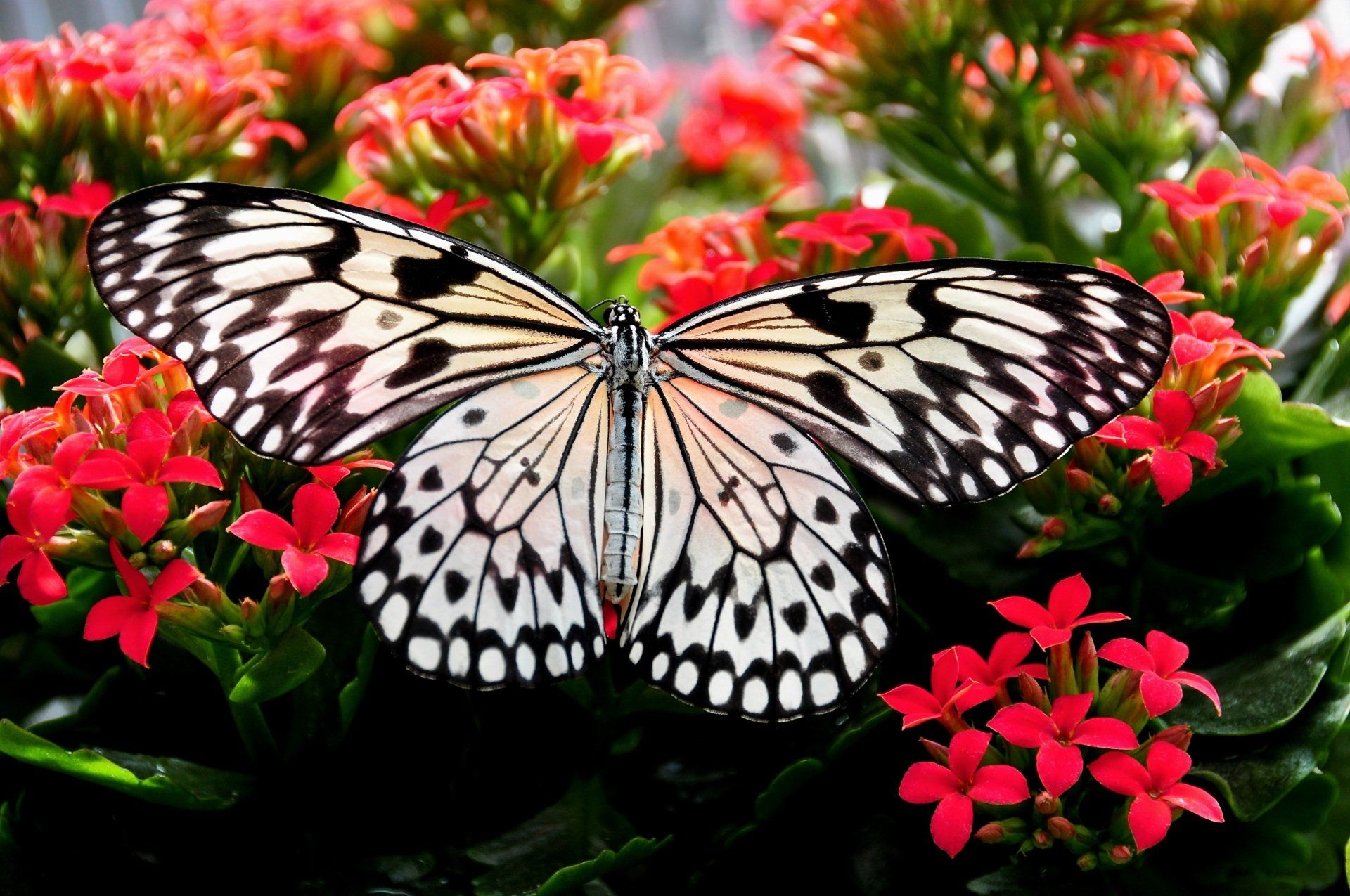
butterflies,
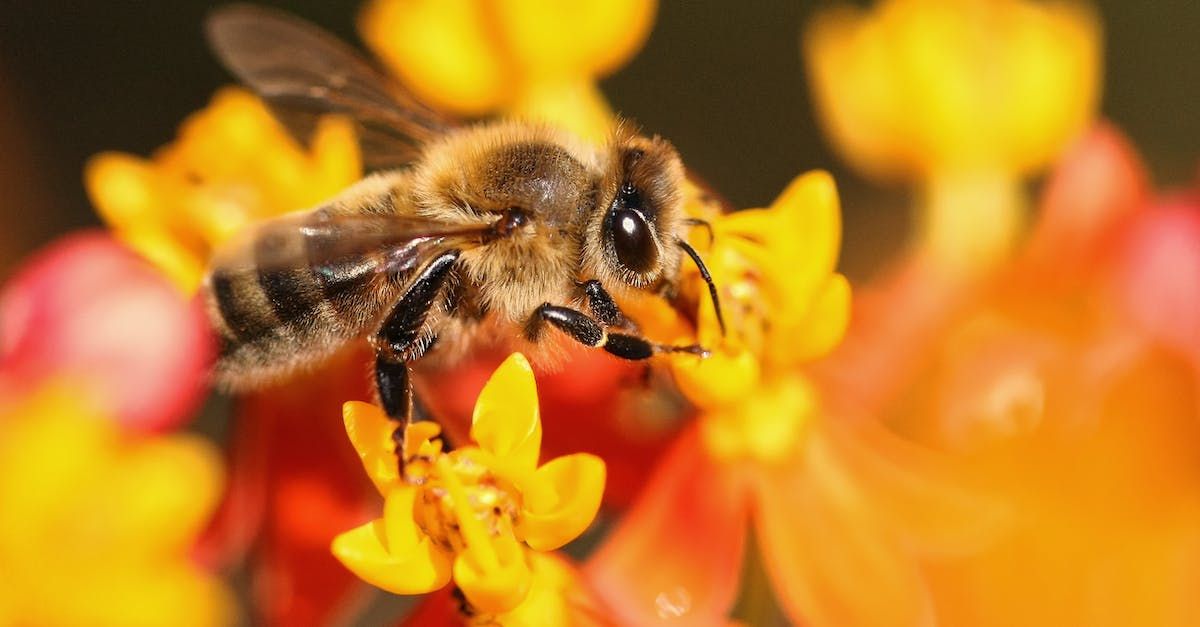
bees,
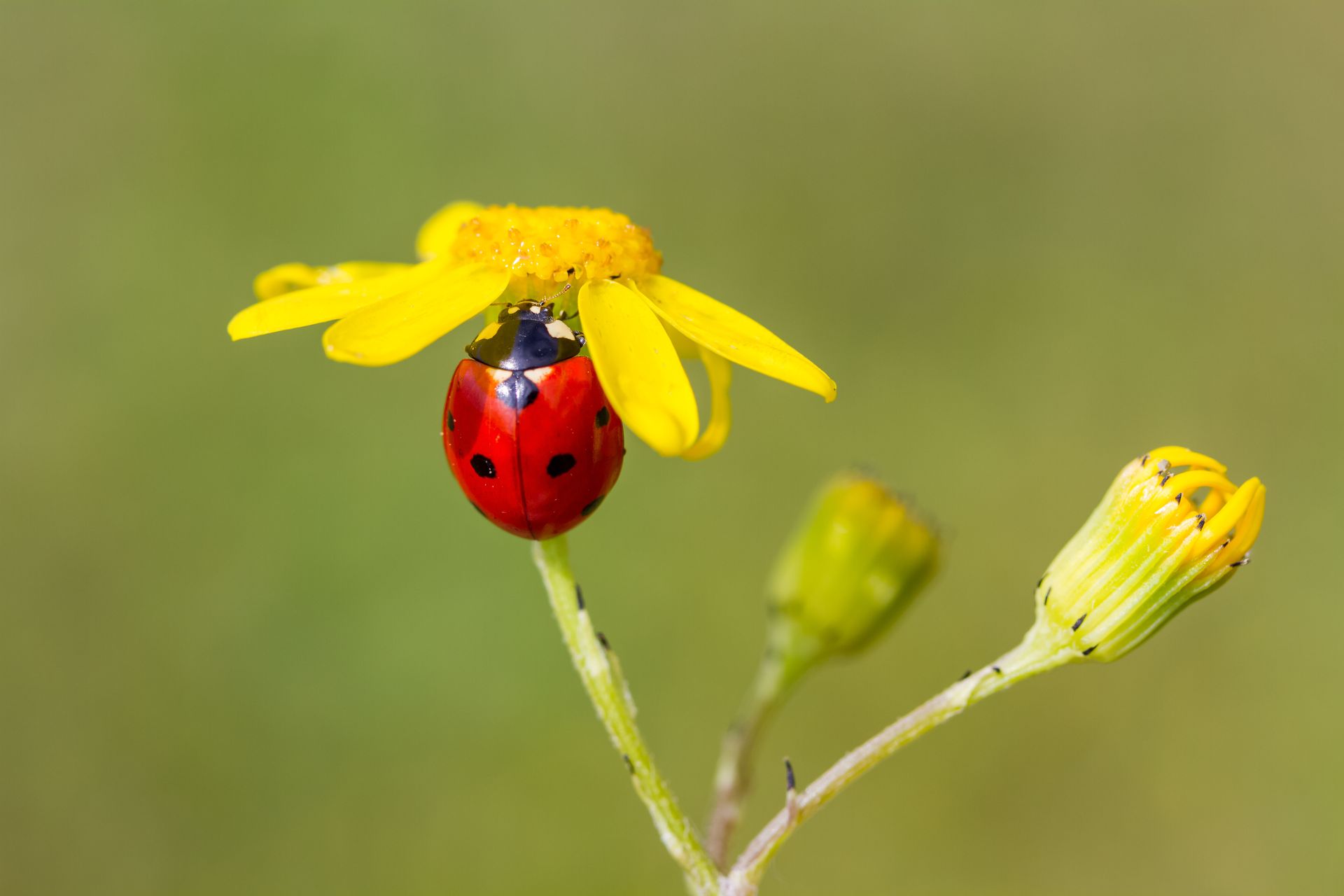
ladybugs,
and
spiders living nearby.
Woolly Bear Themed Family Activities (Ages 3+)
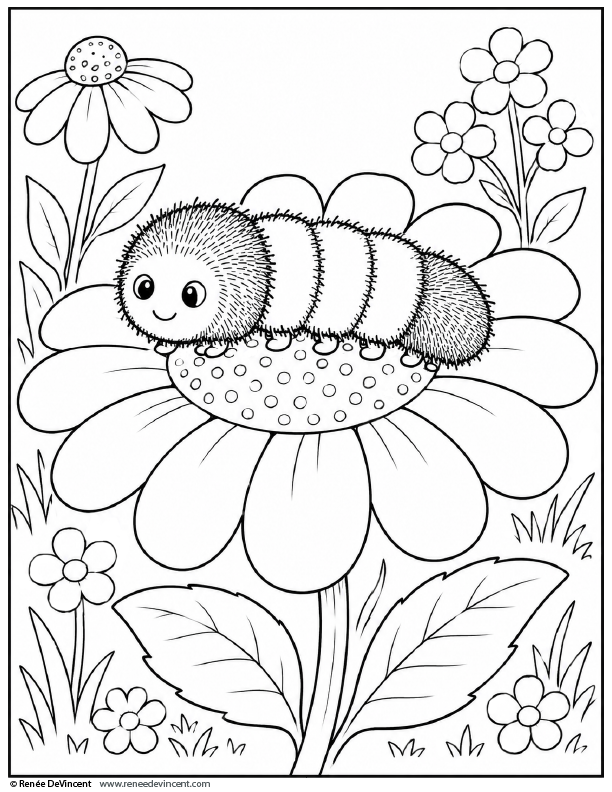
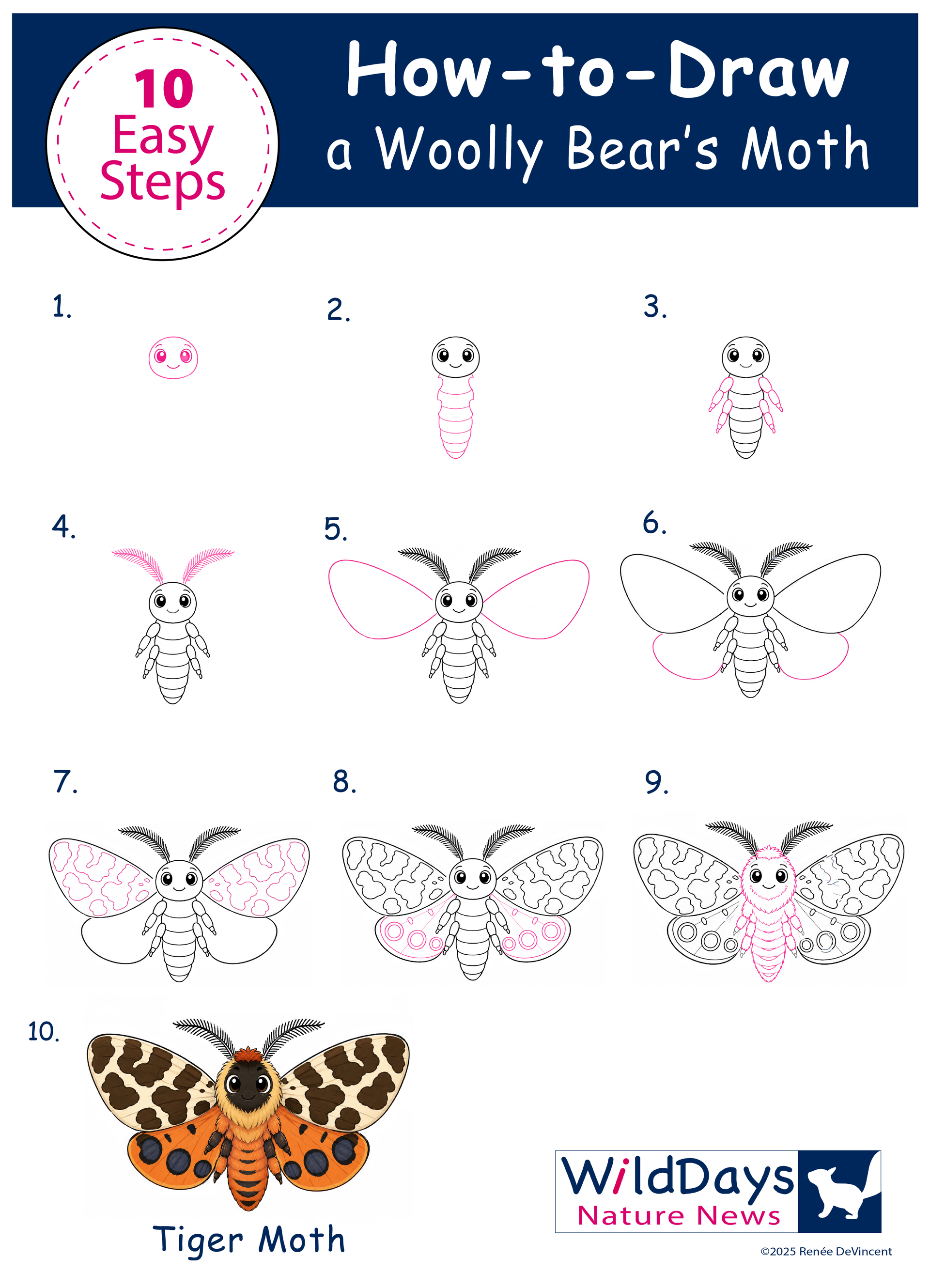
Outdoor Activity: A Woolly Bear Hunt!
Head outside and see if you can spot a woolly bear! Look along sidewalks, garden edges, grassy areas, and among fallen leaves. If you find one, watch where it goes, notice its colors, and take a picture.
Woolly bears are just one of the amazing little creatures sharing our backyards. Keep looking under leaves, around flowers, and along garden paths—you never know what tiny neighbor you might discover next!
Article Sources:
Please Share!
Explore more animals in our Backyard Animals Facts for Kids collection